
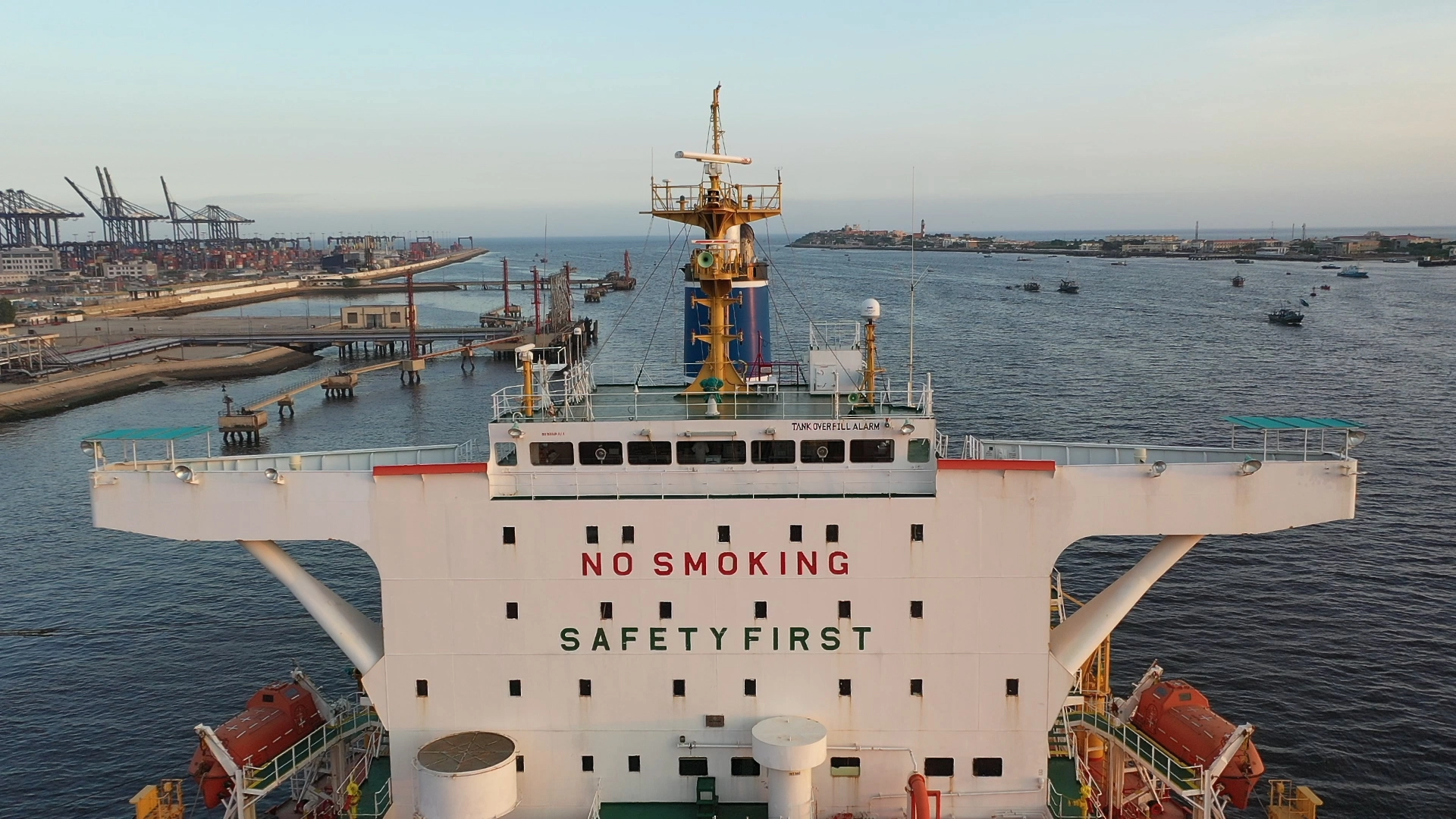
Pakistan’s national shipping sector has undergone a sharp decline over the past four decades, with the Pakistan National Shipping Corporation (PNSC) shrinking from a peak fleet of 45 vessels in the early 1980s to just 13 aging ships today, raising concerns over governance, competitiveness, and the country’s growing dependence on foreign carriers for maritime trade.
Historical Context
-
From 3 merchant vessels in 1947, realising the strategic vulnerability, Pakistan undertook a gradual development of its national shipping fleet, which by the 1960s rose to 41 ships.
-
In 1979, Pakistan National Shipping Corporation (PNSC) operated around 20 ships.
-
In 1982, the corporation reached a peak of 45 vessels, including oil tankers, bulk carriers, and general cargo ships.
-
This enabled Pakistan not only to transport critical imports and exports but also to generate profits and contribute dividends to the national exchequer.
Present Status of PNSC
-
Today, the trajectory has reversed sharply. From 45 ships, PNSC now operates only 13 ships, most of which are aging (50% of the fleet is over 20 years old).
-
While the corporation technically posts a net profit in FY 2024–25, these figures mask deeper structural weaknesses.
-
Revenue has declined by about 19% year-on-year, gross profit margins have shrunk to 29.8%, and quarterly results for Q1 FY26 showed profits falling by 34% year-on-year to Rs 3.71 billion for the standalone company.
-
Much of this profitability comes from asset sales or charters rather than sustainable shipping operations.
Causes of Financial Underperformance
Besides mis-governance, political interference, and vested interests, some of the main causes are:
-
PNSC’s vessels have lagged global standards in deadweight tonnage, especially in dry bulk and container segments, limiting competitiveness and revenue potential.
-
Past charter decisions failed to assess profit margins appropriately, leading to net losses and inefficient utilization of assets.
-
Domestic shipping covers a small portion of Pakistan’s trade, with foreign carriers dominating most cargo transport. PNSC handles only around 11% of cargo volume and 4% by value; around 90% of cargo is handled by foreign carriers.
-
Structural limitations in fleet size and capacity constrain PNSC’s ability to capture greater market share.
-
Higher maintenance and repair costs, along with idle days, reduce efficiency and profit margins.
Broader Economic Implications of PNSC’s Decline
-
Reliance on foreign shipping costs the country USD 4–8 billion annually.
-
Limited national control over essential imports increases strategic vulnerability.
-
Reduced fleet activity diminishes employment opportunities for seafarers, maritime engineers, and logistics professionals.
-
The maritime ecosystem, including ship repair, training, insurance, and port-linked services, remains underdeveloped.
-
Higher freight costs reduce the competitiveness of Pakistani exports in global markets.
Regional and International Comparisons
-
India’s Shipping Corporation (SCI) operates a fleet of 57–64 ships, remaining larger and more globally integrated than PNSC.
-
Sri Lanka has about 95 ships under its flag.
-
In the 1960s, South Korea had 10–15 ships, much smaller than Pakistan’s fleet. By the 1990s, South Korea expanded to 461 registered ships, and today its fleet exceeds 2,100 vessels.
-
Indonesia, which had a modest international fleet in the 1990s, now maintains over 11,400 registered ships, the largest in the world.
A Turnaround Planned: Transfer of Management to NLC
-
Recognizing PNSC’s current challenges, the Government of Pakistan has tasked the National Logistics Cell (NLC), with its historical record of strong management skills and strategic vision, to take over PNSC’s management.
-
Under this arrangement, NLC will guide the company toward professional management and operational efficiency.
-
As part of the restructuring, 30% of PNSC’s shares would be evaluated at market rates. NLC would generate the required capital to reinvest and strengthen the fleet.
Potential Benefits from Integrating NLC with PNSC
-
This move will strengthen financial footing, attract investment, and align logistics infrastructure with maritime operations.
-
Enhanced funding through broader ownership will accelerate fleet renewal and improve asset deployment.
-
It aims to create synergies by integrating maritime and land transport competencies, reducing turnaround and idle days, and enhancing profitability.
-
Improved operational performance will translate into higher dividends and corporate tax contributions to the national exchequer.
Conclusion
-
PNSC’s story is not merely about a failing corporation but a tale of mis-governance and vested interests.
-
While other regional countries leveraged industrialization, shipbuilding, and export-focused policies to build globally competitive fleets, PNSC has contracted sharply despite favourable trade and geographic conditions.
-
With decisive reforms, professional management, and fleet modernization, Pakistan can regain control of its maritime trade, strengthen its economy, and restore its place among regional shipping powers.
Read related news here: https://thepublicpurview.com/pakistan/
For more stories and insights, visit The Green Post





 Today's E-Paper