

Pakistan International Airlines (PIA) has been sold into private hands, with the government approving a 75% stake transfer to the Arif Habib Corporation–led consortium for Rs 135 billion. Finalised in December 2025, the deal is Pakistan’s first major privatisation in nearly twenty years. While the sale gives new owners control of the flag carrier, the state has retained responsibility for almost PKR 700 billion in historic debt, a detail that has already stirred debate.
For many, the sale marks the end of an era. Pakistan International Airlines was once a symbol of national pride, established in 1955 and celebrated for its early profitability and pioneering role in Asian aviation. The airline even helped launch Emirates in 1985, lending aircraft and expertise. But years of policy missteps, rising competition from Gulf carriers, and repeated management upheavals chipped away at its dominance, leaving the carrier dependent on bailouts and setting the stage for privatisation.
PIA origins and early momentum
PIA was formally established in 1955, evolving from Orient Airways as Pakistan’s flag carrier. In the early years, PIA flew Douglas DC‑3 aircraft, later adding Boeing 707 jets and Fokker F‑27 Friendships to build domestic and regional connectivity. These additions helped Pakistan International Airlines open routes across the Middle East, Asia, and into Europe, laying the foundation for operational credibility and national prestige.
PIA early profits and international achievements
By the financial year 1963–64, PIA recorded a net profit of Rs 251.86 lakhs, its fifth consecutive profitable year—evidence of disciplined operations and growing demand. PIA also contributed beyond its own network. In 1985, the airline supported Emirates during launch with aircraft and technical assistance, a well‑known example of regional cooperation that underscores PIA’s status in the era.
PIA decline: Market shifts, policy choices, and management strain
From the 1990s onwards, PIA’s position weakened. Pakistan’s open skies approach expanded access for Gulf carriers on high‑yield routes, intensifying competition just as PIA grappled with leadership churn and aging equipment. Over time, the airline’s market share fell markedly, and by the 2010s the airline was posting persistent losses, reliant on state backing and guarantees to maintain operations.
PIA restructuring and the move to privatisation
Privatisation emerged within a broader fiscal reform agenda aimed at reducing recurring losses to the exchequer. To prepare, the government executed a HoldCo–OpCo split: legacy liabilities—estimated in the PKR 654–670 billion range—were ring‑fenced in a holding company, while the operating PIA entity retained a smaller, current liability footprint of about PKR 26–33 billion. This structure presented investors with a clearer operating platform separated from historic debt.
PIA turnaround signals ahead of the sale
Despite long‑term pressures, PIA reported signs of recovery before the auction. In 2024, the airline posted a net profit of roughly Rs 26.2 billion on revenues near Rs 204.16 billion and expenses around Rs 175 billion. In the first half of 2025, Pakistan International Airlines reported a pre‑tax profit of about Rs 11.5 billion. Supporters argued these results showed operational stabilisation; critics questioned the timing of a sale during a nascent turnaround.
PIA auction: Bidders, withdrawals, and final outcome
The government offered a 75% stake in PIA via an open bidding process in December 2025. Fauji Fertiliser Company withdrew on December 21, two days before sealed bids were due; Blue Air had exited earlier; Airblue bowed out after a first‑round offer below the reference price. Competition then narrowed to Lucky Cement and an Arif Habib Corporation–led consortium. After successive rounds, Lucky Cement stepped back, and the Arif Habib consortium secured 75% of Pakistan International Airlines’ issued share capital for Rs 135 billion (approximately $482–485 million).
PIA fleet: Then and now
At launch and early expansion, Pakistan International Airlines flew DC‑3s, added Boeing 707s as early jets, and fielded Fokker F‑27s for short‑haul connectivity. Just before privatisation, the national airline operated roughly 32 aircraft, mainly Airbus A320 family jets and ATR 42/72 turboprops, with an average fleet age in the 17–18 year range. The fleet snapshot highlights a need for renewal to compete on longer routes and improve reliability.
PIA politics, public debate, and what comes next
Political debate accompanied the privatisation. Some provincial voices warned that ring‑fenced liabilities near PKR 700 billion remain with the state, while proceeds are limited relative to historic debt. Supporters countered that private capital, governance discipline, and regulatory compliance are essential for restoring competitiveness and reopening high‑yield international routes. The immediate focus for the new owners will be safety and audit standards, network optimisation, cost control, and a measured fleet refresh.
PIA outlook after privatisation
Pakistan International Airlines’ future now hinges on execution: aligning fleet strategy with profitable corridors, improving customer experience, and rebuilding credibility through compliance and punctuality. With debt ring‑fenced and a clearer operating canvas, the airline has an opportunity to translate brand recognition and crew capability into sustainable results. Success will require steady management, transparent metrics, and patient investment.
Read related news here: https://thepublicpurview.com/business/
For more stories and insights, visit The Green Post
Sources: Aero News Journal, DAWN News, The Standard Pakistan, History of PIA archives, Orient Airways Wikipedia, The News Today Pakistan, DAWN Archives 1964–65, Gulf News, Aviation Analysis, Aviation A2Z, The Express Tribune, Profit by Pakistan Today, Pakistan State Time
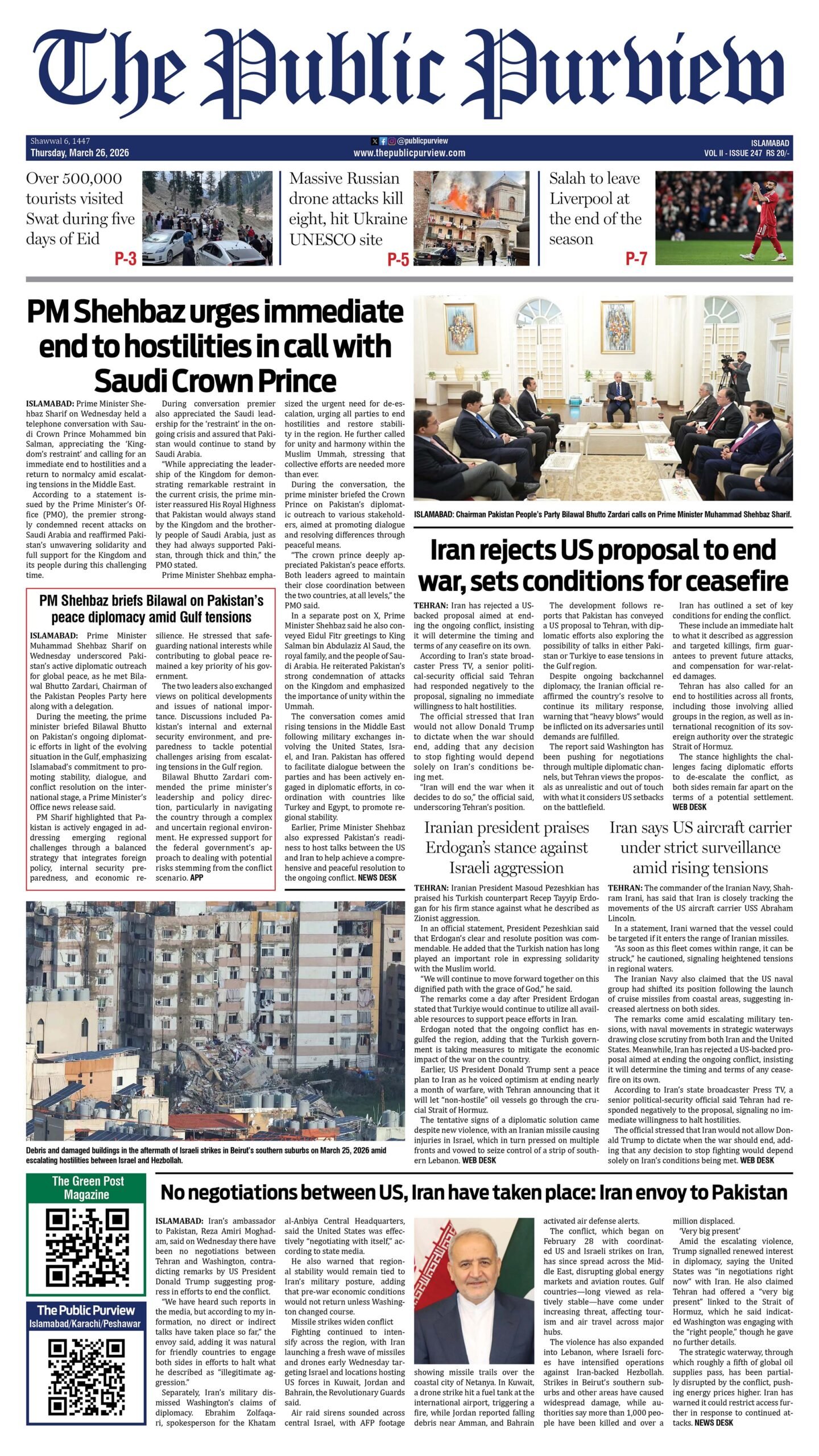 Today's E-Paper