
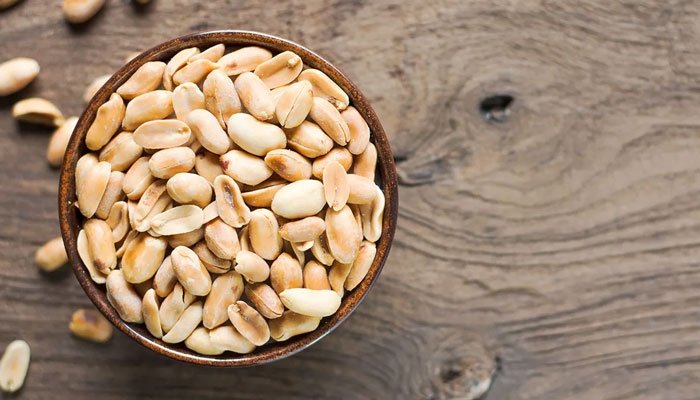
Peanuts may offer more than an affordable and tasty snack. A study suggests that regular peanut consumption could be associated with a lower risk of developing type 2 diabetes.
According to research published in the American Journal of Clinical Nutrition, peanut consumption was linked to changes in blood lipid markers that may be relevant to metabolic health.
Study Examines Peanuts and Blood Markers
In the clinical trial, researchers enrolled 63 healthy adults aged 18 to 33 and divided them into three groups.
One group consumed 25 grams of peanuts daily for six months.
Another consumed 32 grams, or approximately two tablespoons, of peanut butter daily.
The third consumed 32 grams of a peanut-oil-based spread.
Researchers collected blood samples at the beginning of the trial and again after six months. They reported changes of up to 51% in a measure related to blood fats during the study period.
The researchers also analysed data from more than 27,000 people aged 35 to 65, whose health information had been collected since the 1990s. By comparing blood markers associated with peanut consumption against samples from people who developed diabetes, they found an association suggesting that peanut consumption could be linked to a lower risk of type 2 diabetes.
Researchers Report an 11% Lower Risk
The analysis suggested that peanut consumption was associated with an 11% lower risk of type 2 diabetes. The association reportedly remained after researchers accounted for factors including smoking, blood pressure, physical activity and medication use.
However, the researchers cautioned that the clinical trial involved a relatively small number of participants and that further studies are needed to confirm the findings.
The results should not be interpreted as proof that eating peanuts directly prevents diabetes.
How to Include Peanuts in a Balanced Diet
Peanuts contain protein, unsaturated fats and dietary fibre, making them a nutritious option for many people.
For a balanced diet, consider:
Choosing plain or unsalted peanuts more often than heavily salted varieties.
Keeping portions moderate, as peanuts are calorie-dense.
Using peanuts as part of a varied diet that includes vegetables, whole fruits, whole grains and other nutritious foods.
People with peanut allergies should avoid them.
The takeaway: Peanuts can be part of a healthy diet, and emerging research suggests potential metabolic benefits. However, no single food can guarantee protection against type 2 diabetes.