
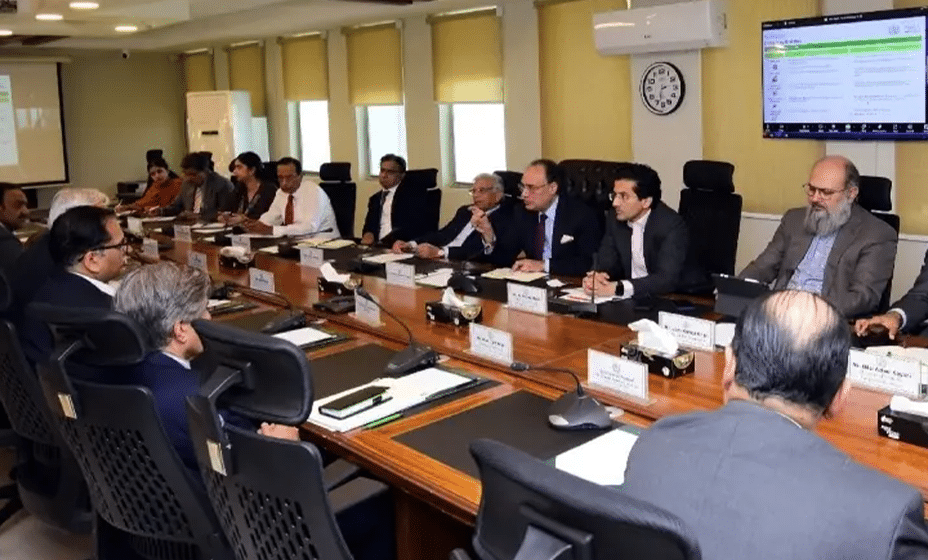
ISLAMABAD — The federal government is considering introducing work-from-home and remote studies across Pakistan as part of fuel conservation measures amid concerns over possible oil supply disruptions linked to the ongoing Middle East conflict.
Officials said the proposal was discussed during a meeting of a cabinet committee monitoring petroleum prices, which finalized a national action plan in consultation with provincial authorities. The plan will be submitted to Prime Minister Shehbaz Sharif before being forwarded to the Economic Coordination Committee (ECC) for formal approval.
The committee also approved in principle the introduction of weekly petroleum price revisions starting March 8 as authorities assess the impact of volatility in global oil markets.
Officials reviewed the country’s petroleum reserves during the meeting and confirmed that current stock levels remain sufficient. However, they noted that the global energy situation remains uncertain due to geopolitical tensions and potential disruptions in shipping routes.
The committee examined international oil market trends, shipping risks, and rising transportation costs. It emphasized the need for diversified supply sources, alternative shipping routes, and improved logistics to maintain stable fuel availability in Pakistan.
Contingency measures under review
Authorities are considering contingency steps similar to those adopted during the COVID-19 pandemic. These include promoting carpooling, remote work, and online learning to reduce fuel consumption and limit pressure on foreign exchange reserves.
Also Read: Pakistan has sufficient fuel stocks despite global tensions, finance minister tells Senate panel
The government is also coordinating with provincial administrations and regulatory bodies to prevent hoarding, illegal fuel storage, smuggling, and disruptions in distribution.
Energy supply monitoring
The meeting also reviewed supply chains for liquefied petroleum gas (LPG) and liquefied natural gas (LNG). Officials discussed strategies to manage energy demand more efficiently while ensuring priority sectors continue to receive uninterrupted supplies.
The proposed measures form part of a broader effort to safeguard Pakistan’s energy security as global oil markets remain sensitive to developments in the Middle East.




 Today's E-Paper