
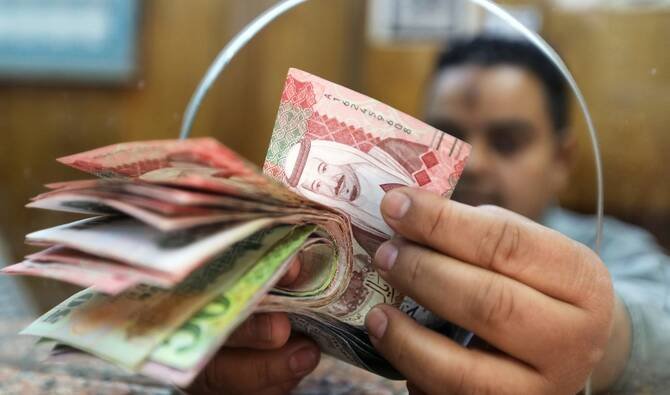
Pakistan could lose between $3 billion and $4 billion in annual remittances if tensions in the Middle East persist, posing risks to overseas employment and economic stability, according to a report by the Pakistan Institute of Development Economics (PIDE).
The study warns that nearly six million Pakistani workers employed across Gulf countries could be affected if regional instability disrupts labour markets. Remittances remain a key source of foreign exchange, making any decline significant for the country’s economy.
Overseas employment under pressure
PIDE estimates that 700,000 to 800,000 Pakistanis travel to Gulf states each year for employment. However, the report projects that up to 500,000 workers may be unable to secure jobs abroad in 2026 if the situation continues.
It also cautions that an additional 500,000 workers could return to Pakistan due to slowing economic activity in the region, adding pressure to the domestic job market.
Economic reliance on Gulf region
Remittances contribute around 10 percent to Pakistan’s economy, reflecting a strong dependence on overseas income. Saudi Arabia and the United Arab Emirates remain the largest employment destinations for Pakistani workers.
Any prolonged disruption in these economies could directly impact foreign exchange reserves and household incomes across Pakistan.
Diversification strategy recommended
To reduce vulnerability, PIDE has urged policymakers to expand overseas employment opportunities beyond the Gulf region. Exploring alternative labour markets could help stabilize remittance inflows and strengthen economic resilience over time.





 Today's E-Paper