
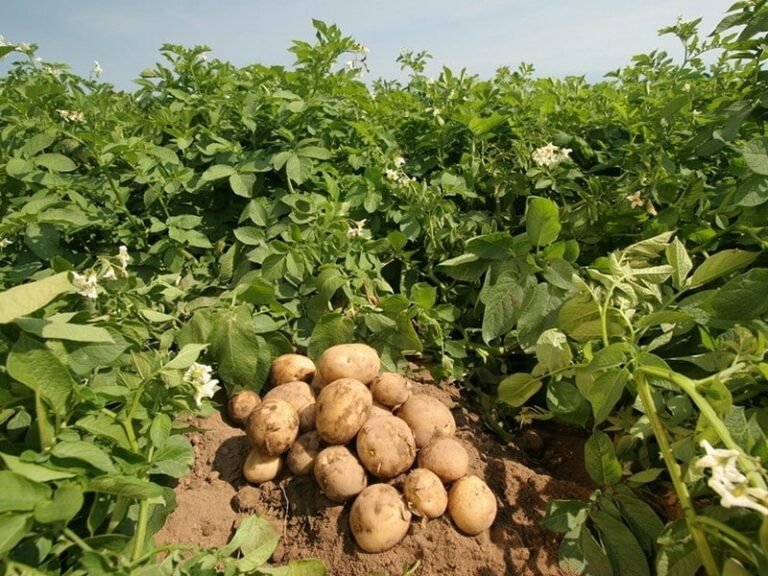
ISLAMABAD, April 2: Pakistan’s potato cultivation has expanded by around 160% over the past decade, with production now exceeding 12 million tons, highlighting rapid growth in one of the country’s key food crops.
The area under cultivation increased from about 177,700 hectares in 2015-16 to nearly 462,160 hectares in 2025-26, driven by rising demand, improved farming practices and wider use of high-yield seed varieties. The sharp increase has significantly boosted output, making potatoes an increasingly important part of Pakistan’s agricultural economy.
Production has surged from 3.8 million tons to nearly 12 million tons during the same period, marking growth of over 200%, according to official data.
Higher output reshapes supply dynamics
In the current season, potato cultivation reached approximately 0.462 million hectares, up from 0.386 million hectares last year, reflecting a 23% increase.
The resulting output is expected to exceed 12 million tons, compared to an average of 8–10 million tons in recent years. The increase has strengthened domestic supply but also created new market challenges.
Surplus pressures prices and farm incomes
The current crop is expected to generate a surplus of around four million tons. While this indicates strong production capacity, it has also contributed to price pressure in local markets, affecting farmer returns.
Officials say the situation highlights the need for improved storage, market access and export planning.
Export push and policy response
In response, the government has stepped up efforts to facilitate exports and ease logistical constraints. A high-level committee is reviewing measures to improve trade flows, including transport facilitation and market access.
Also read: Rs4.6 billion project proposed to modernize seed potato sector
Authorities are also working on subsidised storage solutions and cost reduction strategies to help manage surplus stocks and stabilise prices.
Pakistan is actively exploring new export destinations, particularly in Central Asian markets, as part of a broader strategy to expand agricultural exports and support the farming sector.



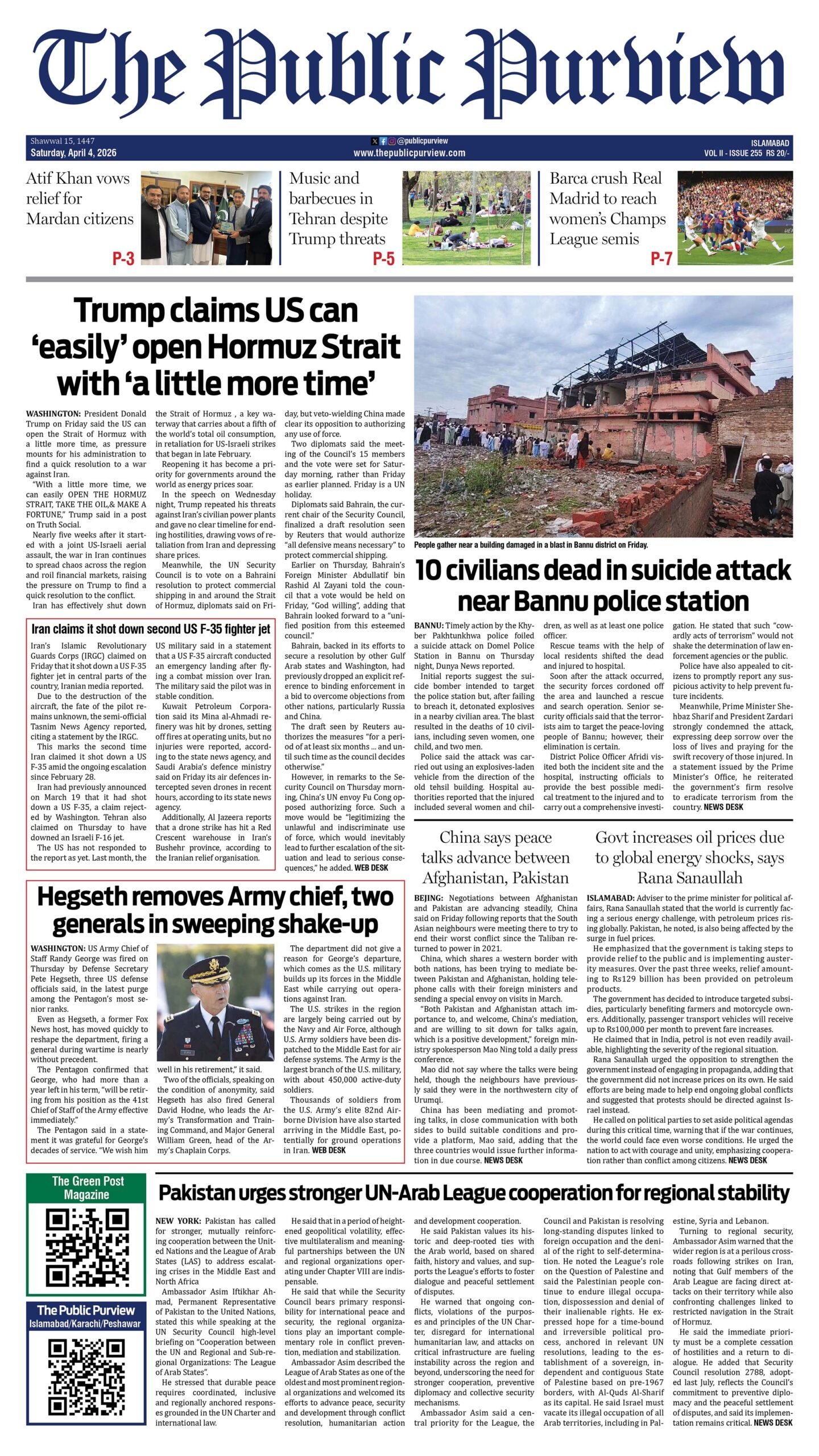 Today's E-Paper