
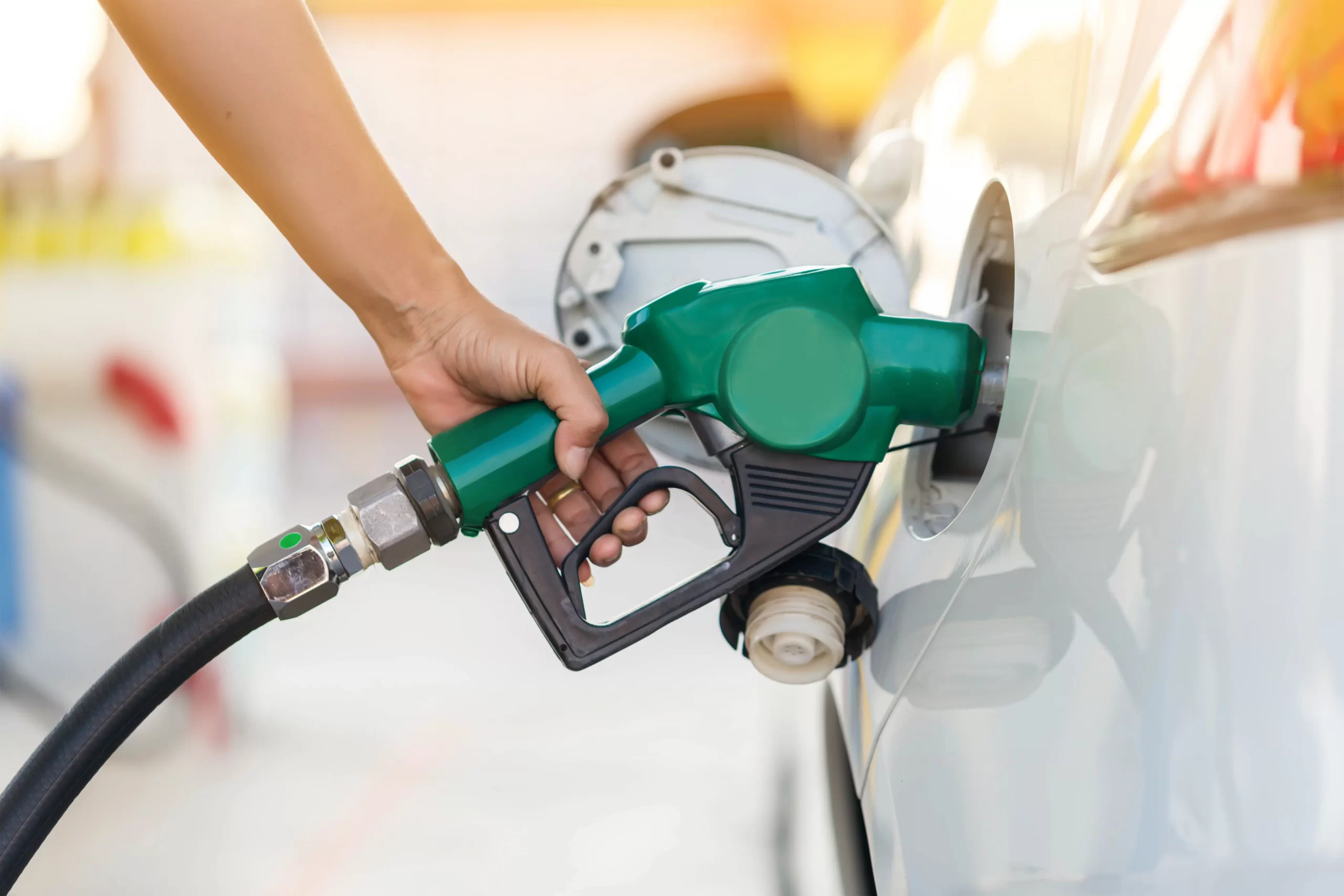
ISLAMABAD — Pakistan has increased petrol and high-speed diesel prices by Rs55 per litre with immediate effect, as global oil markets face severe disruption following escalating conflict in the Middle East that has pushed crude prices to their highest levels in nearly two years.
The price hike, announced by Petroleum Minister Ali Pervaiz Malik after approval from Prime Minister Shehbaz Sharif, raises petrol to Rs321 per litre and high-speed diesel to Rs336 per litre. Officials said the increase reflects sharp rises in international fuel prices and pressure on supply chains linked to the ongoing regional conflict.
According to the government, the price adjustment will take effect immediately and may be reviewed again as global oil prices continue to fluctuate.
Regional conflict pushes global oil prices higher
Global energy markets have experienced sharp volatility after escalating hostilities in the Middle East disrupted oil transportation routes and energy supply chains.
Officials said rising geopolitical tensions and the closure of key shipping routes, including the Strait of Hormuz, have intensified concerns about global oil availability. As a result, crude prices recorded their strongest weekly gains since the market volatility seen during the early stages of the COVID-19 pandemic.
Pakistan, which relies heavily on imported energy, has come under increased pressure as international oil prices surged in recent days.
New fuel prices and tax adjustments
Following the latest revision, petrol prices increased from Rs266 per litre to Rs321 per litre, while high-speed diesel rose from Rs281 per litre to Rs336 per litre.
The government also adjusted the petroleum levy structure. The levy on petrol was increased to a record Rs105.4 per litre, while the levy on diesel was reduced to Rs55 per litre to limit the impact on the transport and agriculture sectors.
Other fuel products also saw major increases. The price of kerosene oil rose by Rs130 per litre to Rs319, while light diesel oil increased by Rs68 per litre to Rs235.
Officials indicated that further adjustments could follow depending on international price trends.
Government reviewing energy strategy
Authorities have begun daily monitoring of petroleum prices and supply levels through a committee led by Finance Minister Muhammad Aurangzeb.
Officials said the government is assessing options to ensure fuel availability while managing the economic impact of global price volatility. Discussions have included possible energy conservation measures and strategies to stabilize domestic supply.
Deputy Prime Minister Ishaq Dar said Pakistan remains in close contact with regional and international partners as the crisis continues to affect energy markets.
Government officials acknowledged that the duration of the crisis remains uncertain and said price adjustments may continue as the situation evolves.
Shehbaz Sharif has ordered a nationwide crackdown on petrol hoarding and directed authorities to closely monitor fuel stocks as Pakistan faces rising petroleum prices and concerns about supply stability.
Chairing a high-level meeting to review the country’s fuel reserves, the prime minister expressed concern over the recent surge in petrol prices, calling the situation “distressing” and warning that artificial shortages would not be tolerated.
The meeting was briefed by the Ministry of Petroleum on the country’s current fuel reserves in light of a shifting regional situation. Officials said Pakistan currently has sufficient petroleum stocks to meet domestic demand.
Sharif directed provincial governments to take strict legal action against hoarders and warned that petrol pumps involved in creating artificial shortages should face immediate closure and cancellation of their licences.
“Any petrol pump involved in creating artificial shortages should be shut down immediately and legal proceedings initiated,” the prime minister instructed during the meeting.
The prime minister also ordered the development of a real-time digital dashboard to monitor the movement and transportation of petroleum products nationwide. The system will allow federal and provincial authorities to track fuel supplies and share stock data instantly.
He further directed the petroleum minister to visit the provinces and coordinate with local governments to prepare a strategy ensuring uninterrupted fuel supply and conservation of petroleum products.
The meeting was attended by Ishaq Dar, federal ministers Jam Kamal Khan, Ahad Khan Cheema, Muhammad Aurangzeb, Attaullah Tarar, Ali Pervaiz Malik and Awais Khan Leghari, along with senior government officials, provincial chief secretaries, and representatives from Azad Kashmir and Gilgit-Baltistan.
Government monitoring fuel prices and supply
The development comes as the government begins daily meetings of a cabinet-level committee to monitor petroleum prices and energy supplies amid rising regional tensions.
The committee, chaired by Finance Minister Muhammad Aurangzeb, recently reviewed international oil market trends, regional supply chain stability and potential foreign exchange impacts linked to volatile energy prices.
Officials said the review was part of efforts to ensure adequate fuel availability in Pakistan and maintain market confidence during a period of geopolitical uncertainty.
Petrol and diesel prices increased
Petroleum prices were revised upward from March 1 following increases in international oil markets.
The price of petrol was raised by Rs8 per litre, a rise of about three percent, taking the rate from Rs258.17 to Rs266.17 per litre.
High-speed diesel (HSD) increased by Rs5.16 per litre, or about 1.8 percent, bringing the new price to Rs280.86 per litre from the previous Rs275.70. The revised rates will remain in place until March 15.
Officials said the adjustment reflects rising global oil prices amid geopolitical tensions and expectations of potential supply disruptions.




 Today's E-Paper