
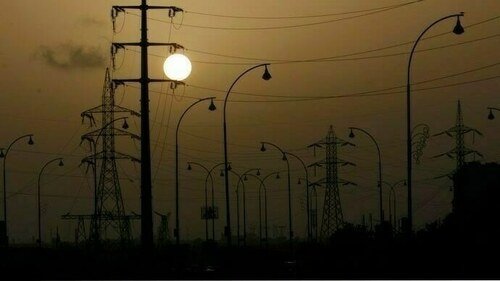
ISLAMABAD: Pakistan may experience daily loadshedding and higher electricity tariffs in the coming summer months as the government prepares to manage expected fuel shortages and rising power generation costs, according to senior officials.
Officials said the proposed plan includes limited loadshedding, stricter energy conservation measures, and adjustments in fuel costs to maintain electricity supply during peak demand, directly affecting households and businesses across the country.
Fuel shortages driving power challenges
According to officials, a significant decline in liquefied natural gas (LNG) availability is expected from next month. LNG currently contributes more than 21 percent to Pakistan’s electricity generation, but supplies could fall sharply, creating pressure on the system.
Coal supplies, both imported and local, are also projected to remain constrained. Together, LNG and coal account for nearly 30 percent of the national grid’s electricity, increasing the risk of supply gaps.
To manage the shortfall, authorities may increase reliance on furnace oil-based power generation during peak hours. However, furnace oil is considerably more expensive, with generation costs estimated at around Rs35 per unit, compared to approximately Rs20 for LNG and Rs13.50 for imported coal.
Expected increase in electricity costs
Officials estimate that fuel cost adjustments could rise by Rs10 to Rs12 per unit, partly due to the shutdown of four LNG-based power plants with a combined capacity of about 5,000 megawatts.
High-speed diesel, which could exceed Rs80 per unit for electricity generation, is not being considered due to its high cost and its essential use in transport and agriculture.
Demand-supply gap during summer
Electricity demand typically rises to between 27,000 and 28,000 megawatts during summer, while current peak demand remains below 14,000 megawatts, partly due to increased reliance on solar power.
Given the anticipated supply constraints, officials expect average loadshedding of two to three hours daily, depending on fuel availability. Automatic fuel cost adjustments are also likely to be reflected in consumer electricity bills.
Gas diversion and coal supply issues
Gas companies have indicated that only around 80 million cubic feet per day may be available for power generation. Authorities are considering suspending gas supply to the CNG sector to divert additional gas to power plants.
At the same time, operational issues are affecting coal supply to major power plants in Sahiwal and Jamshoro. Disputes involving Pakistan Railways and plant operators have disrupted coal transportation, potentially impacting up to 1,800 megawatts of generation capacity.
Officials warned that if fuel supply challenges persist, the country could face extended loadshedding hours and further increases in electricity costs during the peak summer period.



 Today's E-Paper