
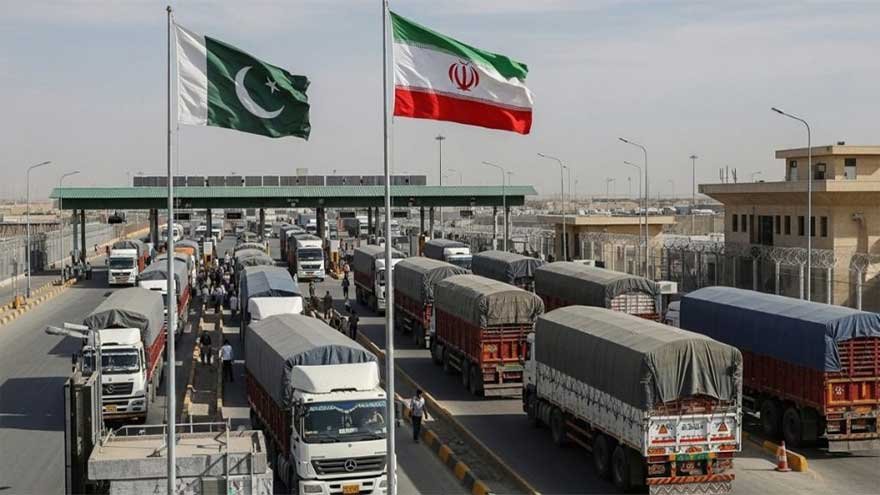
ISLAMABAD: Pakistan has operationalized a new regional trade route by dispatching its first export shipment to Uzbekistan through Iran, marking a significant step toward enhancing connectivity with Central Asia. The development was announced by the Directorate General of Transit Trade, which confirmed that the consignment of frozen beef departed from Karachi and crossed into Iran via the Gabd-Rimdan border.
The shipment will continue its journey from Rimdan in Iran to Tashkent, Uzbekistan, establishing an alternative transit corridor aimed at facilitating Pakistan’s access to Central Asian markets. The initiative is particularly significant as traditional overland trade routes through Afghanistan have faced repeated disruptions due to security and border tensions.
Alternative route to Central Asia
Pakistan has increasingly looked toward Iran as a reliable trade partner and transit hub to ensure uninterrupted access to landlocked Central Asian states. The new corridor is expected to enhance regional connectivity while providing Central Asian countries with improved access to Pakistani seaports, including Karachi and Gwadar Port.
Also Read: China’s smart blue economy model offers lessons for Pakistan
According to the official statement, the initiative will strengthen trade links with Iran and Central Asia, enabling smoother movement of goods and promoting the use of Pakistan’s port infrastructure for international transshipment.
Enhanced customs and transshipment facilities
The press release noted that Pakistan Customs, in collaboration with the Ministry of Commerce, is taking measures to promote international transshipment through Pakistani ports. These include allowing storage facilities for international transshipment cargo at off-dock terminals to increase the handling capacity of ports.
Furthermore, key border crossing points—such as Taftan, Rimdan, Sost, and Gwadar—have been enabled by the International Road Transport Union to facilitate the movement of international road transit consignments from Pakistan. These steps are expected to streamline logistics and improve the efficiency of cross-border trade.
Economic and regional significance
Officials stated that the new corridor would boost port activity, strengthen trade infrastructure, and generate economic benefits for Pakistan and regional countries. By enhancing connectivity, the initiative supports broader efforts to position Pakistan as a regional trade and logistics hub linking South Asia, Central Asia, and the Middle East.
Link to economic stabilization efforts
Pakistan’s push to expand regional trade aligns with its broader economic stabilization strategy under a $7 billion program with the International Monetary Fund. The IMF recently reached a staff-level agreement with Pakistan, which is expected to unlock approximately $1.2 billion under the Extended Fund Facility and the Resilience and Sustainability Facility.
The government has been working to diversify export routes, ease logistical bottlenecks, and strengthen external balances as part of its strategy to support sustainable economic growth.




 Today's E-Paper