
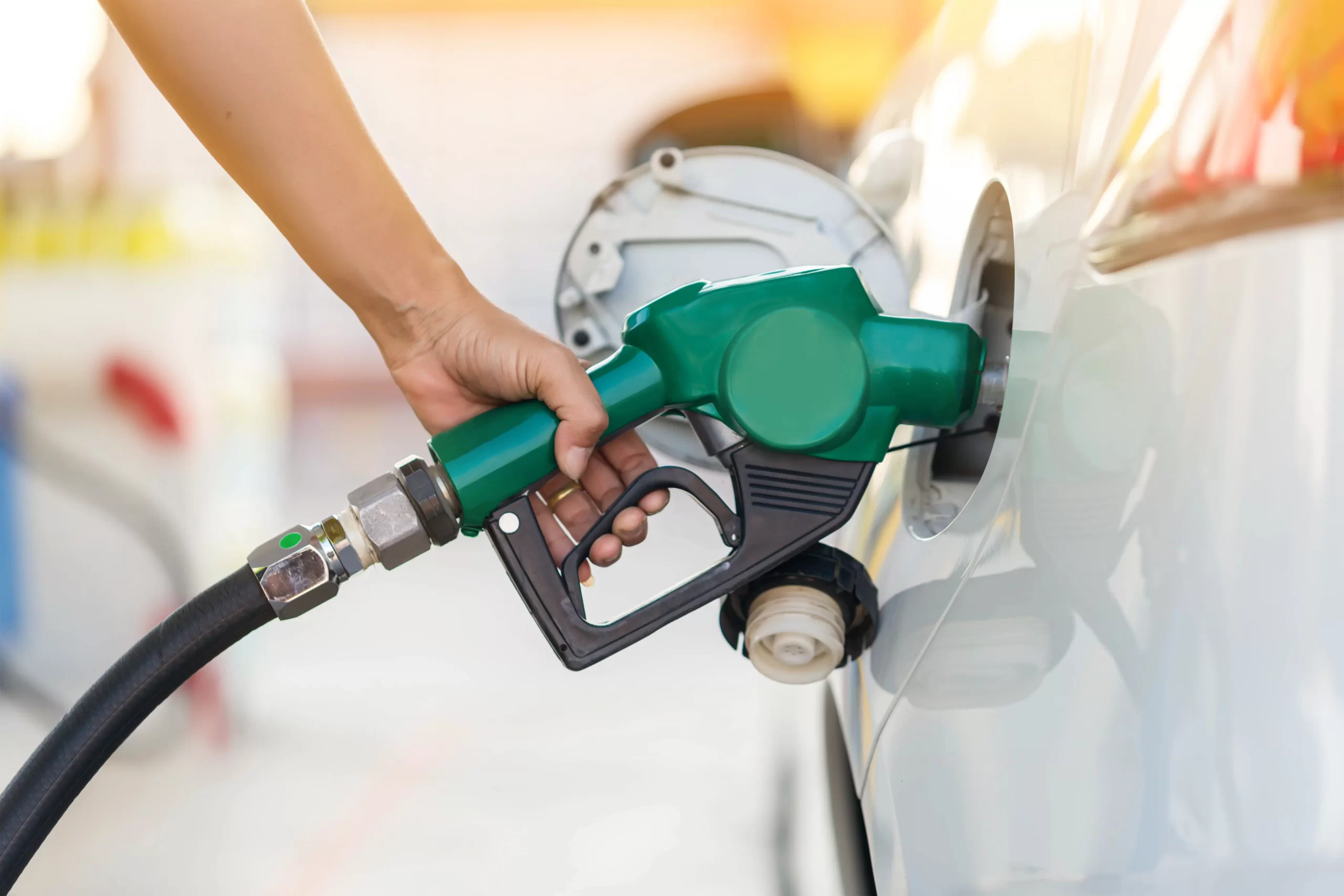
ISLAMABAD: Pakistan has assured the International Monetary Fund (IMF) that fuel price increases will be passed on to consumers, while targeted subsidies will be expanded to protect low-income households amid rising global energy costs and inflation.
The commitment comes as oil price volatility linked to regional tensions adds pressure on Pakistan’s economy, pushing up transport and energy costs. Officials said maintaining timely fuel price adjustments is essential to manage demand, contain fiscal imbalances and meet programme commitments with the IMF.
To offset the impact, the government plans to strengthen social protection through the Benazir Income Support Programme (BISP), including an increase in the Kafaalat stipend from Rs14,500 to Rs19,500 starting January 2027.
Subsidy plan targets vulnerable households
Authorities said additional families will be brought into cash transfer programmes, with total BISP coverage expected to exceed 10 million households. The expansion is aimed at cushioning the effect of higher fuel and food prices on lower-income groups.
Officials added that improvements in digital payments, including wider use of e-wallets, are being introduced to ensure transparent and efficient delivery of financial assistance.
Inflation and cost pressures rising
Pakistan’s inflation has shown an upward trend, with the consumer price index rising to 7.3% year-on-year in March, exceeding the central bank’s target range. Transport, fuel and utility costs were among the main contributors to the increase.
Rising wholesale prices also indicate that cost pressures could continue to pass through to consumers in the coming months. Analysts have warned that sustained increases in global oil prices may further strain household budgets and economic stability.
Fiscal discipline and reform commitments
Officials told the IMF that broader fiscal measures are underway, including reductions in public spending and efforts to improve revenue management. While temporary relief measures are being considered, authorities emphasised that regular fuel price adjustments remain a key component of economic policy.
Also read: PM Shehbaz Sharif keeps petroleum prices unchanged in Pakistan despite global oil rise
The government is also working on short- and medium-term strategies to manage external risks, including energy price shocks, while maintaining supply stability and supporting economic growth.




 Today's E-Paper