

Pakistan’s decision to join President Donald Trump’s “Board of Peace” for Gaza has stirred deep reflection from Lahore’s bustling streets to the quiet corners of the nation’s soul. In January 2026, this step placed Islamabad alongside Egypt, Jordan, the UAE, Saudi Arabia, Türkiye, Qatar, and others in a multinational endeavour backed by UN Security Council Resolution 2803—aimed at sustaining the ceasefire, scaling humanitarian aid, rebuilding Gaza’s shattered landscape, and nurturing the long-cherished vision of Palestinian statehood.
It is a pragmatic choice: Pakistan enters not in isolation but within an OIC collective, strengthening its voice for justice without standing alone. Foreign Minister Ishaq Dar has made the position clear—the emphasis lies on ceasefire consolidation, humanitarian support, and reconstruction, with no role in disarming Hamas or undertaking coercive duties. Yet beneath these assurances, a profound question echoes: Could this become a pitfall for the Pakistan Army?
In my opinion, the most serious hidden danger lies in domestic unrest. Palestine commands near-universal devotion in Pakistan—etched in street protests, religious conviction, and even the solemn clauses of our passports. Joining an initiative led by Trump, however cautiously framed, invites accusations of betrayal from opposition voices, religious scholars, and ordinary citizens alike. The stirrings are already visible: Parliament bypassed, public debate absent, charges levelled that this aligns with frameworks lacking true Palestinian representation.
Should the International Stabilisation Force shift toward enforcement amid resistance from Hamas, Pakistani troops might find themselves in confrontations that ignite widespread anger at home. Israel’s outright rejection of Pakistani involvement—citing longstanding views and alleged ties—adds further insult, transforming potential contribution into humiliation without tangible gain.
The operational perils deepen the concern. The ISF’s mandate remains imprecise—President Trump speaks firmly of demilitarisation, while Pakistan firmly rejects any coercive tasks.
In Gaza’s volatile terrain, mission creep could expose soldiers to direct harm, reminiscent of past UN peacekeeping tragedies. Any casualties or perception of compromise would erode public trust in the military and the state. Amid economic pressures and persistent internal threats, extending resources to this distant theatre feels like stepping into a concealed trap: promising from a distance, perilous upon closer approach.
Yet these pitfalls are not inevitable. A big if remains: if the Board adheres steadfastly to its humanitarian core—delivering aid, overseeing reconstruction, safeguarding civilians—Pakistan stands to emerge fortified. Strengthened relations with the United States and Gulf partners could yield vital economic support, investment, and diplomatic influence. As the most substantial Muslim-majority contributor among the members, our nation’s perspective could advance genuine Palestinian dignity and progress toward a viable two-state reality. Refusing participation outright might alienate key allies and forfeit needed assistance. Engagement within a unified bloc provides protection—collective decisions diffuse responsibility should challenges arise.
Success, however, requires unwavering clarity: a strictly non-combat mandate, full alignment with UN principles, and parliamentary endorsement for any deployment. If these conditions hold, this moment could elevate Pakistan from a regional sentinel to a global exemplar, infused with barakah in the service of peace.
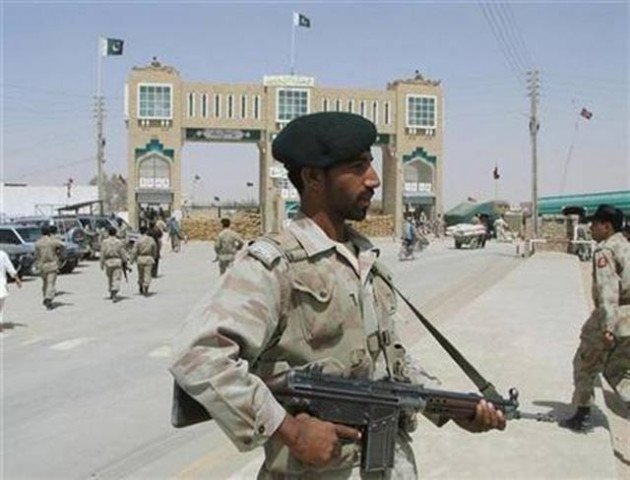
No reflection on this path is complete without honouring the Pakistan Army’s enduring trials in UN peacekeeping. Since its first deployment to Congo in 1960, over 200,000 troops and police have served across more than 46 missions in 29 countries—one of the world’s most steadfast contributors. Today, more than 2,600 personnel remain active in operations spanning Abyei, the Central African Republic, Cyprus, the Democratic Republic of Congo, South Sudan, and Western Sahara, including 147 courageous women who serve alongside their brothers.
These assignments demand profound sacrifice. Soldiers confront ambushes—as in Somalia, where dozens fell in 1993—scorching deserts, insurgent threats in Congo, prolonged isolation, separation from loved ones, and scarce resources, all while protecting civilians, delivering aid, and restoring fractured communities. Since 1948, 168 Pakistani peacekeepers have laid down their lives—a solemn toll paid in the world’s most overlooked conflicts.
Through it all, their professionalism endures: establishing medical outreach, clearing mines, supporting elections, and forging bonds of trust amid hostility. Under the blessed leadership of Field Marshal Syed Asim Munir—a hafiz of the Quran whose words often invoke divine help and unwavering faith—this legacy persists, drawing barakah as the Army safeguards sacred duties both at home and across distant horizons.
Pakistan’s contributions stand unparalleled in scale and impact. In post-war Liberia and Sierra Leone, units helped stabilise ravaged lands, train local forces, and facilitate safe returns. In Congo and South Sudan, they shielded innocents amid unrelenting chaos, earning United Nations commendation for discipline and restraint. Globally, Pakistan ranks among the longest-serving and most committed providers—stepping forward where hesitation prevails. This is no pursuit of acclaim; it is quiet, resolute valour in the harshest environments, unmatched in counter-insurgency expertise, logistical mastery, and compassionate engagement under fire.
Under Field Marshal Syed Asim Munir’s guidance—whose recent addresses have reminded the nation of divine intervention felt in moments of trial—the Army continues to seek barakah from Allah’s promise. These efforts project Pakistan onto the global stage as a reliable force for stability, not strife. In Gaza, that proven strength could secure humanitarian corridors and support rebuilding—always principled, transparent, and purely in the cause of relief.
The Quran and Sunnah illuminate this path of sacrifice and blessing:
“And if only the people of the cities had believed and feared Allah, We would have opened upon them blessings from the heaven and the earth…” (Surah Al-A’raf 7:96)—a reminder that taqwa invites divine increase, even through hardship.
“Fight in the cause of Allah those who fight you, but do not transgress limits, for Allah loveth not transgressors.” (Surah Al-Baqarah 2:190)—permission for defence, tempered by justice.
“To those against whom war is made, permission is given (to fight), for they have been oppressed—and verily Allah is well able to assist them.” (Surah Al-Hajj 22:39)—assurance of divine aid for the wronged.
The Prophet ﷺ taught: “O Allah, bless my people in their early mornings.” He would dispatch armies at dawn, seeking barakah in their endeavours (Sunan Abi Dawud 2606).
He ﷺ also said: “Good will remain (as a permanent quality) in the forelocks of horses till the Day of Resurrection, for they bring about either a reward or booty.” (Sahih al-Bukhari)—a symbol of enduring barakah in striving for Allah’s cause.
In the spirit of our poetic heritage:
“With barakah from the Merciful, the shield stands firm,
Soldiers of faith march where shadows loom—
Their sweat waters the tree of peace, their blood its roots,
Under divine gaze, victory blooms eternal.”
And another whisper:
“In dawn’s first light, barakah descends like dew,
On guardians of the sacred, pure and true—
No pitfall claims the heart that trusts Allah’s plan,
For His blessings guard the righteous man.”
The Gaza Peace Board presents dual edges—pitfalls of backlash, operational risk, and political snare; yet a golden opportunity if rooted in humanitarian purpose. Prudence demands vigilance: any deployment must follow parliamentary voice and strict non-combat limits.
Yet the big if endures: if peace prevails, Pakistan’s contribution—forged in decades of hardship and unparalleled global efforts—could radiate with barakah under Field Marshal Syed Asim Munir’s faithful stewardship. The Army’s history affirms it: sacrifice met with divine grace, protection granted to those who protect.


 Today's E-Paper