
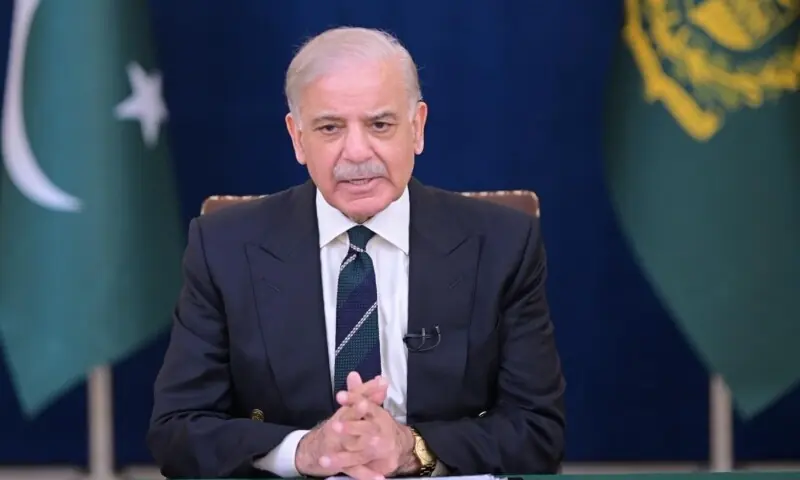
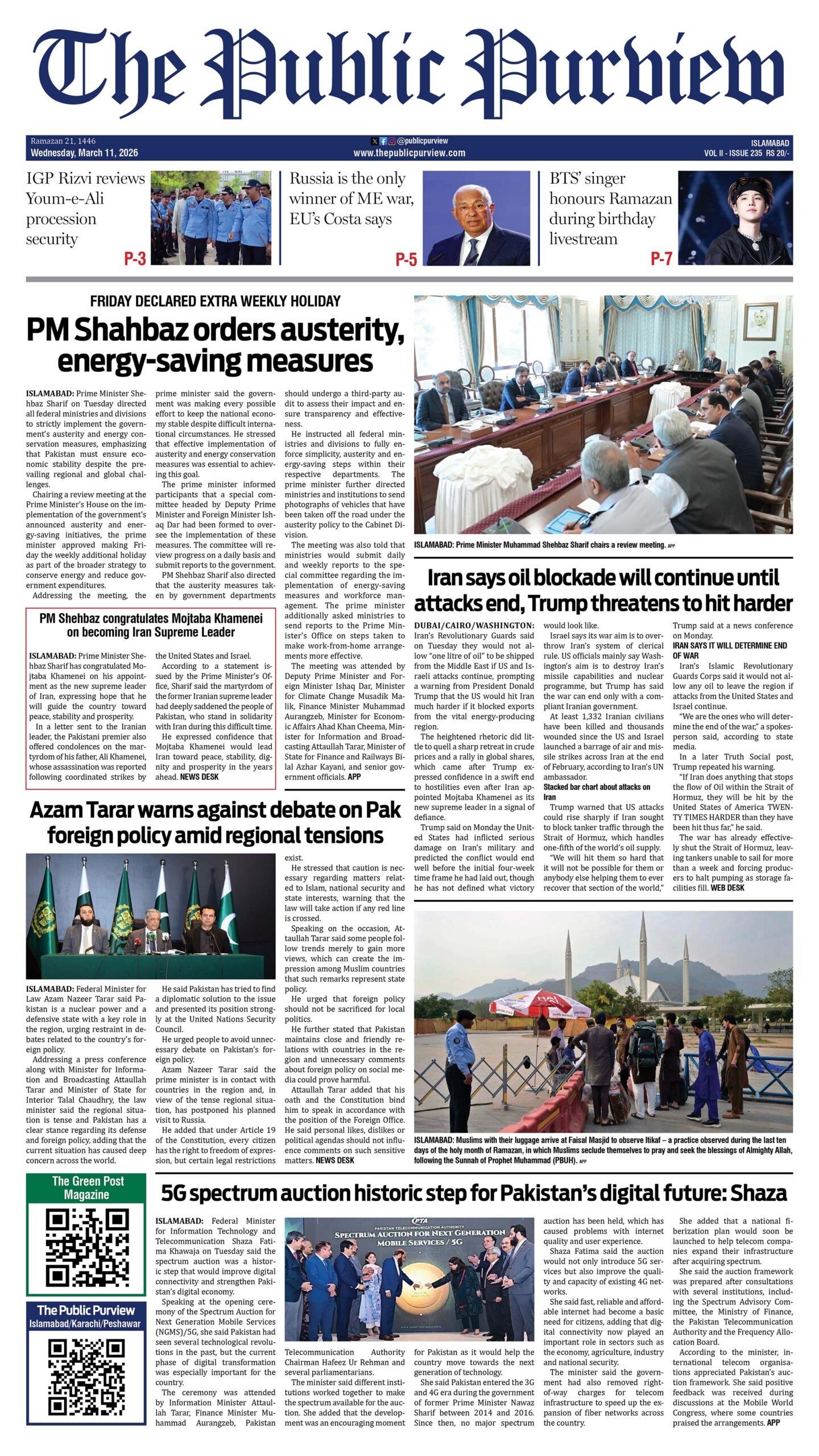
Islamabad, March 10, 2026: In response to soaring global oil prices driven by escalating conflicts in the Middle East, Prime Minister Shehbaz Sharif has announced a series of austerity measures to mitigate the impact on Pakistan’s economy. The measures include a four-day workweek for government and private sector employees, school closures, and cuts to government expenditures, aimed at conserving fuel.
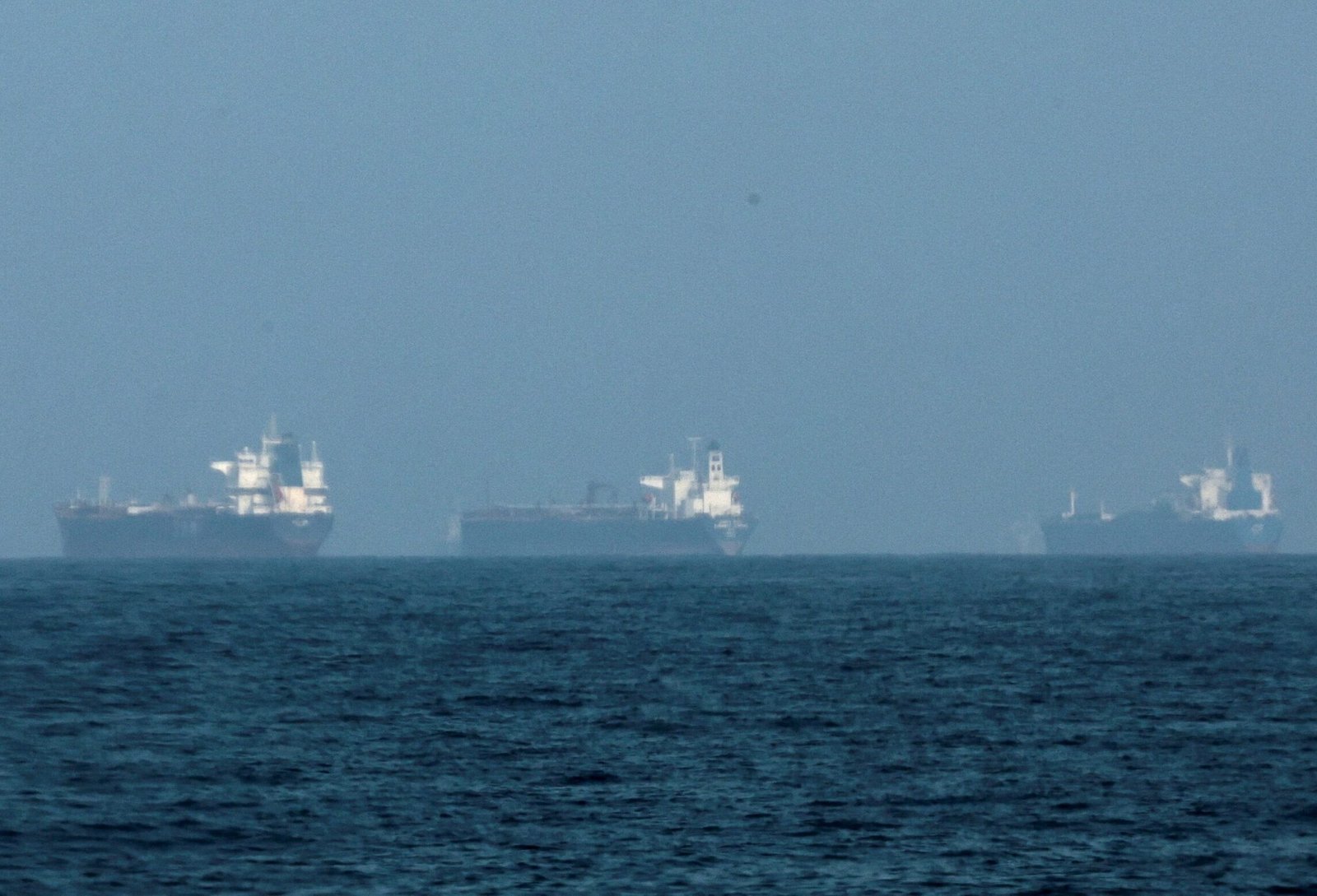
As US-Israeli strikes on Iran disrupt oil supplies in the Strait of Hormuz—one of the world’s most critical oil shipping routes—global oil prices surged to over $119 a barrel, the highest since mid-2022. The price spike has caused widespread concern, prompting Pakistan to implement measures to reduce fuel consumption.
Prime Minister Sharif announced that, starting immediately, 50 percent of the workforce in both public and private sectors will work from home, except for essential services. Additionally, offices will be open for only four days a week to help conserve oil, although banks are excluded from this restriction. A 50 percent reduction in fuel allocation for government vehicles has also been put in place, with exceptions for ambulances and public buses.
Also read: Federal cabinet forgoes two months’ salaries under Pakistan’s national austerity policy
Sharif also revealed a host of other austerity measures, including a ban on new government purchases such as cars, furniture, and air conditioners. There will be a 20 percent cut in public department expenses, and the government has imposed a temporary ban on foreign trips for officials and ministers, along with restrictions on government dinners and iftar buffets.
In a significant move, Sharif also announced that all schools across Pakistan would remain closed for two weeks, with higher education institutions shifting to online classes. These decisions were taken to address the ongoing strain on Pakistan’s economy due to rising fuel prices.
The Prime Minister reassured the public that the government would shield them from the full brunt of rising oil costs, emphasizing that these measures were part of the government’s commitment to minimizing the impact on the population.
In a related development, the Pakistan Navy launched “Operation Muhafiz-ul-Bahr” to safeguard national energy shipments amidst the ongoing conflict in the Middle East. The operation, in coordination with the Pakistan National Shipping Corporation, is ensuring the safe passage of vital merchant vessels through the country’s key maritime trade routes.




 Today's E-Paper