
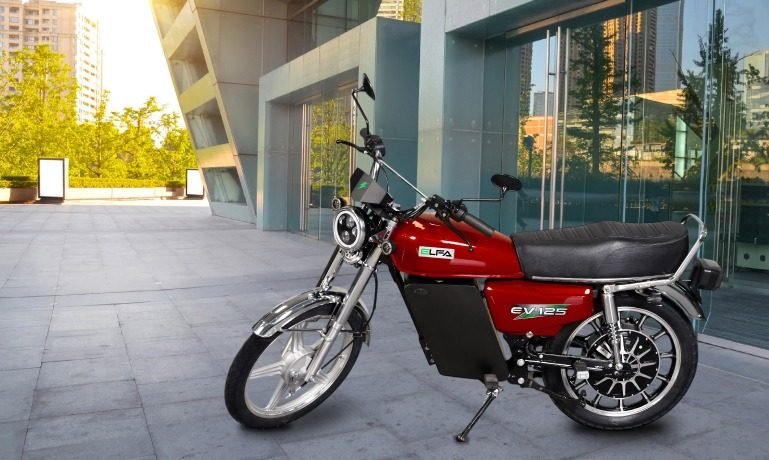
ISLAMABAD, Apr 7 — Rising fuel prices and fears of supply disruption are accelerating the shift to electric motorbikes in Pakistan, as consumers turn to cheaper alternatives amid growing uncertainty over petrol availability.
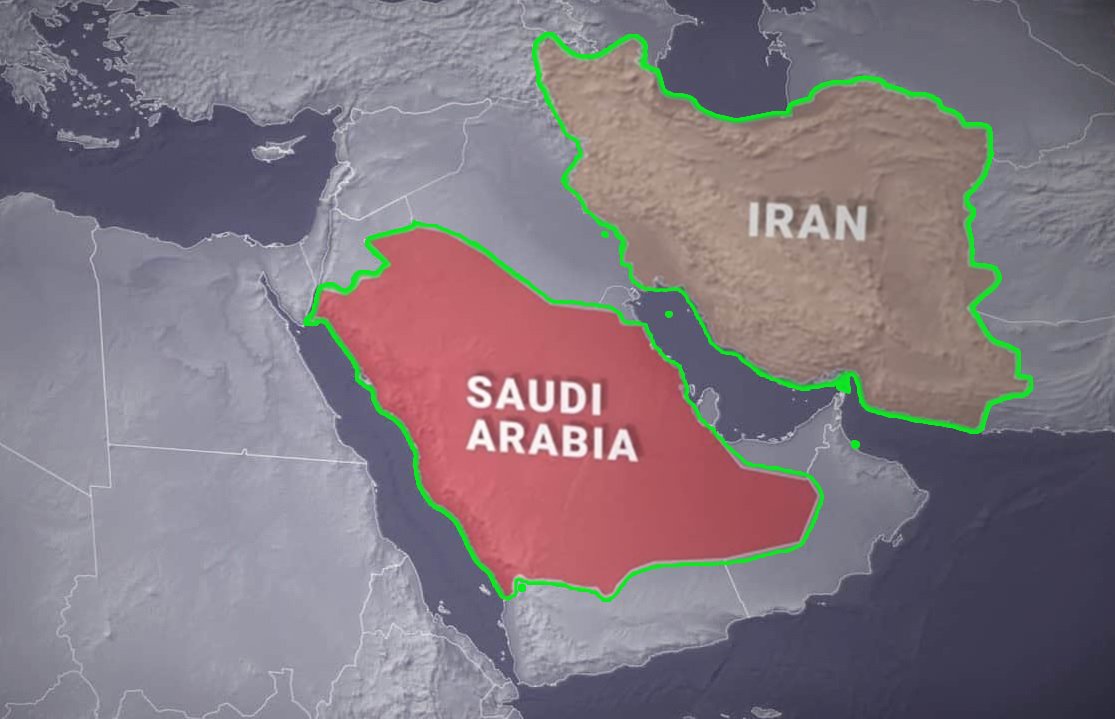
The trend has intensified after tensions in the Middle East disrupted shipping through the Strait of Hormuz, a key route for Pakistan’s oil imports. Although the government has assured stable supplies, concerns over shortages and rising costs have led to a surge in demand for electric two-wheelers across the country.
Retailers and mechanics report a sharp increase in interest. In Rawalpindi, a workshop converting petrol bikes into electric models recorded a 70% jump in sales in March, while multi-city dealers say recent demand is the highest in years.
Petrol costs strain households
Pakistan imports nearly all of its oil, and around 40% of petrol is consumed by motorcycles and rickshaws. With recent price hikes, fuel has become increasingly unaffordable for many households.
Data shows that after an 18% increase in petrol prices, an average Pakistani now spends about 31% of daily income on one litre of fuel — among the highest levels globally. This has pushed many commuters, including workers and students, to consider electric alternatives.
Electric two-wheeler sales nearly tripled last year to around 90,000 units, accounting for about 5% of total sales. In recent months, that share has crossed 10% for the first time, according to industry estimates.
Charging an electric bike can cost up to ten times less than running a petrol-powered vehicle, making it a more viable option as inflation pressures persist.
Government incentives boost EV adoption
To support the transition, the government introduced the Pakistan Accelerated Vehicle Electrification (PAVE) plan, offering subsidies covering around 20% of vehicle costs along with interest-free loans.
Officials say the programme has received about 270,000 applications, significantly exceeding initial targets. The government aims to finance up to 2 million electric vehicles over five years, reducing fuel imports and easing pressure on foreign exchange reserves.
Pakistan’s growing adoption of solar energy is also supporting this shift, enabling lower-cost charging at home and reducing reliance on grid electricity.
Chinese brands dominate growing market
Much of Pakistan’s electric two-wheeler market is driven by Chinese manufacturers, including brands such as Yadea and Jinpeng, along with locally assembled bikes using imported components.
Chinese EV giant BYD, in partnership with HUBCO Green, is also working to expand charging infrastructure, signalling broader investment in Pakistan’s electrification push.
Infrastructure and service gaps remain
Despite strong momentum, challenges remain. Analysts point to limited charging infrastructure, lack of local technical expertise, and weak after-sales service networks as key risks.
Experts warn that without reliable servicing and support, rapid market expansion could affect consumer confidence, particularly in areas with poor road conditions.
Officials say the shift to electric motorbikes is expected to accelerate further if fuel prices remain high, positioning EVs as a practical and cost-effective alternative for millions of daily commuters.


 Today's E-Paper