
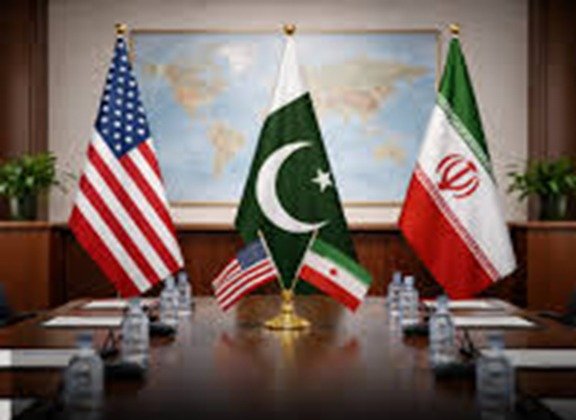
Islamabad, April 1, 2026 — Pakistan is pursuing a cautious diplomatic strategy as tensions involving the United States, Iran and Israel escalate, aiming to maintain balanced relations while avoiding direct involvement in the conflict.
Policymakers are seeking to protect Pakistan’s economic and security interests while positioning the country as a potential facilitator for de-escalation. The approach reflects the complexity of managing ties with Iran, Gulf partners and Washington at a time of rising geopolitical uncertainty.
Experts say Pakistan’s strategy is shaped by competing external pressures and internal considerations. Sheharyar Khan, Executive Director of the National Dialogue Forum, noted that maintaining neutrality is becoming increasingly difficult as tensions shift toward possible confrontation. He said Pakistan must balance its relationship with Iran alongside strategic ties with Gulf states and continued engagement with the United States.
Domestic factors are also influencing policy choices. Analysts point to concerns over internal sectarian sensitivities and defence understandings with countries such as Saudi Arabia, which may create expectations in the event of escalation. These dynamics, experts say, limit Islamabad’s ability to sustain strategic ambiguity.
Limited but active diplomatic role
Pakistan has attempted to position itself as a facilitator for dialogue, including reported outreach aimed at easing tensions between Washington and Tehran. However, analysts note that its influence remains limited.
Khan said Pakistan is not a principal actor in shaping the strategic decisions of the US, Iran or Israel, restricting its role to facilitative engagement. Its perceived alignment with certain regional partners may also affect its credibility as a neutral intermediary.
Economic and security risks
The ongoing crisis carries significant economic implications. Fahad Nabeel, CEO of Geopolitical Insights, said Pakistan’s reliance on Gulf energy routes makes it vulnerable to disruptions, particularly in key corridors such as the Strait of Hormuz.
Rising energy prices could increase inflation and place additional pressure on fiscal stability. Analysts also warn that any slowdown in Gulf economies may affect remittance inflows from Pakistani workers abroad.
Nabeel added that Pakistan’s decision to avoid direct involvement has helped maintain communication channels with multiple stakeholders, supporting its role in potential de-escalation efforts.
Balancing external ties
Experts say Pakistan’s diplomatic approach remains focused on cautious engagement, balancing relationships with major global and regional actors while managing domestic and economic risks.
Also read: PM Shehbaz, Iranian president hold hour-long call on regional tensions and peace efforts
While structural constraints limit its influence, Islamabad’s emphasis on dialogue and restraint positions it as a measured, though constrained, actor in a rapidly evolving regional crisis.

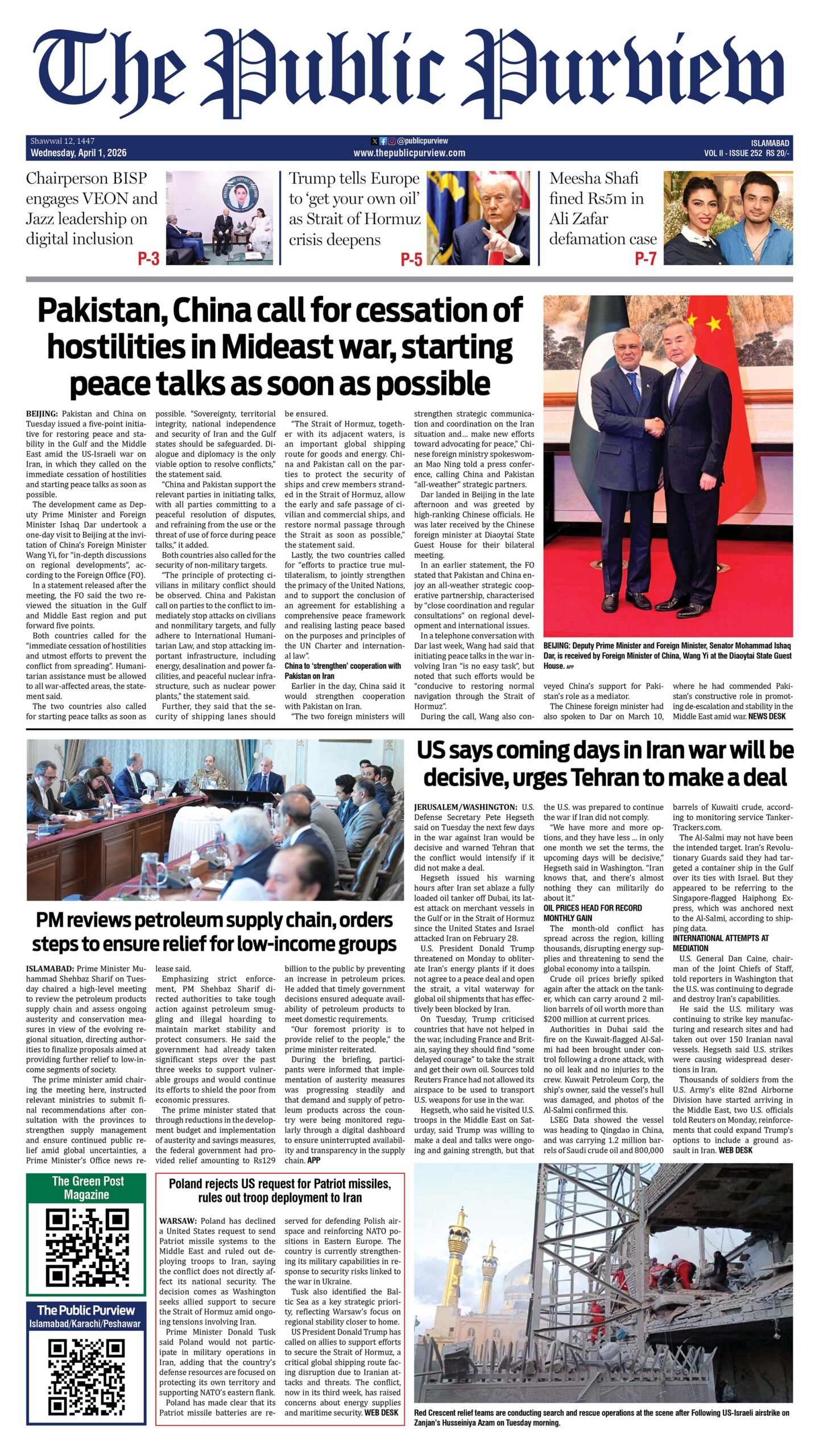 Today's E-Paper