
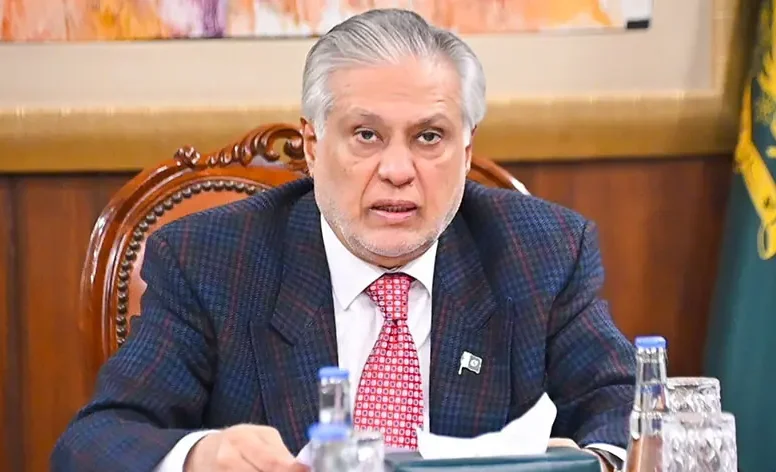
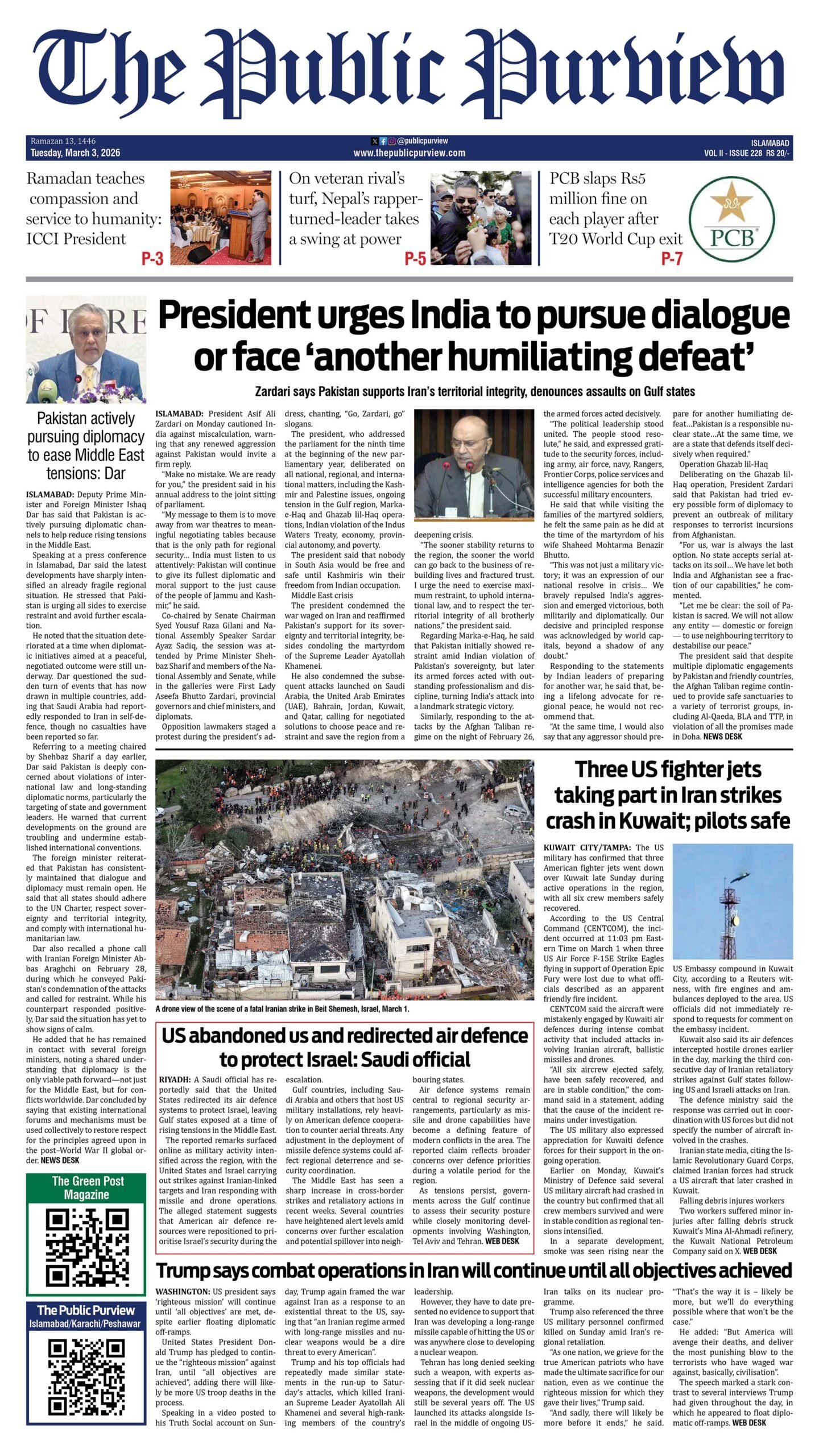
Deputy Prime Minister and Foreign Minister Ishaq Dar said on Monday that Pakistan is actively pursuing diplomatic efforts to help reduce rising tensions in the Middle East, urging all parties to exercise restraint and avoid further escalation.
Speaking at a press conference in Islamabad, Dar said recent developments have intensified an already fragile regional environment. He emphasized that Pakistan believes dialogue remains the only sustainable path toward stability and that all sides should work to prevent the situation from worsening.
Dar noted that the latest escalation occurred while diplomatic initiatives aimed at a negotiated settlement were still underway. He questioned the rapid turn of events that has drawn multiple countries into the crisis and said Saudi Arabia had reportedly responded to Iran in self-defence. He added that no casualties had been confirmed at the time of his remarks.
Referring to a meeting chaired by Prime Minister Shehbaz Sharif a day earlier, Dar said Pakistan is concerned about violations of international law and diplomatic norms, including the targeting of state and government leaders. He described the current developments as troubling and said they undermine established international conventions.
The foreign minister reiterated that Pakistan consistently supports adherence to the United Nations Charter, respect for sovereignty and territorial integrity, and compliance with international humanitarian law.
Dar also disclosed that he had spoken with Iranian Foreign Minister Abbas Araghchi on February 28, conveying Pakistan’s condemnation of the attacks and calling for restraint.
US and Israel launch strikes on Iran, targeting senior leadership
While the Iranian side responded positively, Dar said the situation has not yet shown signs of de-escalation.
He added that he remains in contact with several foreign ministers, noting a shared view that diplomacy is the only viable solution—not only for the Middle East but for conflicts elsewhere as well.
Dar concluded by stressing the importance of using established international mechanisms and forums to restore respect for the principles underpinning the post–World War II global order.
 Today's E-Paper