

Pakistan Day, observed on 23 March, represents the spirit and unity of the nation and connects Pakistan’s past, present, and future from the Karakoram to the Arabian Sea. It renews the collective pledge of about 250 million citizens to the idea of Pakistan first expressed in the poetry and philosophy of Allama Muhammad Iqbal and later realized as a sovereign state through the leadership of Quaid-e-Azam Muhammad Ali Jinnah. The 2026 celebration carries a strong sense of pride following recent geopolitical tensions and confrontations after which Pakistan emerged stronger and more prominent internationally, reinforcing confidence that a nation founded on faith and unity stands secure and continues to fulfill the vision of its founders. The historical foundation of the day lies in 23 March 1940 when Muslims of the Indian subcontinent gathered at Lahore’s Minto Park and passed the Lahore Resolution, which evolved from a demand for autonomous regions into a call for a separate sovereign homeland where Muslim cultural, religious, and political identity could flourish. Iqbal had earlier provided the intellectual inspiration by envisioning a consolidated Muslim state in Northwest India rooted in Islamic ideals of social justice, equality, and human dignity, while Jinnah transformed that vision into political reality through determined leadership and a constitutional framework that allowed citizens to develop their traditions and live according to their faith.
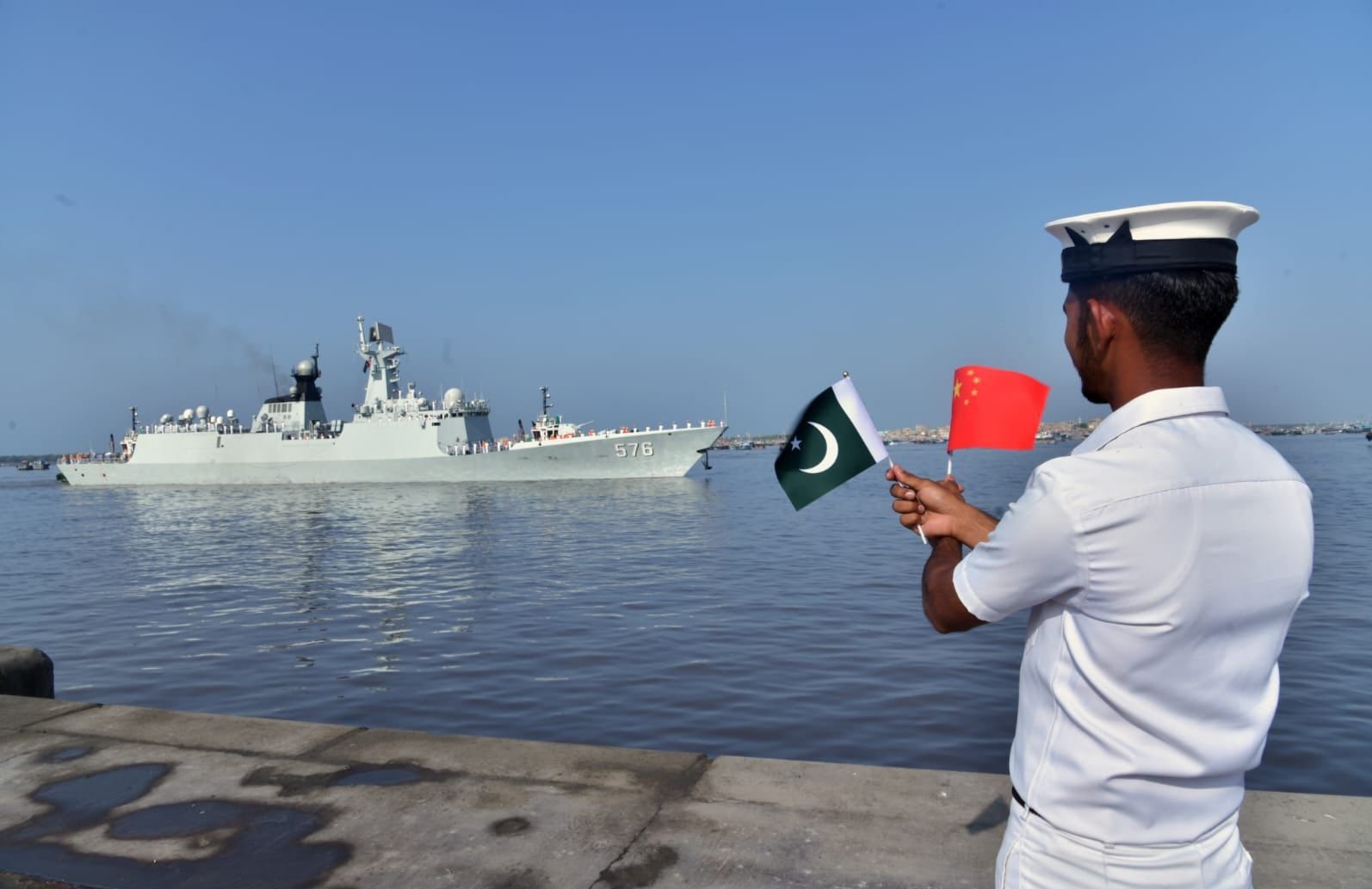
Confidence in Pakistan’s security and sovereignty is strengthened by the performance of its armed forces during tensions with India, where calibrated and decisive actions such as surgical strikes and aerial engagements demonstrated readiness and professionalism, reassured citizens, justified defense spending as an investment in peace, and reinforced the belief that the military safeguards the nation’s ideals while strengthening deterrence and regional respect. This military strength supports the broader objective of realizing Iqbal’s vision of a society where Muslims live with honor and Jinnah’s goal of a democratic, progressive, and just state that serves as a beacon for the Muslim Ummah. Pakistan’s integrated defense—from strategic planning at GHQ and vigilance at the LOC to advanced air defense systems and naval protection of sea lanes—has increased its diplomatic weight, leading to greater consultation on regional peace, the Afghan peace process, trade and energy opportunities, and principled positions such as Kashmir while also expanding economic diplomacy. At the same time, escalating tensions between Iran and the US-Israel axis create risks for the region, highlighting the need for Pakistan to strengthen internal unity and preparedness because instability in the Middle East affects border security, strategic assets, energy supplies, and the expatriate community in the Gulf. The situation underscores that national security depends on self-reliance and cohesion, making Pakistan Day a reminder that internal divisions, political chaos, and social fragmentation weaken national resilience, while unity among the country’s 250 million citizens—demonstrated during conflicts with India when the public supported the armed forces across political and ethnic lines—remains the country’s greatest strength and reflects Quaid-e-Azam’s assertion that Muslims of the subcontinent constitute a distinct nation with their own culture, traditions, laws, values, and outlook on life.
As the flags are hoisted and the national anthem echoes through the streets on Pakistan Day, it is this profound realization that fills every heart with pride. It is a pride in the past, for the sacrifices of those who gave their today for our tomorrow. It is a pride in the present, for the men and women in uniform who stand guard, ready to sacrifice their lives for the safety of the nation. And it is a hope for the future, a belief that the Pakistan of tomorrow will be even stronger, more prosperous, and more united. The Quaid’s vision was not just of a free country, but of a state where the rule of law would prevail, where the weakest and the poorest would have access to justice, and where the state would function as a trustee for its citizens. The journey towards that ideal is long, but the foundational strength—the sovereignty and security of the state—has been secured. The recent geopolitical upheavals, the direct conflicts, and the looming threats have all served to burnish this core strength. They have reminded the world, and more importantly, they have reminded us, that Pakistan is not a failed state waiting to happen, but a resilient nation that has repeatedly defied doomsday predictions. It is a nation that, from the ashes of tragedy and the fog of uncertainty, has consistently risen, phoenix-like, to assert its identity.
The narrative of Pakistan being a dangerous place is being replaced by the reality of Pakistan being a place of dangerous people—dangerous to those who wish it harm. The voice of Pakistan, once a whisper in the corridors of global power, is now a confident assertion. It speaks for peace, but from a position of strength. It advocates for dialogue, but with the assurance that it is not speaking from weakness. It engages in diplomacy, but with a red line drawn around its sovereignty that no one dares to cross. The Iran-US-Israel conflict serves as a geopolitical pressure test, and Pakistan’s response has been one of calibrated maturity. It has called for restraint, offered mediation, and prioritized the safety of its own borders. This is the hallmark of a responsible nuclear power—a nation that understands its strategic depth and its responsibilities. It is a reminder that Pakistan’s defense is not just about reacting to threats, but about anticipating them, creating deterrence, and ensuring that its national interests are safeguarded in any regional or global realignment.
Allama Iqbal, the dreamer of Pakistan, envisioned a destination where the Muslims would find their destiny. Quaid-e-Azam, the architect, gave that dream a map and a constitution. Today, the people of Pakistan, the inheritors of this dream, are its guardians. The recent years have proven that this guardianship is in safe hands. The nation has faced the challenges of war and peace with equal fortitude. The valor of the armed forces, the resilience of the civil society, the vibrancy of the media, and the unwavering faith of the masses have all contributed to making Pakistan a bastion of strength in a turbulent world. As the sun sets on another Pakistan Day, it leaves behind not just the memories of a parade, but a renewed sense of purpose. It leaves a nation more convinced than ever that its foundations are deep, its defenses are robust, and its future is bright. The conflicts with India have been a crucible, and from that fire, Pakistan has emerged not as burnt metal, but as refined steel. The regional wars are a stark backdrop, but against that dark horizon, the silhouette of Pakistan is that of a sentinel—watchful, strong, and unyielding. This Pakistan Day is, therefore, more than a celebration; it is a declaration. A declaration to the world and to ourselves: that the dream of Allama Iqbal and the vision of Quaid-e-Azam is not just safe, it is sovereign; it is not just alive, it is thriving; and it is not just strong, it is unbreakable. The pride of today is the foundation of tomorrow’s glory, and on this day, every Pakistani stands a little taller, knowing that they belong to a nation that has proven its mettle and is destined for greatness.


 Today's E-Paper