
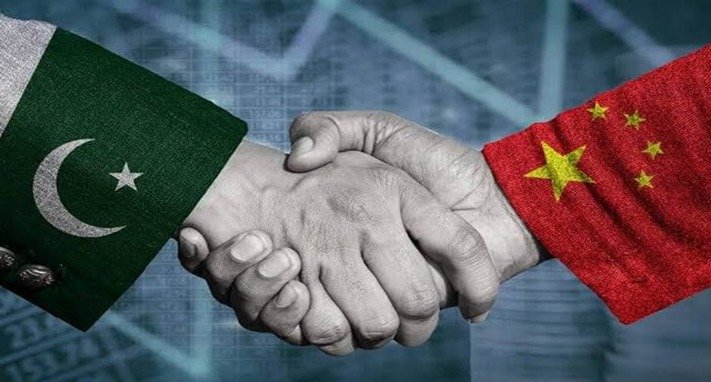
ISLAMABAD, November 10, 2026: Pakistan and China have strengthened their economic engagement through 34 memorandums of understanding (MoUs) and agreements reached at the Sindh Investment Conference in Shanghai, focusing on industrial cooperation, technology transfer and export-oriented manufacturing under the second phase of the China-Pakistan Economic Corridor (CPEC 2.0).
The agreements, reached during the October 15 conference, cover energy, minerals, electric vehicles, automotive manufacturing, artificial intelligence, cloud computing, agriculture, food processing, logistics and warehousing.
Organised by the Sindh Investment Department in collaboration with Pakistan’s Consulate General in Shanghai, the conference brought together representatives of more than 100 Pakistani and Chinese companies.
The arrangements included 10 government-to-government and 24 business-to-business agreements aimed at encouraging investment partnerships and industrial collaboration.
Speaking to Wealth Pakistan, Tahir Jamal, former adviser to the Islamabad Chamber of Commerce and Industry (ICCI), said the agreements could help connect Chinese investors directly with Pakistani manufacturers and support long-term industrial development.
He emphasised that foreign investment should contribute to domestic production, technology transfer, employment generation and export growth rather than remain limited to financial commitments.
Jamal identified textiles, information technology, food processing and light engineering as sectors where Pakistani businesses could integrate into Chinese and international supply chains.
He said opportunities existed in man-made fibre garments, technical textiles, value-added apparel, automotive components, electrical equipment and industrial machinery.
According to Jamal, Chinese manufacturers could provide advanced technology and access to global markets, while Pakistani companies could contribute local manufacturing facilities, skilled workers and market expertise.
He stressed the importance of developing local suppliers and increasing domestic content in industrial projects, particularly those operating within special economic zones.
However, he cautioned that inconsistent policies, infrastructure delays and bureaucratic procedures continued to affect investor confidence.
A Trade Development Authority of Pakistan (TDAP) official, speaking on condition of anonymity, said the Shanghai agreements reflected growing Chinese business interest in Pakistan’s investment opportunities.
The official said sustained engagement, effective investment facilitation and regular communication with investors would be essential for converting the agreements into commercially viable projects.
The official also highlighted the role of the Special Investment Facilitation Council (SIFC) in supporting investment processes and strengthening engagement with international investors.
The Shanghai initiative reflects the broader direction of CPEC 2.0, which places greater emphasis on industrial development, private-sector cooperation, technology transfer and export competitiveness.
While the agreements signal opportunities for deeper Pakistan-China economic cooperation, their long-term impact will depend on successful implementation, operational joint ventures and stronger integration of Pakistani businesses into international supply chains.