
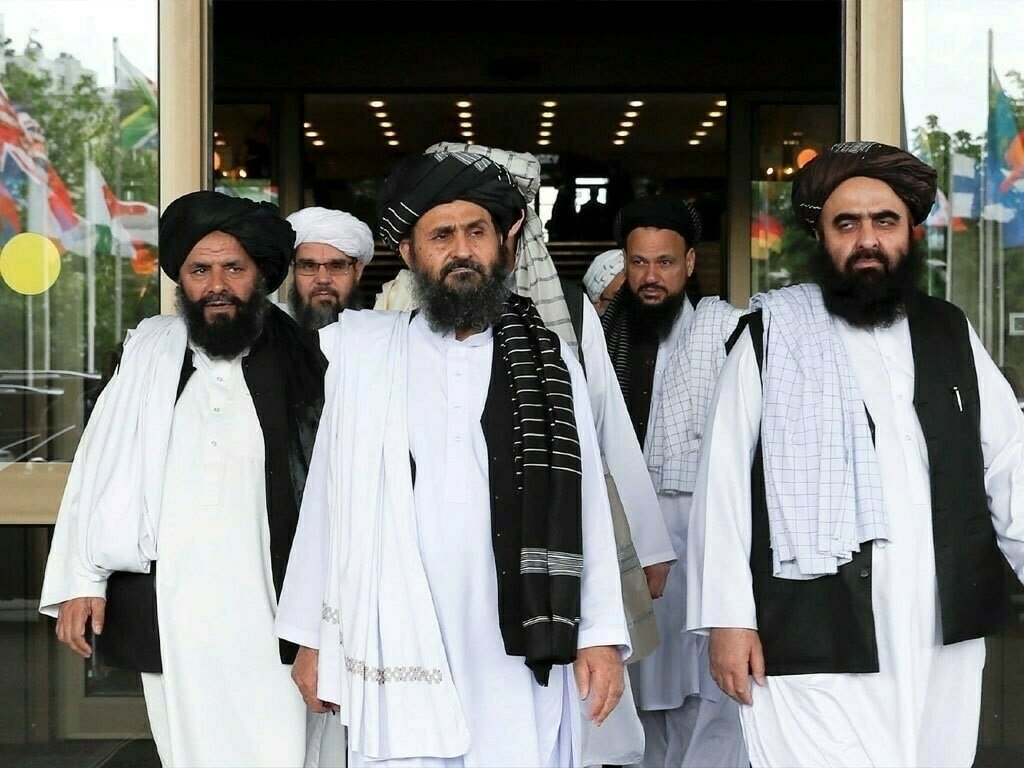
ISLAMABAD — Pakistan’s Foreign Office has confirmed that the third round of negotiations with the Afghan Taliban is currently underway in Istanbul, with mediators from Turkiye and Qatar facilitating the dialogue. The talks, aimed at easing tensions and curbing cross-border terrorism, follow a series of earlier engagements that have seen both progress and setbacks.
Pakistan Reaffirms Its Stance on Cross-Border Terrorism
Foreign Office Spokesperson Tahir Hussain Andarabi, addressing a weekly media briefing, emphasized that Pakistan’s position remains firm and rooted in international law: Afghan soil must not be used for terrorism against any country. He stated that Islamabad has presented a set of “evidence-based, justified, and logical” demands to the mediators, which are now being discussed point by point with the Taliban delegation. According to Andarabi, the mediators have fully endorsed Pakistan’s stance, lending credibility to the process and reinforcing the urgency of addressing cross-border security concerns.
Border Clashes at Chaman Add Urgency to Dialogue
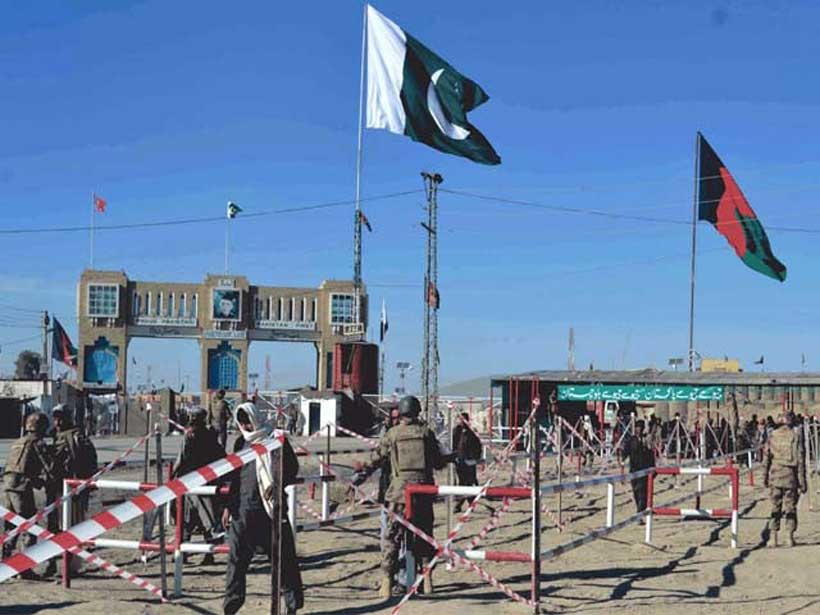
The Istanbul talks come in the wake of recent deadly clashes at the Chaman border crossing, which Pakistan attributes to unprovoked aggression from Afghan forces. In a statement issued by the Ministry of Information and Broadcasting, Islamabad clarified that Pakistani security personnel responded “in a measured and responsible manner,” and that the situation was swiftly brought under control. The ceasefire, agreed upon in earlier rounds of dialogue, remains intact, and Pakistan has reiterated its commitment to resolving border disputes through diplomatic channels.
Third Round of Talks Builds on Fragile Progress
This latest round of talks began on Thursday and builds upon previous efforts, including a five-day negotiation period that led to an interim agreement. The second round, held in late October, collapsed after Pakistan rejected what it described as “illogical” arguments from the Taliban side. However, persistent mediation efforts persuaded Islamabad to re-engage, resulting in a renewed commitment to dialogue and a joint understanding to uphold the ceasefire. A communique issued by the Turkish foreign ministry confirmed that all parties had agreed to establish a monitoring and verification mechanism to ensure compliance and penalize violations.
Foreign Office Urges Public to Ignore Speculative Claims
Amid the ongoing negotiations, the Foreign Office has urged the public and media to disregard speculative claims circulating on social media, particularly those originating from Afghan-linked accounts. Andarabi dismissed such narratives as either baseless or deliberate disinformation, reaffirming that the dialogue is progressing constructively under the supervision of trusted mediators.
Pakistan Highlights Broader Foreign Policy Priorities
Beyond the immediate security concerns, Pakistan used the briefing to reiterate its broader foreign policy priorities. Andarabi underscored Islamabad’s firm stance on the Indus Waters Treaty, warning that any violations would be unacceptable given the treaty’s critical importance to national water security, during the talks. He also condemned Israel’s continued breaches of the Gaza ceasefire, voicing Pakistan’s support for the Gaza Peace Initiative and calling for lasting regional stability.
Kashmir, Regional Engagements Dominate Diplomatic Agenda
The spokesperson further highlighted Pakistan’s unwavering support for the people of Indian Illegally Occupied Jammu and Kashmir, who continue to face state-sponsored oppression. President Asif Ali Zardari recently addressed the Doha Conference, reaffirming Pakistan’s position on Kashmir and engaging with global leaders to build consensus on the issue. Meanwhile, Prime Minister Shehbaz Sharif is in Azerbaijan to attend the country’s Victory Day celebrations, and Deputy Prime Minister Ishaq Dar visited Istanbul earlier this month to discuss bilateral and regional matters, including the ongoing dialogue with the Afghan Taliban.
Talks in Istanbul Could Shape Future of Regional Security
As the Istanbul talks continue, Pakistan remains focused on securing its borders, advancing regional peace, and upholding its diplomatic principles. The outcome of these negotiations could shape the trajectory of Pakistan-Afghanistan relations and determine the future of cross-border security cooperation in a region long plagued by instability.
Read more news here: https://thepublicpurview.com/category/pakistan-news/
For climate-related stories, visit: The Green Post


 Today's E-Paper