
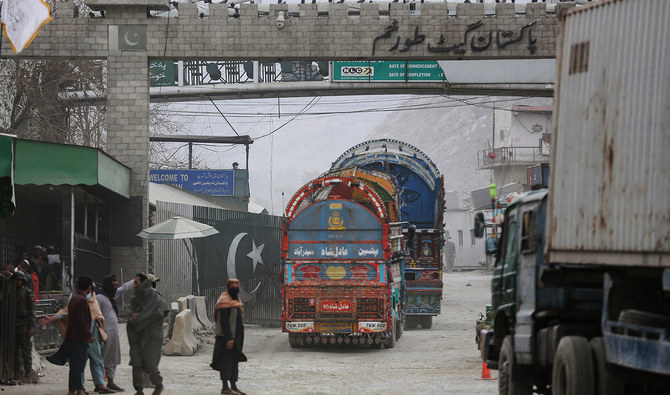
ISLAMABAD — Pakistan and the Afghan Taliban are set to reconvene in Istanbul on Thursday for the second round of high-stakes negotiations aimed at finalizing a ceasefire framework and enhancing counterterrorism cooperation. The dialogue, facilitated by Türkiye and Qatar, marks a critical step in efforts to stabilize the volatile border region and address Islamabad’s growing concerns over cross-border militancy.
According to diplomatic sources familiar with the matter, the upcoming session will focus on hammering out the operational details of a ceasefire enforcement mechanism. The talks are being held under a previously agreed schedule, and both sides are expected to reaffirm their commitment to curbing violence and preventing the use of Afghan territory for attacks against Pakistan.
Delegation Dynamics and High-Level Participation
The composition of the Pakistani delegation will be determined by the level of representation from the Afghan side. If the Taliban delegation includes a senior cabinet member, Pakistan’s Defence Minister Khawaja Asif is likely to join the talks in person. Regardless of the final lineup, Pakistan’s National Security Adviser will be part of the core team, underscoring the strategic importance Islamabad places on the dialogue.
Officials say Pakistan will deliver a firm message: that its national security cannot be compromised by militant activity emanating from Afghan soil. The country is expected to press for concrete assurances and accountability mechanisms to prevent future violations.
Background: From Escalation to Engagement
Tensions between the two neighbors flared last month following a series of cross-border attacks on October 11, which Islamabad attributed to militants operating from Afghanistan. The spike in hostilities prompted urgent diplomatic engagement, culminating in a ceasefire agreement brokered in Doha on October 19. That breakthrough laid the groundwork for the Istanbul process, with Türkiye and Qatar playing key mediating roles.
The first round of Istanbul talks resulted in a preliminary understanding to uphold the ceasefire and establish a joint verification mechanism. The goal is to monitor compliance and impose consequences on any party found violating the terms. The second round is expected to build on that foundation, with both sides aiming to finalize the structure, scope, and enforcement protocols of the agreement.
Strategic Stakes and Regional Implications
For Pakistan, the stakes are high. The country has long accused elements within Afghanistan of harboring or turning a blind eye to groups responsible for attacks inside its borders. Islamabad views a robust ceasefire and counterterrorism framework as essential not only for border security but also for broader regional stability.
The Taliban, meanwhile, are under increasing international pressure to demonstrate that they can govern responsibly and prevent Afghan territory from becoming a launchpad for transnational militancy. Engaging with Pakistan on these issues offers the Taliban an opportunity to show diplomatic maturity and a willingness to cooperate on regional security.
Türkiye and Qatar’s Role as Mediators
The involvement of Türkiye and Qatar has been instrumental in bringing both parties to the table. Ankara’s diplomatic outreach and Doha’s history of hosting Afghan peace talks have created a neutral platform for dialogue. The Turkish Ministry of Foreign Affairs, in a statement following the first round, confirmed that both sides had agreed to continue the ceasefire and finalize its implementation roadmap during the November 6 session.
Looking Ahead: A Fragile but Crucial Opportunity
While the road ahead remains uncertain, the Istanbul talks represent a rare window for constructive engagement between Pakistan and the Afghan Taliban. If successful, the negotiations could pave the way for a more stable border environment and reduce the risk of further escalation.
Observers note that the outcome of this round of ceasefire talks could set the tone for future cooperation — or confrontation — between the two sides. With regional security hanging in the balance, the world will be watching closely as Islamabad and Kabul attempt to turn a fragile truce into a lasting framework for peace.
Read more related news here: https://thepublicpurview.com/category/topstories/
For climate-related stories, visit: The Green Post





 Today's E-Paper