
In Pakistan, TikTok is no longer just a social media application. It has evolved into a serious social crisis, a digital phenomenon that is silently eroding moral values, disrupting education, damaging mental health, and weakening the family structure. What makes this situation even more alarming is the visible absence of a strong, consistent, and effective state response.
TikTok was originally launched as a platform for creativity and positive self-expression. However, in Pakistan, its use has largely drifted toward obscenity, abusive language, reckless behavior, weapon display, and morally degrading content. The rise of TikTok Live and PK (player knockout) culture has turned indecency into a business, where views, likes, and digital gifts are exchanged at the cost of dignity and self-respect.
The most disturbing aspect is the massive presence of underage users. A significant number of children below the age of 18 are actively using the platform, which is not only a moral concern but also a clear violation of platform rules and child protection norms. School and college students are increasingly drifting away from books and classrooms, becoming prisoners of mobile screens. Parents now hesitate to open TikTok in front of their children, as the platform has become unsuitable for family environments.
Women and young girls have emerged as the biggest victims of this digital chaos. In the pursuit of fame and quick income, many girls were lured away from family systems, some even shifting to hostels, causing severe social pressure and reputational damage to families. Divorced women, driven by financial desperation or false promises, were pushed into content creation, only to face blackmail, leaked videos, psychological exploitation, and social isolation.
In several cases, the consequences went far beyond social embarrassment. Incidents of violence linked to “honor,” intense psychological pressure, and irreversible personal tragedies have surfaced, exposing a collective failure of society, institutions, and regulatory mechanisms.
Statistics further reveal the depth of this crisis. In the first quarter of the year, TikTok removed approximately 7.3 million accounts globally suspected of belonging to underage users. Alarmingly, around 6.5 million removed videos were from Pakistani TikTok creators.
According to TikTok’s own transparency reports, Pakistan ranks second globally in terms of removed content, with 6,495,992 videos deleted for violating community guidelines. The United States tops the list with over 8.5 million removed videos, followed by Brazil, Russia, and Indonesia.
Even more concerning is the recent report stating that during Q3 of fiscal year 2025–26 (July to September), TikTok removed over 28.1 million videos in Pakistan alone due to violations of community standards. These figures clearly indicate how widespread harmful and low-quality content has become on the platform.
The judiciary has already acknowledged the seriousness of the issue.
The Peshawar High Court has, on two occasions, ordered bans on TikTok, leading to temporary shutdowns. However, in the absence of a comprehensive regulatory framework, the app was restored, turning these actions into short-term fixes rather than long-term solutions.
Globally, many countries have taken far more decisive steps. India (since June 2020), Afghanistan, Iran, and Somalia have imposed complete bans on TikTok. Meanwhile, countries such as the United States, Canada, the United Kingdom, Australia, New Zealand, Taiwan, and the European Commission have banned the app on government-issued devices due to security and ethical concerns. If developed nations consider TikTok a threat to their systems, its impact on a fragile social fabric like Pakistan’s should be taken even more seriously.
On a provincial level, the role of Khyber Pakhtunkhwa Police deserves acknowledgment. Actions against TikTok creators promoting obscenity, weapon culture, and abusive behavior have sent a clear message. Arrests were made in Swabi, Mardan, Peshawar, Mansehra, Swat, and other districts following public complaints.
In Swabi, police arrested a TikToker for creating obscene videos while wearing women’s clothing and using vulgar songs. In Mansehra, a man was taken into custody for abusive language during a TikTok Live session. In Swat, a transgender TikToker was arrested for uploading objectionable content filmed at a public location. Police officials stated that the accused admitted their actions and pledged not to repeat such behavior.
Despite these efforts, isolated crackdowns cannot resolve a nationwide digital crisis. Without a clear, unified national policy, such actions will remain symbolic rather than transformative.
The harsh reality is that young people, particularly those between 18 and 25 years of age, are unwilling to disengage from TikTok. The obsession with views, likes, and viral fame has blinded many to the long-term consequences, pushing them to compromise their dignity, future, and family reputation.
The Government of Pakistan, regulatory authorities, and law-enforcement agencies must move beyond temporary bans and issue-based reactions. There is an urgent need for a strict and transparent regulatory framework, including a complete ban on underage users, strong monitoring of live features, and immediate action against repeat offenders.
At the same time, positive alternatives must be created. Youth should be guided toward digital skills, freelancing, online entrepreneurship, and productive IT-based projects so they can earn a respectable livelihood without sacrificing their values.
This is not merely a debate about TikTok. It is a question about Pakistan’s future, its moral compass, and the generation that will shape tomorrow. If decisive action is not taken today, we risk raising a generation equipped with smartphones but devoid of character, purpose, and direction.
The choice still exists, but time is running out.

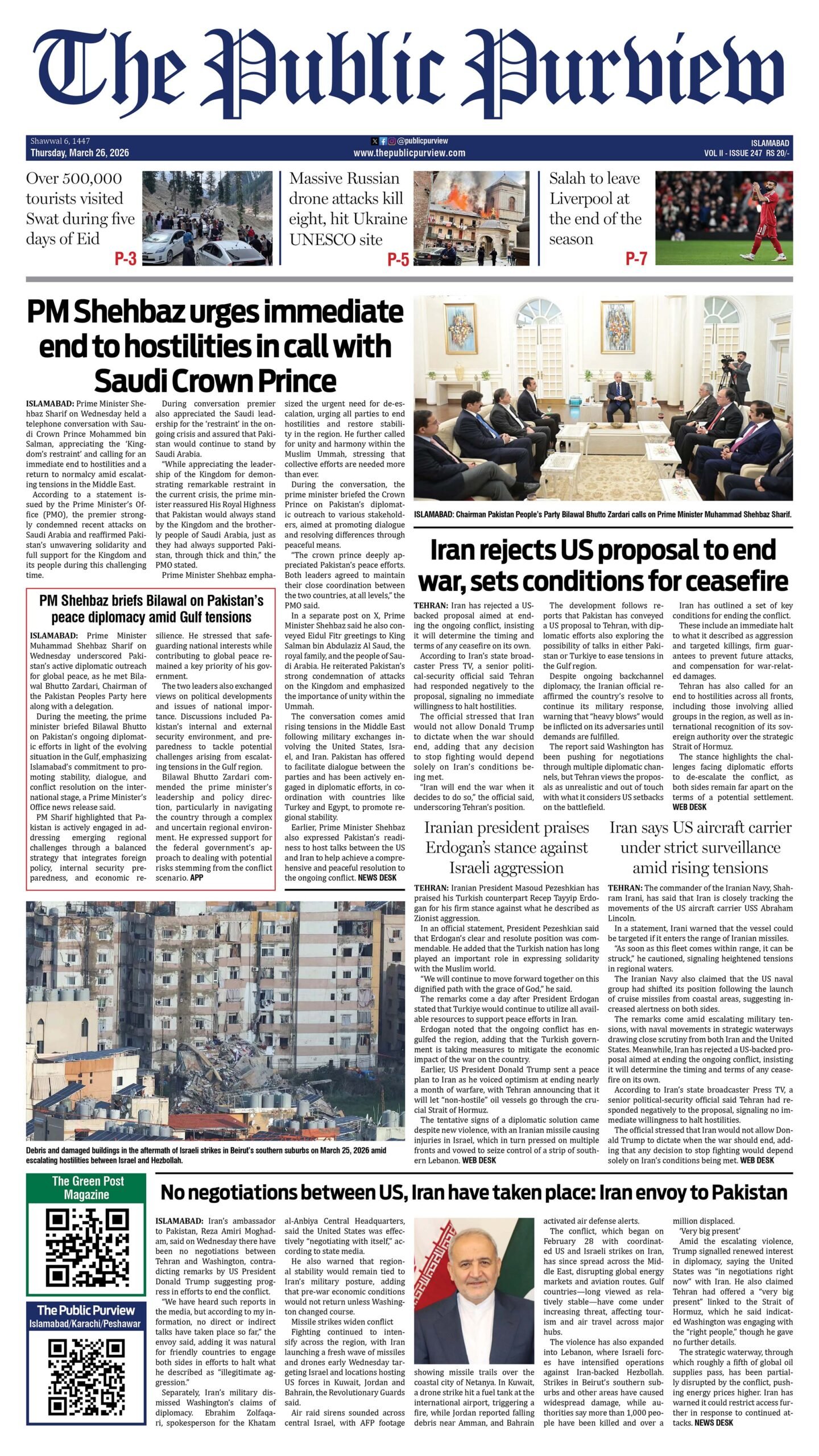 Today's E-Paper