
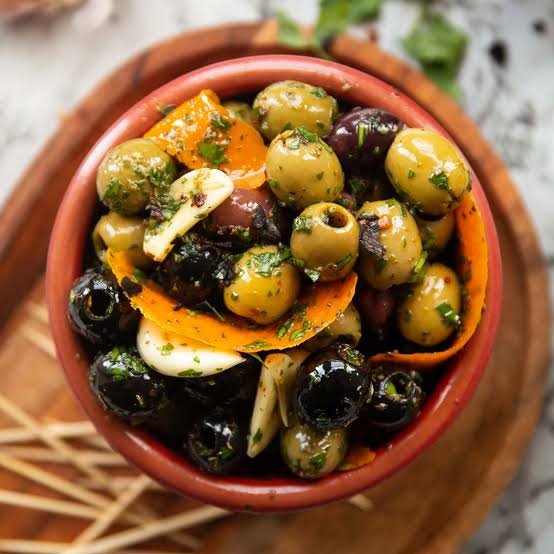
Olives are widely recognised as a nutritious food, offering healthy fats, antioxidants and beneficial plant compounds that can support overall health when included in a balanced diet.
Eating a few olives regularly may benefit heart health, provide antioxidant protection and contribute to normal digestive function. However, the benefits depend on the overall diet, portion size and the type of olives consumed.
1. Supports Heart Health
Olives contain monounsaturated fats, particularly oleic acid, which can be beneficial for cardiovascular health when used instead of foods rich in saturated fats.
They also contain antioxidant compounds that may help protect cells from oxidative damage. Including olives as part of a balanced eating pattern can contribute to a heart-friendly diet.
2. Provides Antioxidants
Olives contain polyphenols and vitamin E, which have antioxidant properties.
These compounds help protect the body’s cells from oxidative stress, a process associated with cellular damage. Antioxidants are an important part of a varied diet that includes fruits, vegetables, nuts and other plant foods.
3. Contributes to Digestive Health
Whole olives provide some dietary fibre, which supports normal bowel function and digestive health.
However, olives contain relatively modest amounts of fibre, so they should be combined with other fibre-rich foods such as vegetables, fruits, legumes and whole grains.
4. Offers Beneficial Nutrients
Olives provide healthy fats and small amounts of nutrients and plant compounds that contribute to a balanced diet. Their fats can also help the body absorb fat-soluble vitamins from other foods eaten alongside them.
How Can You Add Olives to Your Daily Diet?
Olives can easily be included in everyday meals:
Add a few olives to salads.
Serve them alongside sandwiches or whole-grain bread.
Include them in vegetable dishes or Mediterranean-style meals.
Choose less salty varieties when available.
An important precaution: Many commercially prepared olives contain significant amounts of sodium because they are preserved in brine. People with high blood pressure or those advised to limit sodium should check product labels, control portions and consider rinsing olives before eating them.
Eating olives does not guarantee protection against heart disease or other illnesses. Their benefits are best understood as part of an overall healthy lifestyle that includes a balanced diet and regular physical activity.