
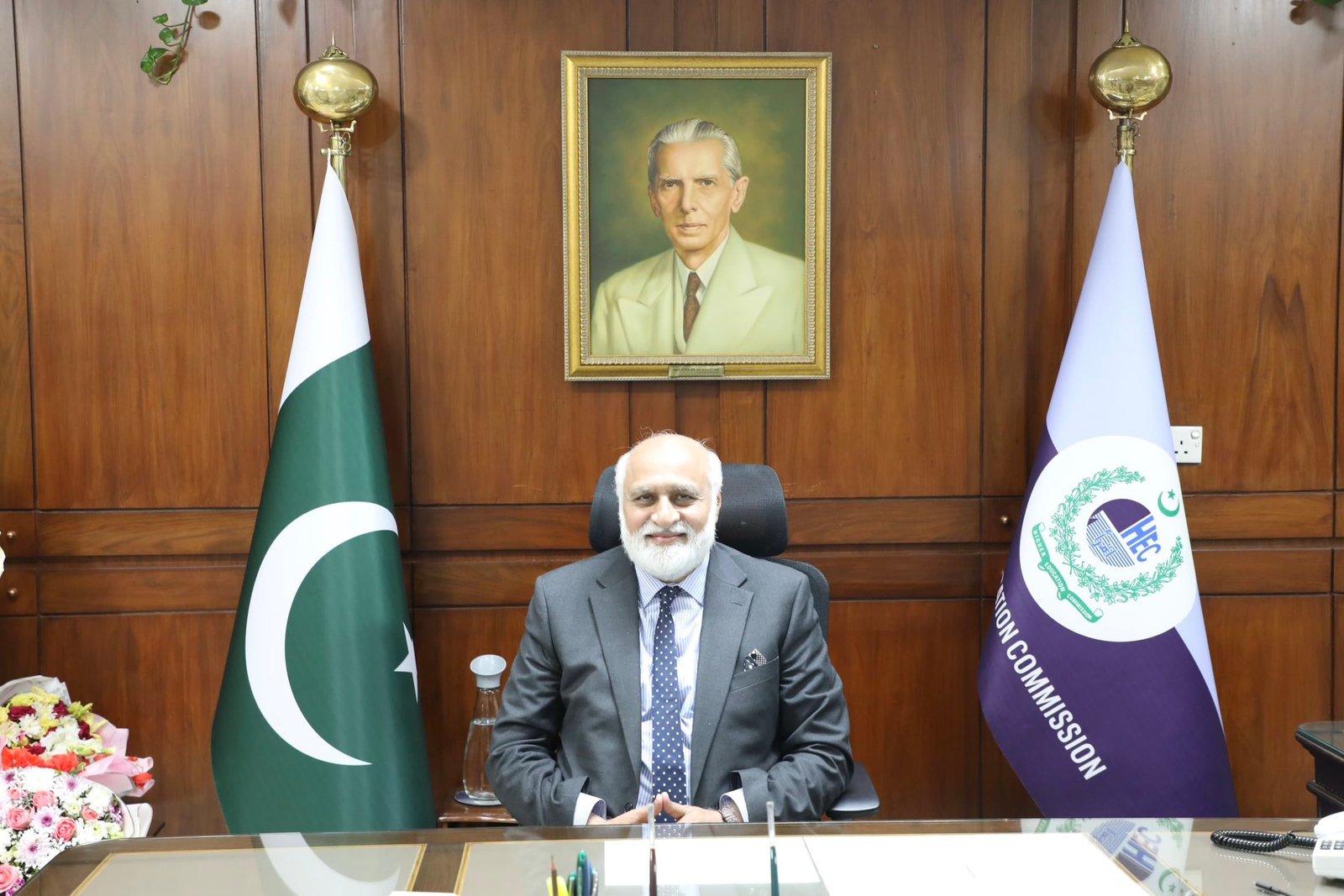
Prime Minister Shehbaz Sharif has appointed Prof. Dr. Niaz Ahmad Akhtar, a Sitara-i-Imtiaz recipient, as Chairman of the Higher Education Commission (HEC) for a two-year term, filling a position that had remained vacant since July 2025.
The appointment places one of Pakistan’s most experienced educationists at the helm of the country’s higher education regulator at a time when universities are facing funding constraints, quality assurance challenges, and growing pressure to align with global academic standards.
Also Read: HEC launches free national skills competency test for Final Year IT students
Prof. Akhtar brings more than 35 years of experience in higher education leadership, teaching, and research. Over the course of his career, he has served as vice chancellor of six major public sector universities, including Quaid-i-Azam University, one of Pakistan’s top-ranked institutions. His tenure at these universities is widely associated with academic restructuring, faculty development, and governance reforms.
In academic circles, Prof. Akhtar is known for his strong background in university administration and policy formulation. Colleagues and education experts have welcomed his appointment, expressing hope that his leadership will help address long-standing issues such as sustainable funding models, research output, faculty retention, and the overall quality of higher education in Pakistan.
The Higher Education Commission plays a central role in regulating universities, allocating funds, accrediting degree programmes, and shaping national higher education policy. Observers note that Prof. Akhtar’s appointment comes at a critical juncture, as the sector navigates financial pressures while also responding to demands for innovation, digital transformation, and international collaboration.
With his extensive administrative experience and familiarity with Pakistan’s public university system, Prof. Dr. Niaz Ahmad Akhtar is expected to play a key role in steering reforms aimed at strengthening academic standards and restoring confidence in the country’s higher education framework.


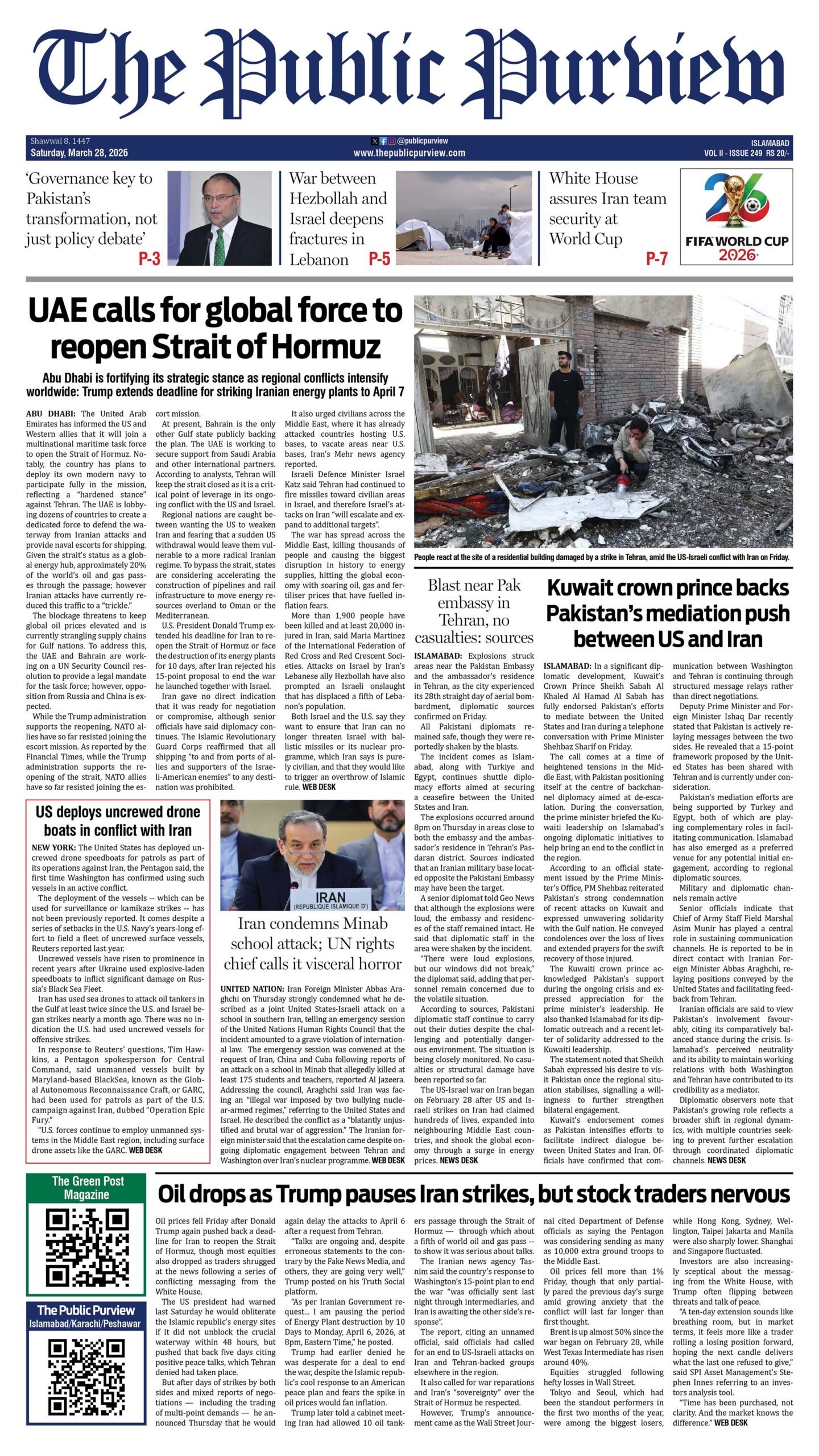 Today's E-Paper