
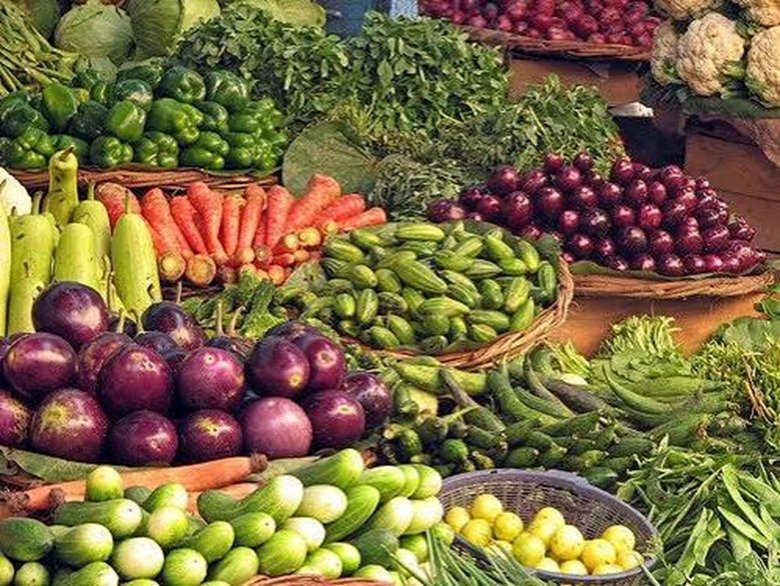
LAHORE, Sept 8: Successive spells of monsoon rain across Punjab have disrupted vegetable harvesting and transportation, sharply reducing supplies to major markets and pushing up prices of several kitchen staples.
The supply disruption has affected consumers across the province, with traders reporting substantial increases in the prices of coriander, tomatoes, chilies, mint, lemons, garlic and onions. Damaged crops and roads have also slowed the movement of fresh produce from farms to urban markets.
Saddam Athar Khan, central information secretary of the All Pakistan Agricultural Produce Traders Federation (APAPTF), said heavy rains during July and August had significantly affected vegetable picking and transportation.
Speaking to Wealth Pakistan, Khan said the number of trucks reaching vegetable markets had fallen by around half because of reduced harvesting and crop damage caused by torrential rain and hailstorms.
He added that damage to rural roads had further delayed the transportation of vegetables to major market hubs, including Lahore.
The resulting supply shortage has pushed prices sharply higher. Khan said coriander had reached Rs1,000 per kilogram, while tomatoes were selling for around Rs400 per kilogram this year because of reduced supplies.
Prices of potatoes, cauliflower, cabbage, bitter gourd, okra, eggplant, tomatoes and peas have also increased, according to traders.
Khan, however, expected vegetable prices to ease significantly over the next two weeks as rainfall becomes less frequent and supplies improve.
He also pointed to weak enforcement by government agencies as another factor behind the gap between official and retail prices.
According to Khan, the difference between government-issued price lists and actual open-market rates sometimes exceeds 100 percent.
Climate pressures add to production challenges
Ghazanfar Hammad, director of the Vegetable Research Institute (VRI), Faisalabad, said monsoon rainfall was aggravating wider challenges facing vegetable production in Punjab.
“Climate change is a primary driver behind the decrease in vegetable production in Punjab and is responsible for a substantial share of yield losses,” Hammad said.
Speaking to Wealth Pakistan, he said rising temperatures, unseasonal heatwaves and irregular rainfall were disrupting critical stages of vegetable growth, including flowering and maturity.
Higher agricultural input costs have added to the pressure on growers. Hammad said increases in the prices of seeds, fertilisers and pesticides, combined with higher transportation costs, were contributing to rising vegetable prices.
He said guaranteed prices for agricultural produce could help farmers achieve more sustainable production.
Hammad also suggested kitchen gardening as one possible way to supplement vegetable supplies, although he noted that it requires cultivation knowledge, adequate space and access to water.
Tunnel farming could also increase vegetable production, he said, but price volatility remains a major challenge for farmers considering the relatively high cost of tunnel-based cultivation.
“Stable and remunerative prices are essential for the sustainable adoption of tunnel farming,” the VRI director said.