
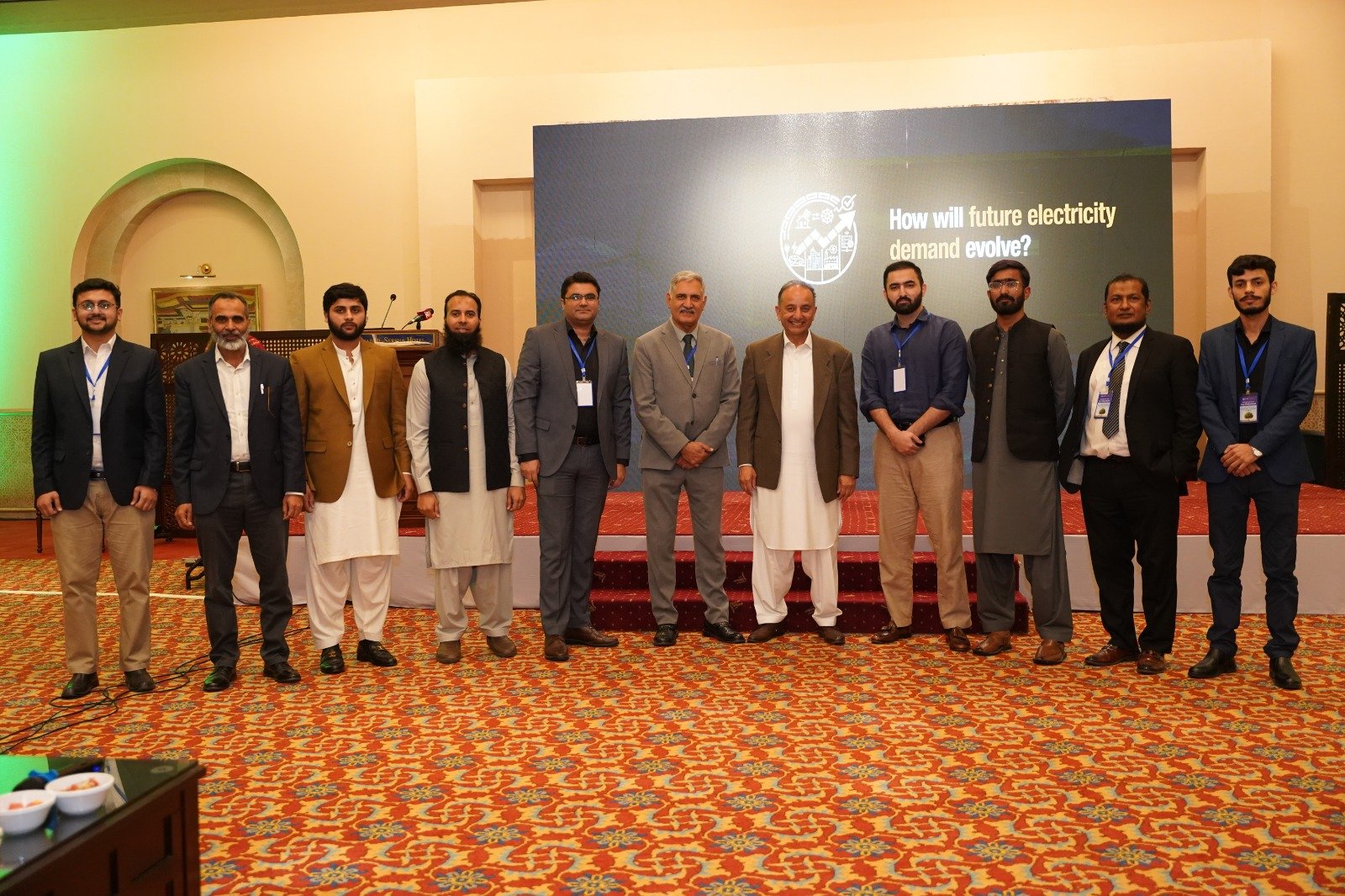
ISLAMABAD, Mar 12: A new technical study by the LUMS Energy Institute says Pakistan could transition to a largely fossil-free electricity system by 2040 while maintaining affordability, reliability and long-term energy security.
The report, titled “The Net Zero Transition: A Pathway to Clean and Sustainable Electricity by 2040,” uses detailed power-system modelling, demand forecasts and generation optimisation to outline how Pakistan can significantly reduce carbon emissions through expanded renewable energy, battery storage and grid modernisation.
Fossil fuel use could drop sharply
The study finds that fossil fuel generation — which currently accounts for nearly half of Pakistan’s electricity supply — could fall to below one percent by 2040 if renewable energy capacity expands alongside improvements in energy storage and transmission infrastructure.
Researchers estimate the transition could prevent around 78 million tonnes of carbon emissions, positioning the power sector as a key contributor to Pakistan’s climate and sustainability goals.
Solar growth reshaping electricity demand
According to the analysis, rapid growth in distributed solar energy is already changing the country’s electricity demand patterns. As rooftop and decentralised solar generation expands, daytime reliance on grid electricity is expected to decline significantly.
The study projects that minimum system demand could fall to around 3,000 megawatts during certain periods despite an overall rise in electricity consumption. Researchers say this shift will require improved grid flexibility, expanded storage capacity and stronger demand-side management to maintain system stability.
Roadmap for renewable expansion
The report proposes a 15-year roadmap for expanding power generation and transmission capacity. The plan includes approximately 8,500 MW of solar power, 14,000 MW of wind energy, and 7,000 MW / 42,000 MWh of battery energy storage supported by transmission grid upgrades.
Total investment required for grid reinforcement is estimated at $5.5 billion, with a present value of about $1.9 billion. According to the modelling, the transition is technically feasible while maintaining power system reliability even with high levels of renewable energy.
Researchers also noted that expanding domestic renewable resources could reduce Pakistan’s reliance on imported fossil fuels and limit exposure to global energy price fluctuations.
Policy and investment implications
Speaking at the report launch, Shaista Pervaiz Malik, Member of the National Assembly and convenor of the parliamentary task force on Sustainable Development Goals, said research-based policy planning is essential for advancing Pakistan’s energy transition.
She noted that aligning grid modernisation and renewable expansion with the country’s commitments under the United Nations Sustainable Development Goals can strengthen long-term energy security.
Musadik Malik highlighted Pakistan’s natural potential in hydropower, solar and wind energy and emphasised the importance of evidence-based strategies to guide the country toward a stable and affordable energy system.
Meanwhile, Fiaz Ahmad Chaudhry, senior adviser at the LUMS Energy Institute and chairman of the National Grid Company of Pakistan, said the report provides a practical framework demonstrating that decarbonisation, energy security and economic efficiency can be pursued simultaneously through integrated planning.
The launch event was attended by policymakers, regulators and industry representatives, reflecting growing national focus on research-driven strategies for Pakistan’s long-term energy transition.





 Today's E-Paper