
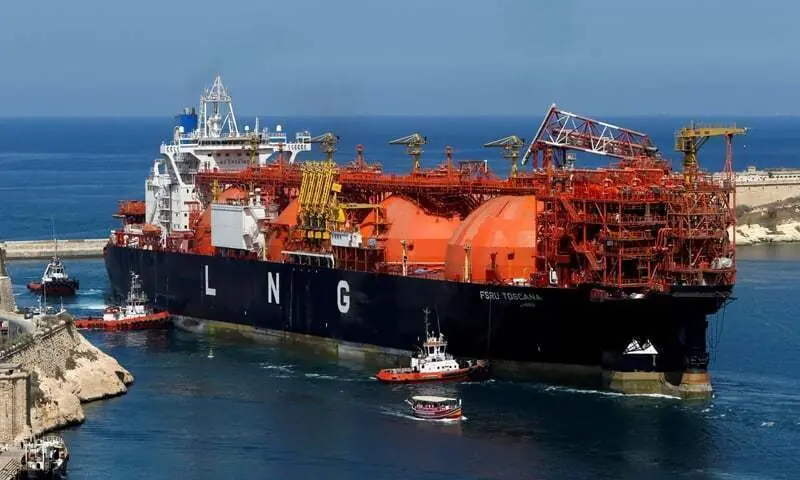
ISLAMABAD: Pakistan may face constraints in gas supply to the power sector later this month as liquefied natural gas (LNG) shipments are expected to be unavailable after April 14, officials informed a Senate committee during a briefing on the country’s energy situation.
The update was shared during a meeting of the Senate Standing Committee on Petroleum chaired by Senator Manzoor Ahmed, where officials reviewed petroleum product availability and price trends amid disruptions linked to tensions in the Middle East.
Officials from the Ministry of Energy (Petroleum Division) told the committee that regional instability has affected petroleum supply routes. Pakistan imports about 70 percent of its petroleum products from Middle Eastern countries, and shipping schedules have recently been disrupted.
Under normal conditions, oil shipments from Gulf countries reach Pakistan within four to five days. However, officials said current maritime movements have slowed, affecting supply timelines.
Global fuel prices surge
Committee members were also briefed on the sharp rise in international fuel prices. Officials said the price of high-speed diesel increased from about $88 per barrel to $187 per barrel, while petrol prices rose from around $74 per barrel to $130 per barrel.
During the discussion, Senator Manzoor Ahmed questioned whether the price increase was benefiting oil marketing companies. The petroleum secretary responded that price adjustments were intended to discourage fuel hoarding and ensure uninterrupted imports rather than favor specific companies.
Fuel reserves and supply priorities
Officials from the Oil and Gas Regulatory Authority told the committee that diesel prices have nearly doubled compared with earlier levels, while petrol prices have increased by roughly 70 percent.
The committee was also briefed on Pakistan’s current fuel reserves. According to officials, the country has crude oil reserves for about 11 days, diesel for 21 days, petrol for 27 days, liquefied petroleum gas (LPG) for nine days, and aviation fuel (JP-1) for around 14 days.
Authorities said domestic gas supply remains stable for households, which continue to receive top priority. Commercial consumers are supplied afterward, followed by other sectors depending on availability.
Officials also noted that Sui Southern Gas Company has reduced gas supply to a fertilizer plant by 50 percent, while gas supply to the power sector has declined from about 300 million cubic feet per day (MMCFD) to around 130 MMCFD.
The petroleum secretary told the committee that the government is also considering a relief package for motorcycle and rickshaw users to mitigate the impact of rising fuel prices.





 Today's E-Paper