
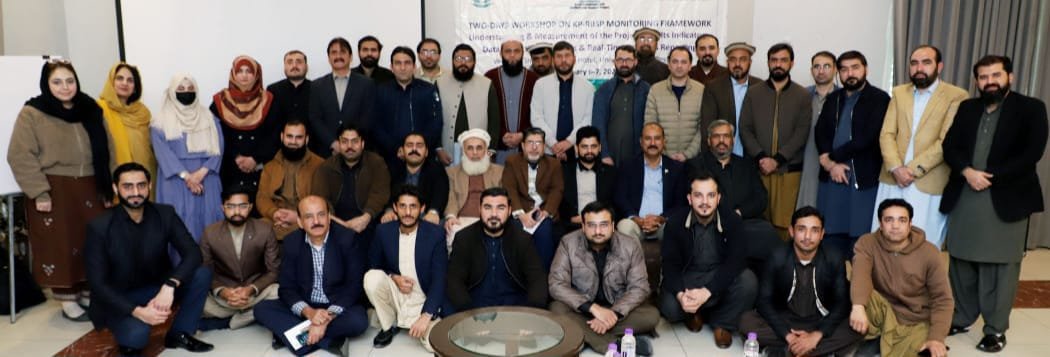
A two-day workshop on the Monitoring Framework of the Khyber Pakhtunkhwa Rural Investment and Institutional Support Project (KP-RIISP) was organized by the M&E Consultants – CSRD to strengthen institutional understanding of project results indicators, measurement protocols, and real-time monitoring mechanisms. KP-RIISP is a World Bank–supported project being implemented by the KP Government and designed to enhance service delivery, institutional capacity, and climate resilience in the newly merged districts of Khyber Pakhtunkhwa.
The workshop brought together Project Directors and technical staff from the Project Implementation Units (PIUs), Project Coordination and Management Unit (PCMU), P&DD, design & supervision consultants, and M&E teams to develop a common and harmonized understanding of the KP-RIISP Monitoring Framework. Dr. Muhammad Zulfiqar, Team Leader, welcomed the participants and elaborated on the aims and objectives of the workshop, emphasizing the critical role of a robust monitoring system in ensuring transparency, accountability, and results-oriented implementation of KP-RIISP. He highlighted the importance of real-time progress reporting, Dashboard architecture, and uniform understanding of indicators, data capture responsibilities, and verification mechanisms across all implementing departments.
Also Read: Every day in Khyber Pakhtunkhwa, an average of 7.6 women approach the police to report violence
Mr. Salman Khan, M&E Specialist (PCMU), provided a detailed overview of the M&E arrangements at the PCMU level, including the project results framework, real-time progress reporting mechanisms, and integration of monitoring tools with digital platforms. He underscored the need for consistent data flow from PIUs to enable evidence-based decision-making and adaptive management. Technical sessions were conducted by Mr. Nazir Malik, Ms. Nudrat, Mr. Muhammad Shahab, and Mr. Asif Marwat who delivered comprehensive presentations on indicator definitions, measurement methodologies, sources of verification, and departmental responsibilities for data capture and reporting.
These sessions facilitated interactive discussions and clarified practical challenges related to indicator tracking and reporting. The Project Directors of the PIUs from Agriculture, C&W, PHED, Irrigation and Local Government Departments presented updated progress, future plans, progress reporting formats, activities vs beneficiaries and key challenges pertaining to their respective components under KP-RIISP. The discussions provided valuable insights into sector-specific monitoring requirements and inter-departmental coordination needs. The workshop concluded with a collective commitment from all stakeholders to strengthen harmonized monitoring practices, improve data quality, and ensure timely and accurate reporting in line with KP-RIISP objectives. Participants appreciated the consultative approach of the workshop and reaffirmed their support for effective implementation of the project’s monitoring framework





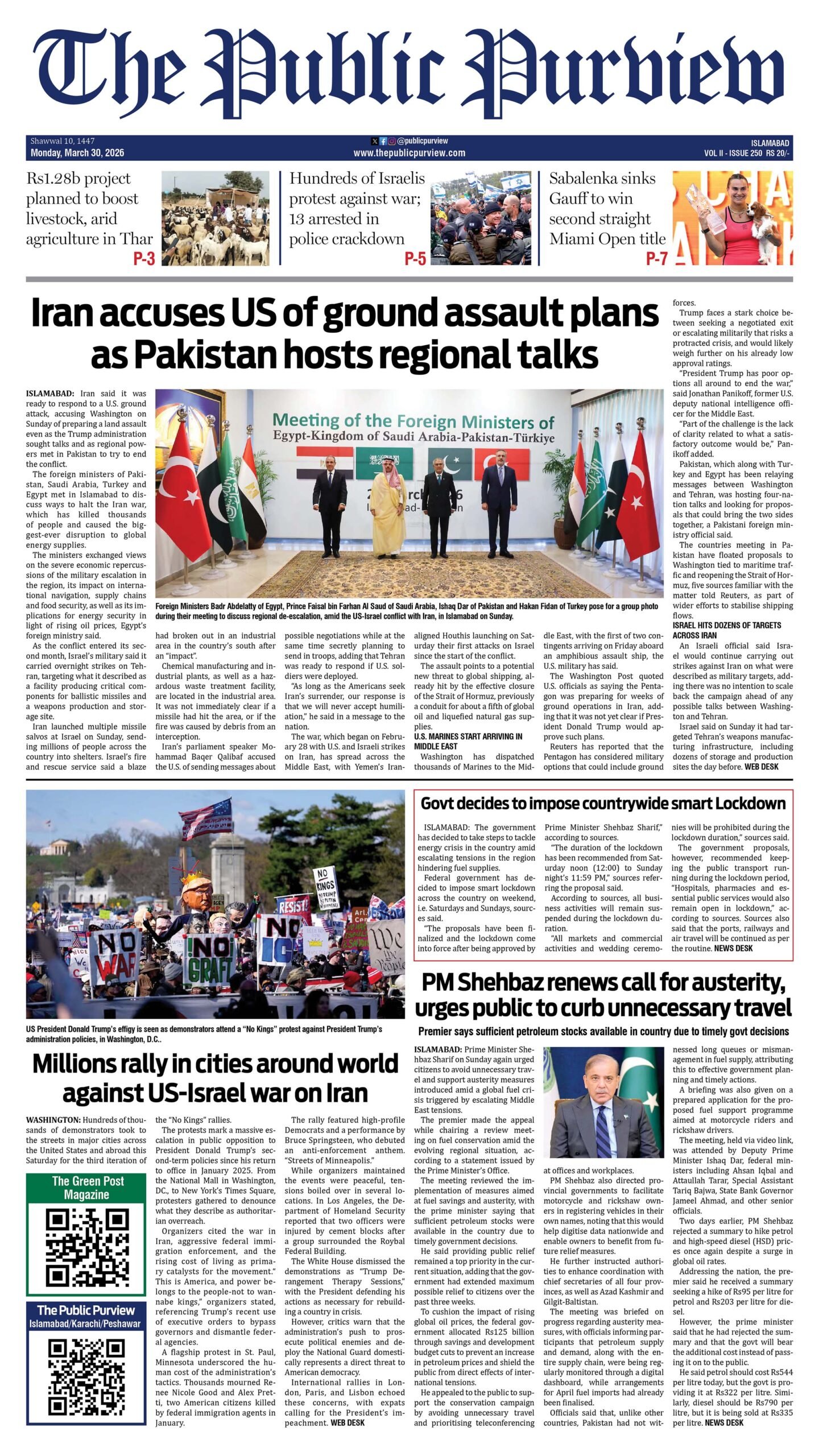 Today's E-Paper