
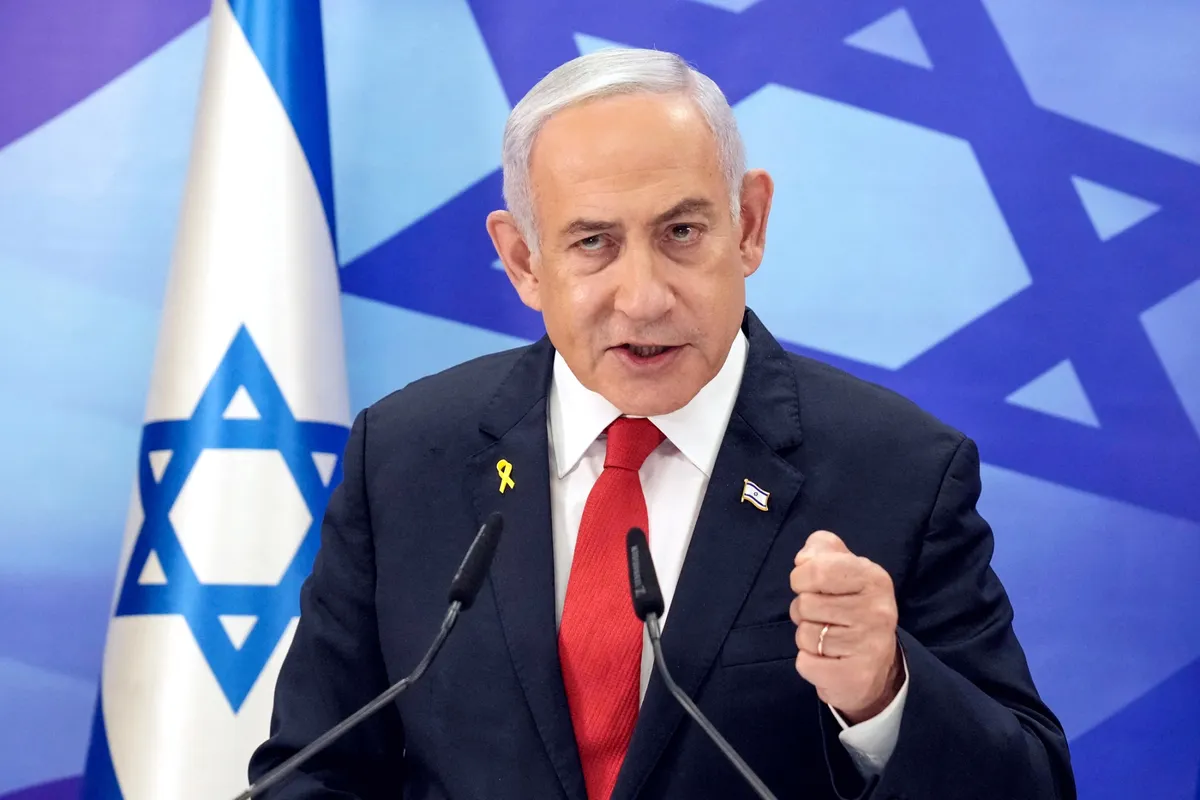
Israel’s government has approved a major increase in defense spending, adding about $13 billion to the country’s 2026 state budget as the cost of the Iran conflict places growing pressure on public finances.
The revised spending plan was approved early Wednesday by the cabinet led by Prime Minister Benjamin Netanyahu. Officials say the additional funds are intended to support military operations, replenish equipment and finance the large-scale mobilization of reserve forces during the ongoing war.
Under the revised plan, the government added 32 billion shekels (about $10.4 billion) in direct defense spending and an additional 7 billion shekels reserved for potential military requirements.
Also Read: Iran launches new missile attacks on US and Israeli targets as regional tensions escalate
Most of the increase will be financed through a higher government deficit, which has been raised to 5.1% of gross domestic product from the previous target of 3.9%.
Officials said the remaining funding will come from a combination of higher-than-expected state revenues and a 3% spending reduction across several government ministries that oversee civilian programs.
Defense spending rises sharply
Following the budget revision, Israel’s defense spending will total about 144 billion shekels, marking a sharp increase compared with levels recorded before the Gaza war in 2023.
The country’s overall state budget is now expected to approach 700 billion shekels.
Government officials say a significant portion of the new funding will be used to replenish military equipment and cover the costs associated with reserve forces.
Earlier budget plans had set a limit of 40,000 reserve soldiers serving up to 55 days each during the year. However, since the start of the Iran conflict in late February, the Israeli military has mobilized more than 100,000 reservists.
Economic impact and borrowing pressures
The government also revised its economic outlook as the conflict continues. Israel’s projected economic growth for the year was lowered to 4.7%, down from an earlier estimate of 5.2%.
According to the Finance Ministry’s chief economist, a full week of economic shutdown could cost the economy around 9 billion shekels.
The country has remained partly under emergency conditions, including the closure of schools and limited economic activity as authorities maintain security measures.
Israel’s public borrowing has also increased significantly since the start of regional hostilities in October 2023.
Government borrowing reached nearly 280 billion shekels in 2024 and remained elevated at around 200 billion shekels last year, according to Finance Ministry data.
Israel’s debt-to-GDP ratio currently stands at close to 69%, and economists say a higher deficit combined with slower economic growth could increase pressure on the country’s public finances.
Budget approval required by parliament
The revised spending plan still requires approval from Israel’s parliament before the end of the month.
Under Israeli law, failure to pass a state budget by March 31 would automatically dissolve the government and trigger new elections.
Finance Minister Bezalel Smotrich said the government had also set aside a controversial proposal related to military service exemptions for ultra-Orthodox men, an issue that had complicated coalition negotiations.
The decision may help secure support from coalition partners and increase the likelihood of the budget passing before the deadline.
Israel has already implemented austerity measures totaling about 30 billion shekels to finance military operations in Gaza, Lebanon and Iran. Those measures are expected to remain in place until at least 2027.



 Today's E-Paper