

The recent suicide bombing at the gate of an Imam bargah in the Tralai area of Islamabad is not only a tragic incident but also a serious question mark on the country’s overall law and order situation. This heartbreaking attack claimed the lives of at least 31 innocent people and left more than 80 others injured, many of whom are reported to be in critical condition. The incident occurred at a place meant for worship, peace, and spiritual reflection, which clearly shows that terrorist elements have no respect for human life or religious values.
The intensity of the blast was so severe that windows of nearby houses were shattered, and panic spread throughout the surrounding area. The presence of the suicide bomber’s body at the site further confirmed the brutal and well-planned nature of the attack. Soon after the explosion, police, Rescue 1122, and other emergency services rushed to the scene and shifted the injured to nearby hospitals. The Inspector General of Islamabad declared an emergency across the city, while emergency measures were also imposed at Polyclinic, PIMS, and CDA Hospital. Medical staff leave was cancelled to ensure that the wounded received immediate and proper treatment.
This tragic incident once again reminds us that the threat of terrorism has not been completely eliminated. Over the past few years, Pakistan has achieved significant success in its fight against terrorism and has made immense sacrifices to restore peace. Thousands of civilians and security personnel have lost their lives and the country has suffered huge economic losses. Despite these efforts and achievements, such attacks show that hostile elements are still trying to destabilize society and weaken the state.
Targeting Imam bargahs, mosques and other places of worship is, in fact, an attack on religious harmony and national unity. The main objective of terrorists is to spread sectarian hatred, fear, and mistrust among people. They want to divide society along religious and ethnic lines and disrupt social cohesion. Sadly, the victims of such attacks are always innocent citizens, including women, elderly people and young individuals who have no connection with violence or extremism.
The swift response of the government and security agencies after the attack is commendable. However, it is also true that more effective and comprehensive measures are needed to prevent such incidents in the future. Security arrangements at sensitive locations must be strengthened, surveillance systems improved, and intelligence networks made more active and coordinated. The installation of modern technology, including CCTV cameras and monitoring systems, should be expanded. Reactive measures taken after an incident are not enough; proactive and preventive strategies are essential to ensure lasting security.
The fight against terrorism is not the responsibility of security forces alone; it is a collective duty of the entire nation. The government must ensure transparent, impartial, and thorough investigations into this incident. Those responsible, including planners, facilitators, and financiers, must be brought to justice without delay. Strict accountability will not only provide relief to the victims’ families but will also serve as a strong deterrent against future attacks.
At the same time, the judicial system needs to be strengthened so that terrorism-related cases are decided swiftly. Delays in justice weaken public confidence and create a sense of impunity among criminals. Timely punishment, based on fair trials, reinforces the rule of law and sends a clear message that terrorism will not be tolerated under any circumstances.
National unity is especially important at this critical moment. The nation must reject sectarianism, hatred, and prejudice in all forms. Instead, values of tolerance, patience, and brotherhood should be promoted at every level of society. Religious scholars, intellectuals, journalists, and educators have a vital role to play in shaping public opinion and countering extremist narratives. Through sermons, discussions, and educational programs, they can promote peace, coexistence, and mutual respect.
Special attention must also be given to the youth, who are often targeted by extremist groups through propaganda and online platforms. Providing young people with quality education, employment opportunities and constructive recreational activities is essential to protect them from radicalization. An empowered and informed youth is the strongest defense against extremism.
The media, too, must act responsibly. Sensationalism, unverified reports, and exaggerated coverage can increase fear and confusion. Instead, media outlets should focus on accurate, balanced, and ethical reporting that informs the public without spreading panic. Similarly, strict measures should be taken to curb hate speech and misinformation on social media platforms.
In addition, community involvement is crucial in maintaining security. Citizens should cooperate with law enforcement agencies by reporting suspicious activities and supporting local safety initiatives. A strong relationship between the public and security institutions enhances trust and improves early warning mechanisms.
In conclusion, the suicide attack in Tralai is a painful reminder that Pakistan’s struggle against terrorism is not yet over. We extend our heartfelt condolences to the families of those who lost their lives and pray for the speedy recovery of the injured. Their sacrifice must not be forgotten.
This tragedy should serve as a wake-up call for all stakeholders. Only through unity, vigilance, strong institutions, and a clear national strategy can Pakistan defeat the forces of violence and hatred. If the nation remains united and resolute, there is no doubt that peace and stability will prevail. Together, we must work to build a safe, secure, and prosperous Pakistan for future generations.



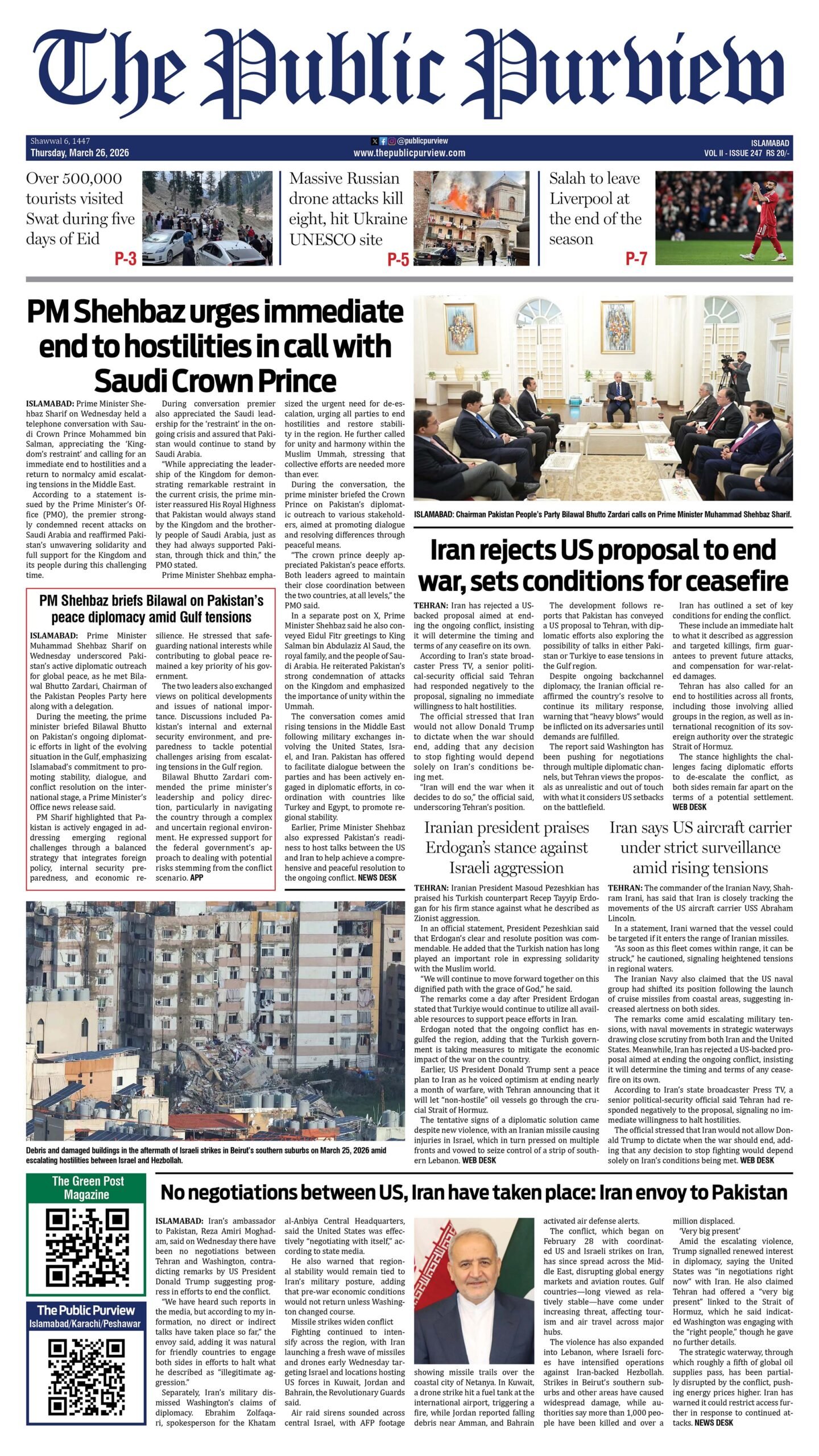 Today's E-Paper