

By Shabana Ayaz (Ankara)
The Middle East today stands amid a storm whose magnitude the world may not yet fully comprehend. In February 2026, when the United States and Israel launched joint military operations against Iran, the attacks were initially seen as limited strikes. Within days, however, it became clear that this was far more than a military operation—it is a major geopolitical crisis with potentially global ramifications.
The assassination of Iran’s Supreme Leader, Ayatollah Ali Khamenei, during the U.S. strikes further escalated the situation. Iran responded immediately, targeting U.S. military installations and key infrastructure across the region. Tensions in the Gulf soared, oil prices surged, and international diplomatic circles expressed deep concern. Analysts are now asking whether this crisis could serve as a precursor to a global war.
The U.S.–Israeli campaign has been labeled “Operation Epic Fury.” Washington asserts that its goal is to neutralize Iran’s nuclear ambitions and ballistic missile capabilities to maintain regional and global stability. U.S. officials argue that Iran’s missile programs and defensive infrastructure pose threats to American troops and allies in the region. In reality, however, these threats are primarily aimed at Israel.
The attacks targeted Iran’s naval forces, missile bases, and other strategic security centers. Simultaneously, former U.S. President Donald Trump publicly suggested that the Iranian people should govern themselves after the war—a statement widely interpreted as signaling regime change. Indeed, the deaths of the Supreme Leader and over fifty senior military and government officials have sent shockwaves through Iran’s political structure, confirming analysts’ claims that regime change is a central objective of this conflict.
Iran has long supported groups across the Middle East, including Hezbollah in Lebanon and the Houthis in Yemen. The U.S. and Israel argue that these groups destabilize the region and must be weakened—primarily to protect Israel’s security.
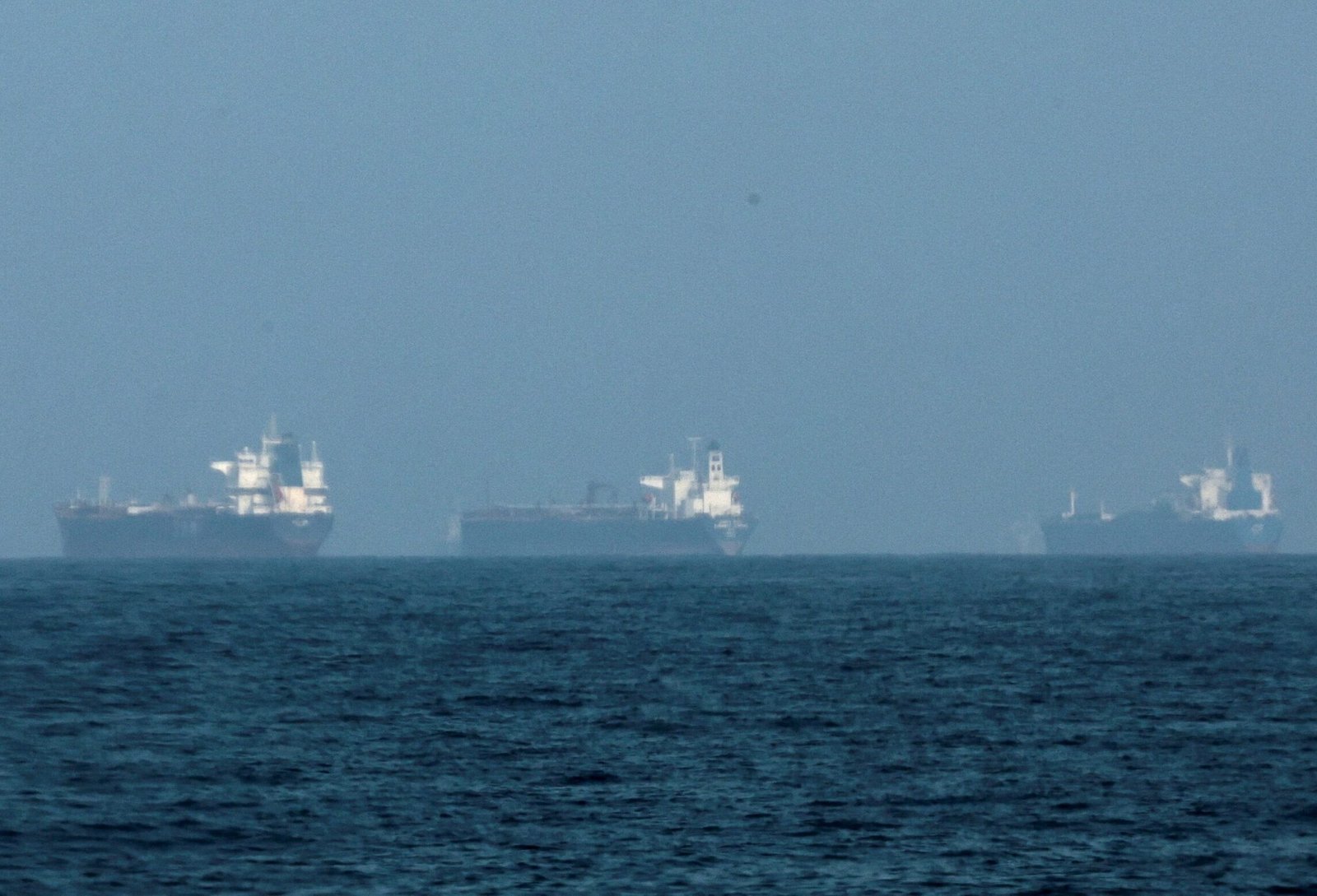
Oil politics also play a critical role in this war. Iran is one of the world’s major oil producers, and recent strikes hit key energy infrastructure, including Tehran’s refineries and the Shahran and Aghdashi oil depots. In response, Iran closed the Strait of Hormuz indefinitely, disrupting roughly 20% of global oil shipments. Brent crude prices surged to $84 per barrel, raising fears of a new energy crisis.
The conflict also threatens China’s energy security, as it relies heavily on Iranian oil imports. Some analysts frame this crisis as part of a broader U.S. “energy dominance” strategy, where disruption of Iran’s oil supply could benefit American and Western energy firms.
Amid these developments, an alarming environmental incident occurred. On March 8–9, 2026, Israeli strikes on Iranian refineries released thick black clouds over Tehran, resulting in an oily, toxic rain. The Iranian Red Crescent warned that the precipitation contains hydrocarbons, sulfur, and nitrogen oxides, posing risks of chemical burns, respiratory issues, and environmental damage.
The incident also highlighted tensions between the U.S. and Israel. Washington criticized Israel for excessively targeting civilian infrastructure, warning that such actions might unify Iranian public support behind their government and prolong the conflict. The White House expressed concern that indiscriminate strikes could further spike oil prices and trigger a global economic crisis.
In the Gulf, many states realized that American bases primarily serve Israel’s defense and joint objectives rather than their own security. Countries like Saudi Arabia, represented by former intelligence chief Prince Turki al-Faisal, argued that this war is primarily Israel’s, with the U.S. unnecessarily involving Arab nations. Iran’s counterstrikes reinforced this perception, signaling that U.S. policies are driving regional instability.
Global powers such as Russia have warned that mounting pressure on Iran could escalate into worldwide conflict. Meanwhile, Pakistan and Turkey have actively pushed for mediation, advocating negotiations to de-escalate the crisis. Qatar, China, Egypt, and Oman have also engaged diplomatically to achieve a ceasefire and reduce tensions.
United Nations intervention and sustained diplomatic efforts are more crucial than ever. If parties set aside ego and force displays to engage in serious negotiations, a balanced agreement addressing Iran’s nuclear program, regional security, and economic sanctions could be achieved. Otherwise, even a localized conflict could spiral into global catastrophe.
Public opinion in the U.S. reflects deep divisions: 56% oppose the military campaign, while 44% support it. In Israel, initial support has waned as concerns grow over the possibility of a prolonged war. Analysts worldwide remain concerned about the potential use of nuclear weapons.
History teaches that wars often begin from miscalculations and power struggles, initially appearing limited but rapidly escalating into crises. Today’s events in the Middle East echo this dangerous trajectory.
Global leaders now face a critical choice: prioritize diplomacy, reduce tensions, and pursue constructive dialogue, or risk allowing a regional dispute to ignite a global calamity. The time to place peace and cooperation above ego and power is now, to ensure the safety of Iran, the Middle East, and the world.


 Today's E-Paper