
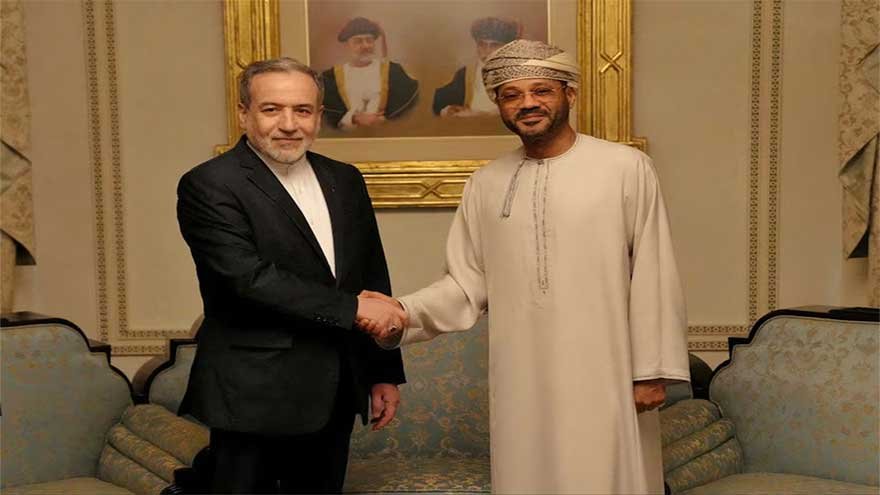
MUSCAT — Iran said talks with the United States held in Oman were a “good start” and would continue, signalling cautious momentum in high-stakes negotiations aimed at easing tensions over Tehran’s nuclear programme amid fears that a diplomatic breakdown could trigger wider conflict in the Middle East.
Iran’s Foreign Minister Abbas Araqchi said the indirect talks, mediated by Oman in Muscat, had opened a path for further engagement, with both sides set to return to their capitals for consultations on next steps. The discussions come as regional and global powers warn that failure to revive diplomacy could escalate military tensions.
“It was a good beginning, and there is an understanding to continue the talks,” Araqchi said in remarks broadcast on Iranian state television. He added that coordination on how to proceed would be decided in Tehran and Washington.
US-Iran talks set for Oman after venue change request
Officials from Iran and the United States did not meet directly, instead communicating through Omani mediators, a format used in past rounds of engagement. While both sides have expressed readiness to explore diplomacy, their positions remain far apart on key issues.
Washington has said it wants any renewed talks to address not only Iran’s nuclear activities but also its ballistic missile programme and support for armed groups in the region. Araqchi rejected that scope, saying Iran would discuss only nuclear-related matters and stressing that “dialogue requires refraining from threats and pressure.”
Iranian officials have repeatedly said Tehran will not negotiate over its missile capabilities and wants international recognition of its right to enrich uranium. For the United States, enrichment inside Iran remains a red line.
Tensions remain high following recent military developments. In June, the United States struck Iranian nuclear-related sites while backing Israel during the final stages of a 12-day bombing campaign, after which Tehran said its uranium enrichment work had halted. Since then, a US naval buildup near Iran and warnings from former US President Donald Trump about potential military action have added to Iranian concerns.
World powers and regional states fear that a collapse in negotiations could spark another confrontation between Washington and Tehran, with repercussions across the oil-rich region. Iran has warned that it would respond forcefully to any attack and has cautioned neighbouring Gulf states hosting US bases that they could be drawn into a conflict.
Iran has also linked progress in talks to sanctions relief, seeking the lifting of measures reimposed after the United States withdrew from the 2015 nuclear agreement. The US and its allies accuse Iran of pursuing nuclear weapons capability, a charge Tehran denies, insisting its programme is for peaceful purposes.
Despite the deep mistrust, Iranian officials have indicated some flexibility, including possible limits on uranium enrichment under a consortium arrangement, if sanctions are lifted. Whether such proposals can bridge the gap between the two sides remains uncertain as negotiations are set to continue.




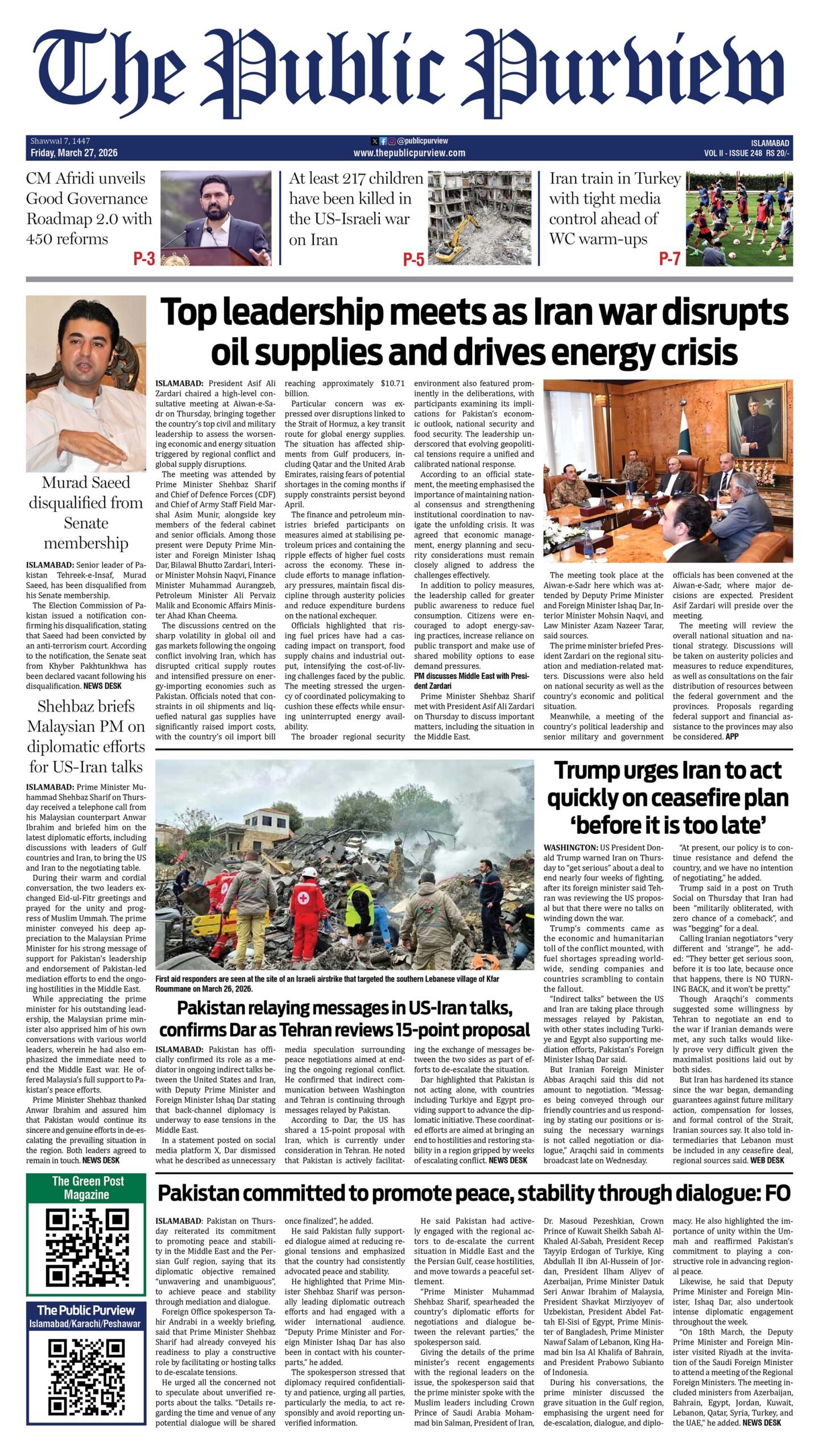 Today's E-Paper