
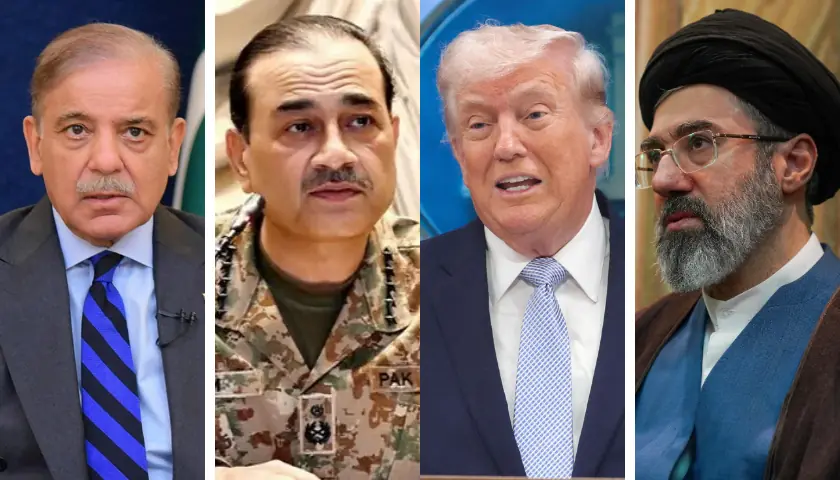
ISLAMABAD, April 8, 2026: Iran and the United States have agreed to an immediate ceasefire following diplomatic intervention by Pakistan, with US President Donald Trump suspending planned strikes on Iran for two weeks after contacts with Prime Minister Shehbaz Sharif and Chief of Army Staff Field Marshal Asim Munir.
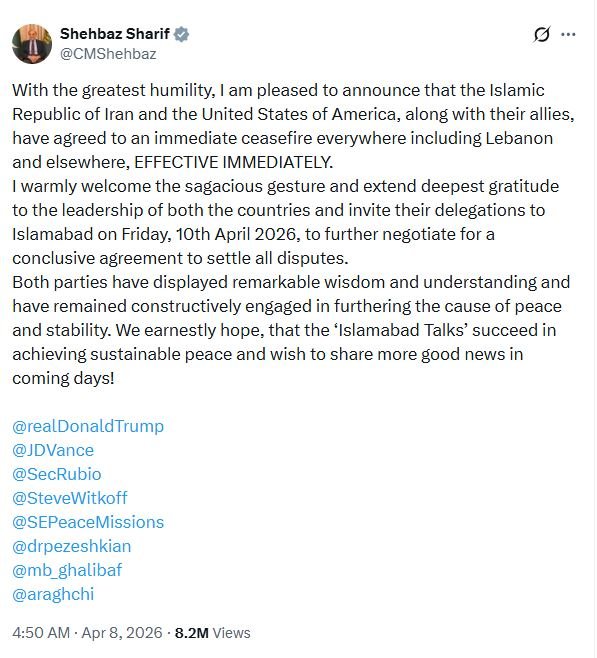
Pakistan said the ceasefire takes effect across multiple fronts and confirmed that delegations from both countries have been invited to Islamabad on April 10 for talks aimed at reaching a durable and comprehensive agreement. The development positions Islamabad at the centre of ongoing diplomatic efforts to de-escalate tensions in the Middle East.
Prime Minister Shehbaz Sharif welcomed the breakthrough, saying both sides had demonstrated “remarkable wisdom and understanding” and expressing hope that the upcoming talks would lead to lasting peace and stability.
Trump pauses strikes, outlines ceasefire conditions
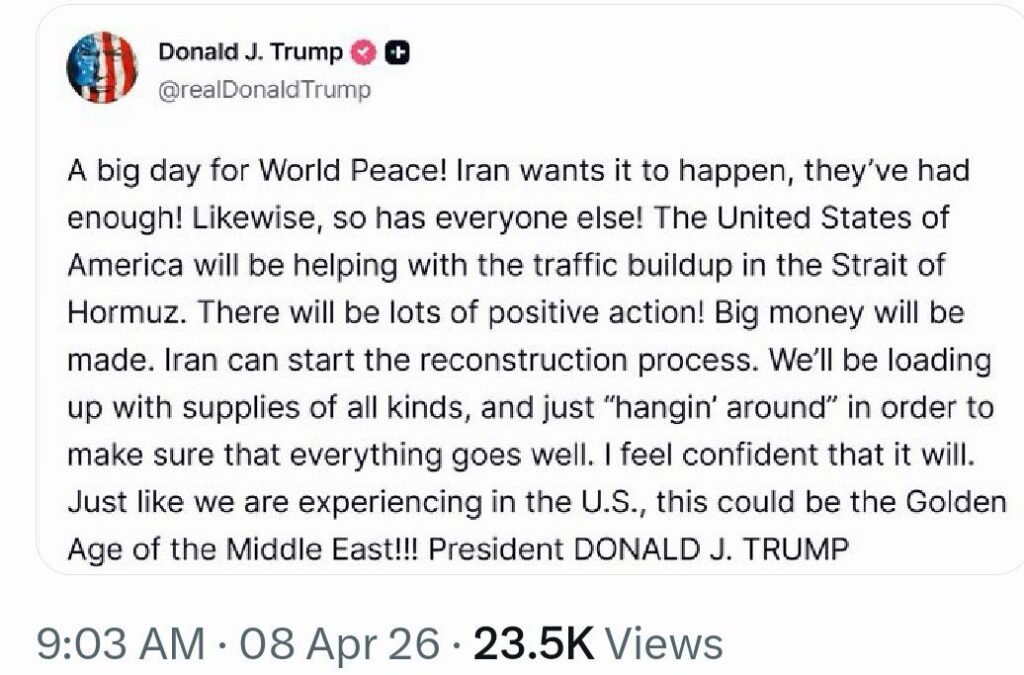
President Trump said he agreed to suspend bombing operations against Iran after discussions with Pakistan’s leadership, linking the decision to Tehran’s commitment to reopen the Strait of Hormuz and de-escalate hostilities.
He described the arrangement as a “double-sided ceasefire” and said negotiations were already advanced, with proposals from both sides forming the basis of a broader agreement expected to be finalised during the two-week window.
Trump added that the United States would remain engaged in the region to help manage maritime traffic in the Strait of Hormuz and ensure stability during the pause.
Iran confirms halt in operations, signals negotiation framework
Iran said it would cease its defensive operations if attacks against it were halted, aligning with the ceasefire framework. It also confirmed that safe passage through the Strait of Hormuz would be ensured for two weeks in coordination with its armed forces.
Tehran’s position is linked to a broader set of proposals, including sanctions relief, recognition of its nuclear programme, withdrawal of US forces from the region, and an end to hostilities across multiple fronts.
US, Israel responses indicate evolving framework
While Pakistan confirmed the ceasefire, the White House said formal arrangements regarding talks were still under discussion, with officials noting that final confirmation would come through official US channels.
Israel backed the US decision to pause strikes but stated that the ceasefire does not extend to Lebanon, highlighting limits to the current framework.
Strait of Hormuz central to global impact
The Strait of Hormuz remains central to the ceasefire arrangement, with its reopening directly tied to de-escalation. The route previously carried about 20 per cent of global oil and liquefied natural gas shipments, making it critical for global energy stability.
Trump said the US would assist in easing congestion in the waterway, while Iran confirmed it would facilitate safe transit during the two-week period.
Pakistan intensifies diplomatic outreach
Pakistan has expanded its diplomatic engagement to support the ceasefire, with Deputy Prime Minister and Foreign Minister Ishaq Dar holding multiple calls with counterparts from Saudi Arabia, Turkiye, Egypt and Morocco to coordinate efforts for regional stability.
These engagements build on earlier multilateral initiatives, including consultations with China and regional partners, aimed at preventing further escalation and advancing negotiations.
Conflict background and next steps
The ceasefire follows weeks of escalation triggered by US and Israeli strikes on Iran on February 28, which raised concerns about a broader regional conflict and disruption to global energy markets.
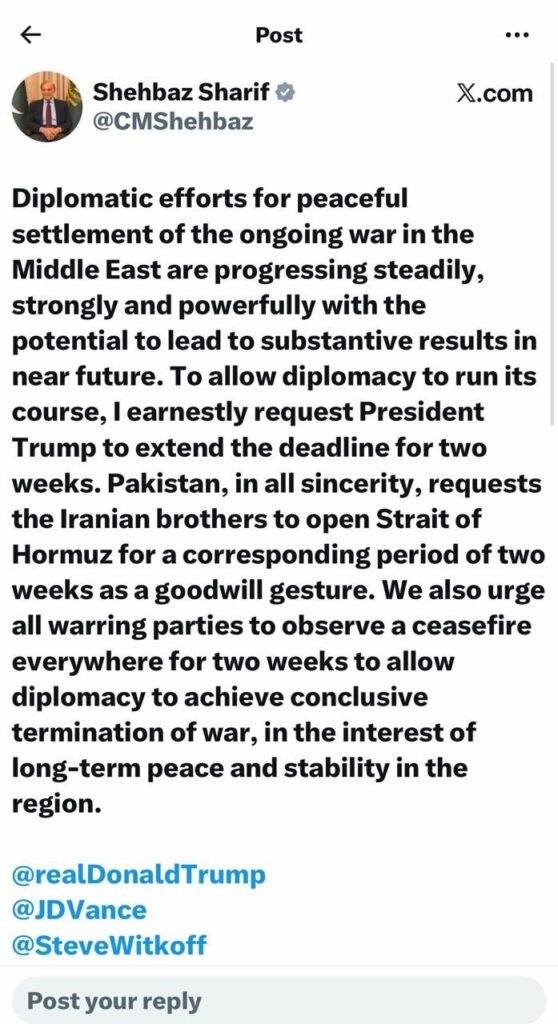
Earlier proposals had failed to produce a breakthrough, but the current agreement marks the most significant diplomatic progress so far, with formal negotiations now expected to take place in Islamabad in the coming days.
Also read: Iran, US consider Pakistan-mediated ceasefire plan to end hostilities, sources say




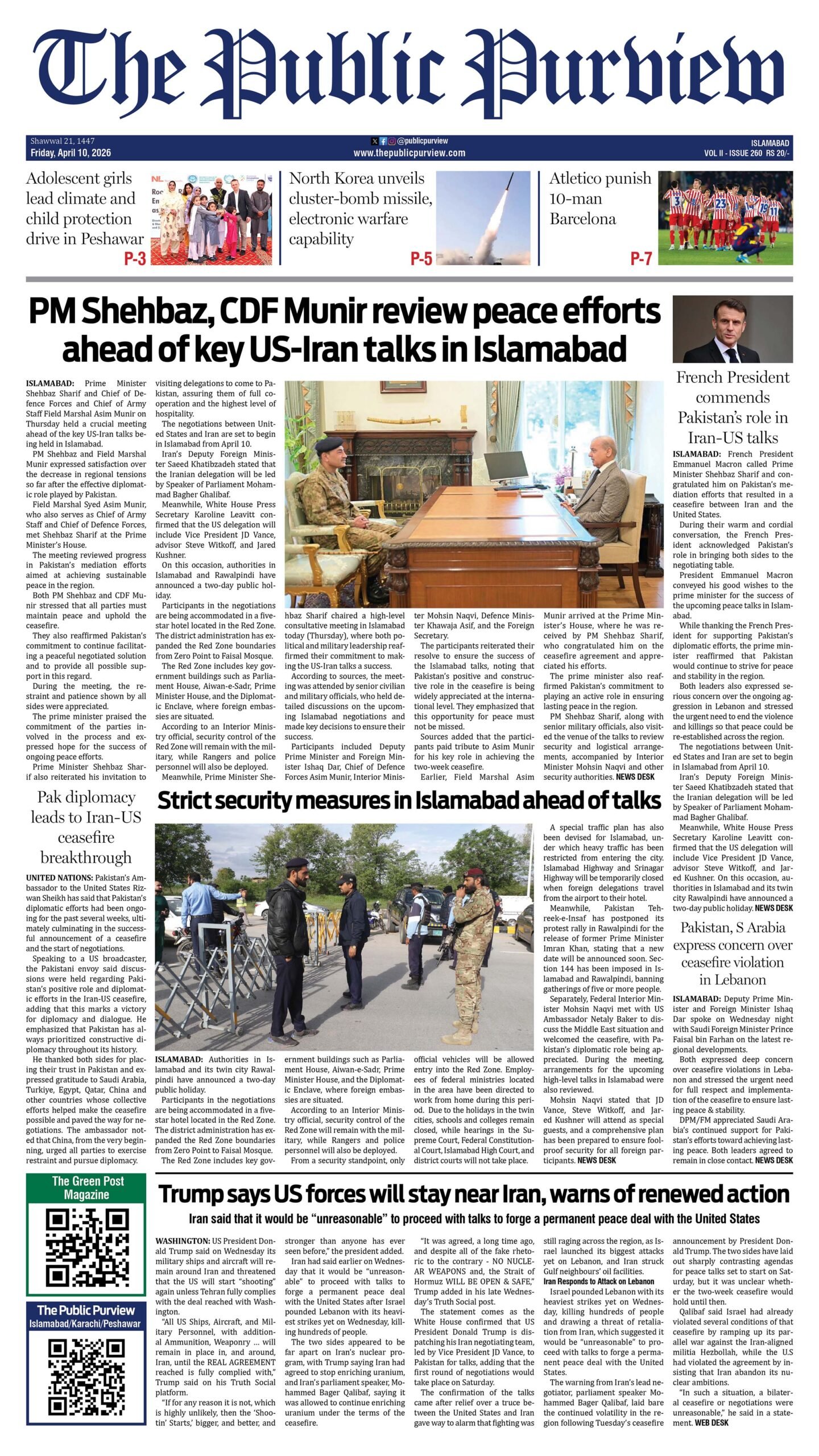 Today's E-Paper