
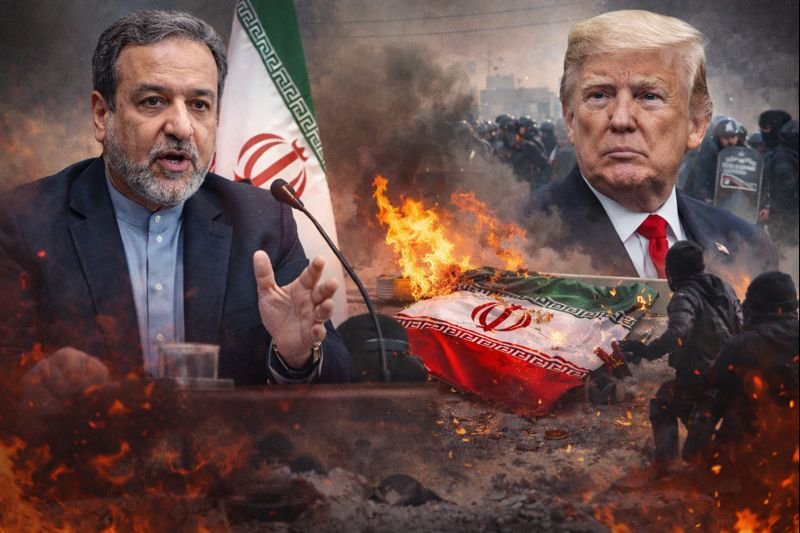
TEHRAN, Jan 12 — Iran’s Foreign Minister Abbas Araghchi said nationwide protests were now “under control,” following weeks of unrest that rights groups say have left more than 500 people dead and thousands detained, as international pressure on Tehran continues to mount.
Speaking to diplomats in Tehran, Araghchi accused what he described as “terrorist elements” of escalating violence in an effort to draw foreign intervention. His remarks came amid warnings from the United States, including statements by Donald Trump, raising the risk of broader geopolitical escalation. Araghchi said Iran does not seek war but is fully prepared to respond to any external threat, while indicating conditional openness to dialogue.
Timeline of the unrest
-
Dec 28, 2025: Protests broke out in multiple Iranian cities over inflation, unemployment, and fuel shortages. Demonstrations quickly spread nationwide, with slogans targeting senior leadership.
-
Jan 2, 2026: Security forces intensified crackdowns. Amnesty International reported mass arrests and an internet shutdown that limited independent reporting.
-
Jan 9–10, 2026: Violence escalated in Tehran and Mashhad, with footage showing protesters defying curfews and clashing with police.
-
Jan 11, 2026: Trump warned Tehran against harming protesters and claimed Iranian officials had sought talks.
-
Jan 12, 2026: Araghchi declared the unrest under control, while rights groups reported at least 544 deaths and more than 10,600 detentions.
International reaction and pressure
The United States said it was closely monitoring the situation and warned of consequences if violence against civilians continued. China urged restraint and opposed what it called foreign interference in Iran’s internal affairs, emphasizing respect for sovereignty.
Also Read: Iran warns US of retaliation as Khamenei blames Washington for unrest
Rights organizations, including Amnesty International and Human Rights Watch, called for transparency and accountability, urging Iranian authorities to lift communication restrictions and allow independent monitoring. The European Union also expressed concern over the reported use of excessive force and called on Tehran to uphold fundamental rights.
Why it matters
The unrest has resulted in a significant human toll, with families struggling to obtain information amid continued internet disruptions. At the same time, Iran’s assertion that the protests are contained, coupled with warnings from Washington, underscores heightened regional and international tensions at a time of broader economic pressure across the Middle East.




 Today's E-Paper