
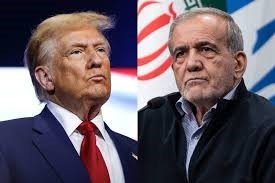
TEHRAN: Iranian President Masoud Pezeshkian has authorized negotiations with the United States over the country’s nuclear program, local media reported Monday, as US President Donald Trump expressed optimism about reaching a diplomatic agreement to avoid military confrontation.
The announcement comes amid heightened tensions following anti-government protests in Iran last month, which prompted Trump to threaten military action and deploy an aircraft carrier group to the Middle East. While Washington has increased pressure, Trump has maintained that he hopes for a deal, and Tehran has reiterated its preference for diplomacy while warning of a strong response to any aggression.
US deploys additional missile defenses amid rising Iran tensions
According to Fars news agency, Pezeshkian ordered the opening of talks with the US, with discussions to focus on the nuclear file. No date has been specified, but Iranian officials said a framework for negotiations is being finalized, with messages exchanged through regional intermediaries. Foreign ministry spokesman Esmaeil Baqaei confirmed that several points are under review and details of each stage are being worked out.
Trump has warned that “time is running out” for Iran to reach an agreement on its nuclear program, which Western governments suspect is aimed at developing atomic weapons. Baqaei rejected the notion of ultimatums, saying Tehran does not accept such conditions.
Regional diplomacy has intensified, with Iranian Foreign Minister Abbas Araghchi meeting officials in Turkey and holding calls with counterparts in Egypt, Saudi Arabia, and Turkey. In an interview with CNN, Araghchi said Iran agrees with Trump’s call for “no nuclear weapons” but expects sanctions relief in return, describing such an arrangement as possible.
Iranian leaders have cautioned that any US attack could trigger a wider regional conflict. Supreme Leader Ayatollah Ali Khamenei warned on Sunday that aggression would lead to “regional war,” while also likening recent protests to a coup attempt.
Authorities said the protests, sparked by economic hardship in early January, were inflamed by foreign adversaries. The government reported 3,117 deaths, publishing the names of 2,986, and claimed most were security personnel or bystanders killed in “terrorist acts.” Rights groups estimate at least 40,000 people have been detained.
The crackdown has drawn international criticism. The European Union recently designated Iran’s Islamic Revolutionary Guard Corps (IRGC) as a terrorist organization, prompting Iranian lawmakers to label European armies the same. On Monday, Baqaei said EU ambassadors in Tehran had been summoned in protest, with further responses expected.
Iranian state television also reported the arrest of four foreigners accused of participating in the unrest, though their nationalities were not disclosed.



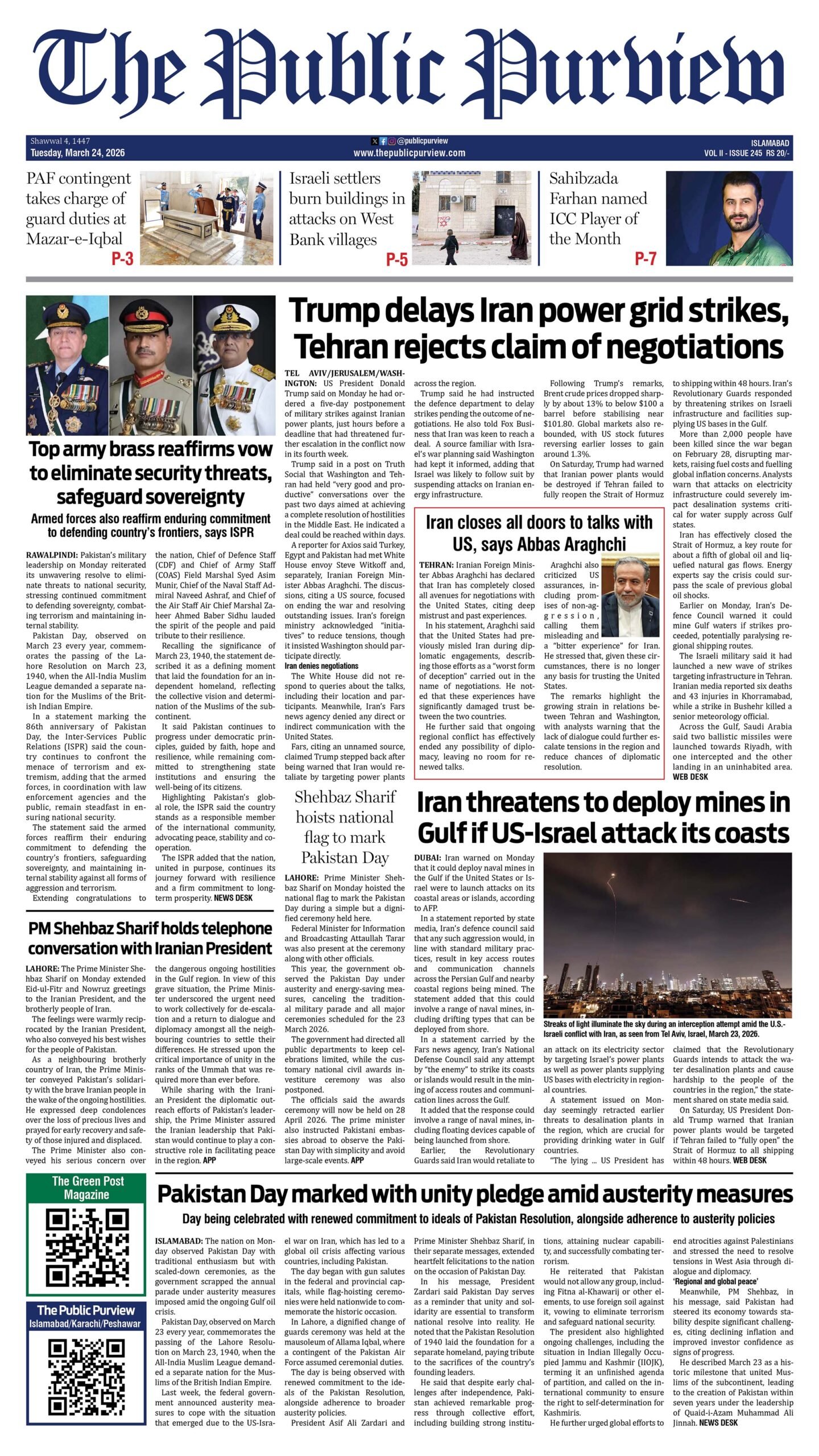 Today's E-Paper