
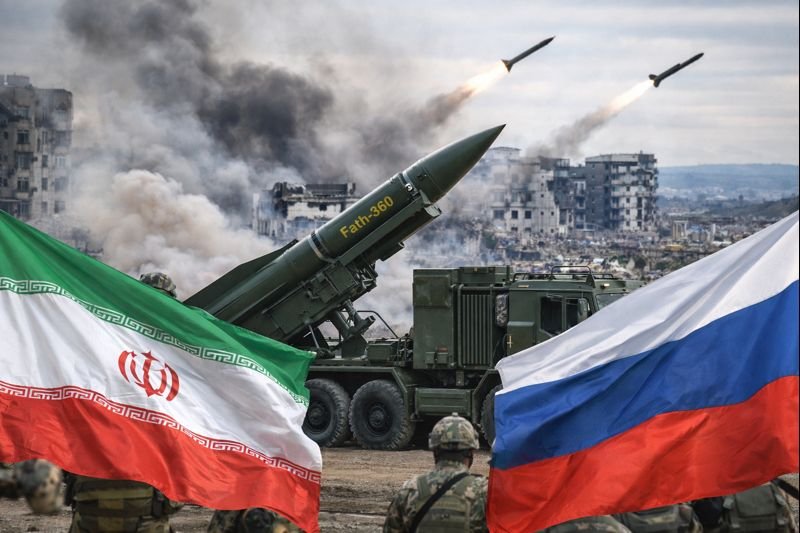
January 13, 2026 — Iran has supplied nearly $3 billion worth of missiles to Russia since late 2021, according to Western security officials cited by Bloomberg, underscoring a deepening defense partnership between Tehran and Moscow as the war in Ukraine continues.
The reported transfers form part of military contracts valued at more than $4 billion and highlight Iran’s growing role in supporting Russia’s military campaign as Moscow faces shortages of precision-guided munitions.
Officials said the deliveries included hundreds of Fath-360 short-range ballistic missiles, nearly 500 additional short-range systems, and about 200 surface-to-air missiles. The weapons have been used to reinforce Russia’s battlefield capabilities amid sustained fighting in Ukraine.
The contracts were signed in October 2021, months before Russia launched its full-scale invasion of Ukraine. Since then, Iran has emerged as a key supplier of military hardware to Russia, having previously provided Shahed-series drones that have been used in repeated strikes against Ukrainian cities and critical energy infrastructure.
Ukraine’s response
Ukrainian officials have condemned the reported missile transfers, saying the weapons have contributed to civilian casualties and widespread damage to power grids and transport networks. Kyiv has urged its international partners to tighten sanctions on Iran, arguing that the supplies are being used to terrorize civilians and prolong the conflict.
Sanctions context
Western governments have warned that Iran’s military support for Russia violates international sanctions and arms embargoes. The United States and the European Union have already imposed penalties on Iranian defense companies linked to drone production, and officials say similar measures could be extended to missile manufacturers.
NATO members have also expressed concern that Iran’s missile technology, combined with Russia’s battlefield use, could further destabilize both Europe and the Middle East.
Civilian impact
Beyond military calculations, the weapons have had a direct impact on Ukrainian civilians. Iranian drones and missiles have been linked to winter blackouts, leaving millions without heat or electricity. Strikes have also damaged hospitals, schools, and residential buildings, intensifying humanitarian challenges across the country.
Strategic partnership
Analysts say the cooperation reflects shared strategic interests. Russia is seeking to offset growing isolation from Western suppliers, while Iran aims to expand the reach of its defense industry and strengthen ties with a major global power.
Despite international criticism, both governments have emphasized their partnership. Tehran has defended its defense exports as legitimate, while Moscow has welcomed the supplies as critical to sustaining its military campaign.
The disclosures highlight how the Ukraine war has reshaped global alliances, drawing Iran and Russia closer together in defiance of Western pressure. With reported contracts exceeding $4 billion, the partnership points to a long-term alignment that could carry lasting implications for regional and global security.




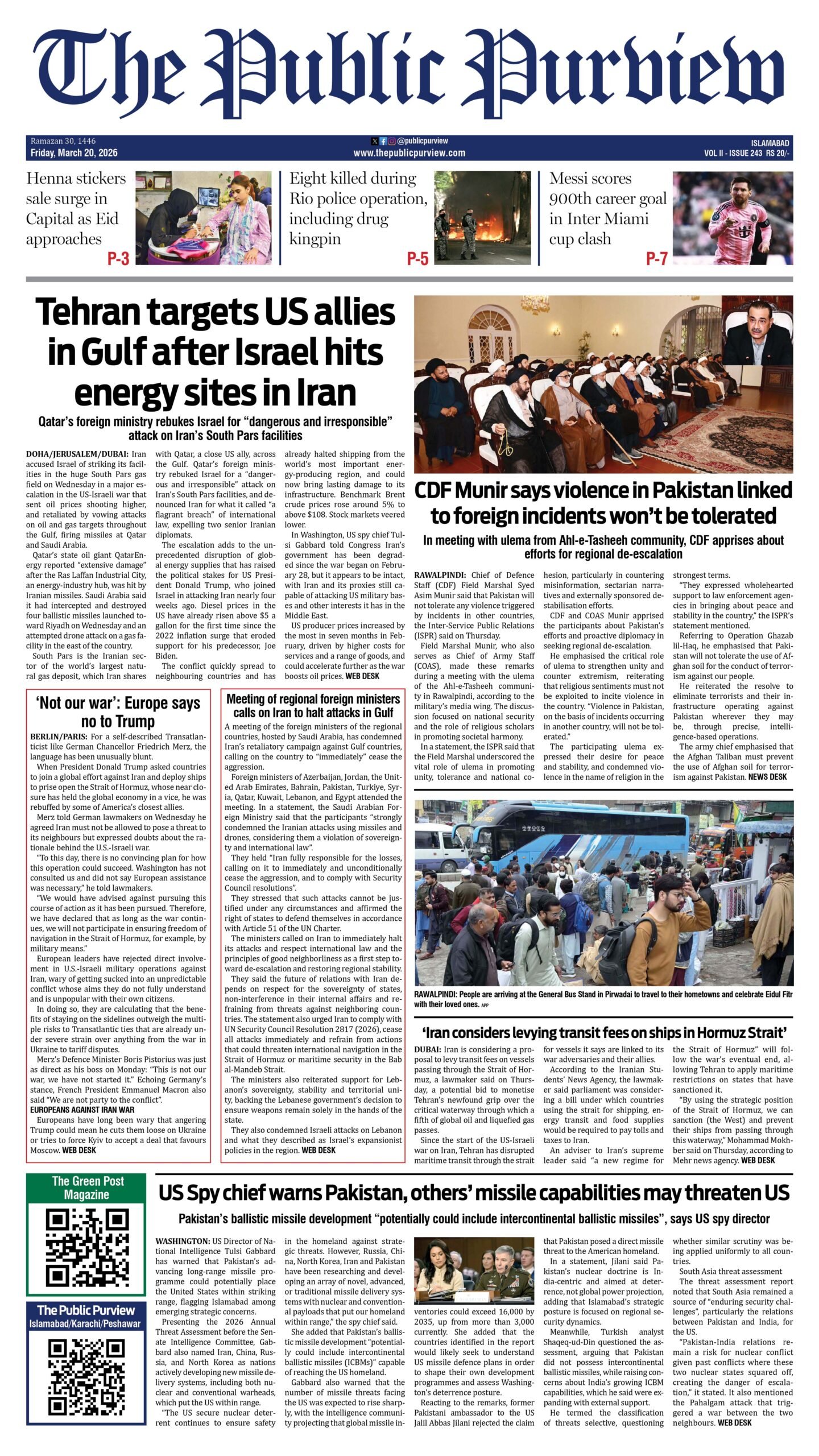 Today's E-Paper