
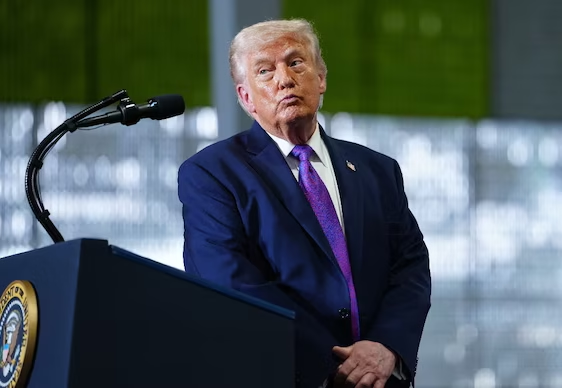
Iran launched fresh attacks on United States-aligned Gulf countries, including the United Arab Emirates, as the conflict entered its third week, while former US President Donald Trump said the scale of the escalation had not been expected, according to Reuters.
The strikes targeted energy infrastructure, military sites, and key transit routes across the region, raising concerns about regional stability and global oil supplies. Diplomats and officials said the escalation reflects a widening conflict involving Iran, the United States, and Israel.
Attacks reported across Gulf and Iraq
Authorities in the United Arab Emirates reported missile and drone activity that led to temporary airspace closures. A drone strike hit an oil facility in Fujairah, while debris from an intercepted missile fell in Abu Dhabi, killing one Pakistani national.
In Iraq, security sources said rockets and drones targeted the US embassy in Baghdad early Tuesday, describing it as one of the most intense assaults since the conflict began. US officials said no injuries were reported.
Iran also launched overnight missile strikes on Israel, indicating it retains the ability to conduct long-range attacks despite ongoing US and Israeli military operations.
Conflict intensifies in third week
The war has entered its third week, with more than 2,000 people reported killed so far. The Israeli military said it carried out a new wave of strikes targeting infrastructure in Tehran and sites linked to Hezbollah in Beirut.
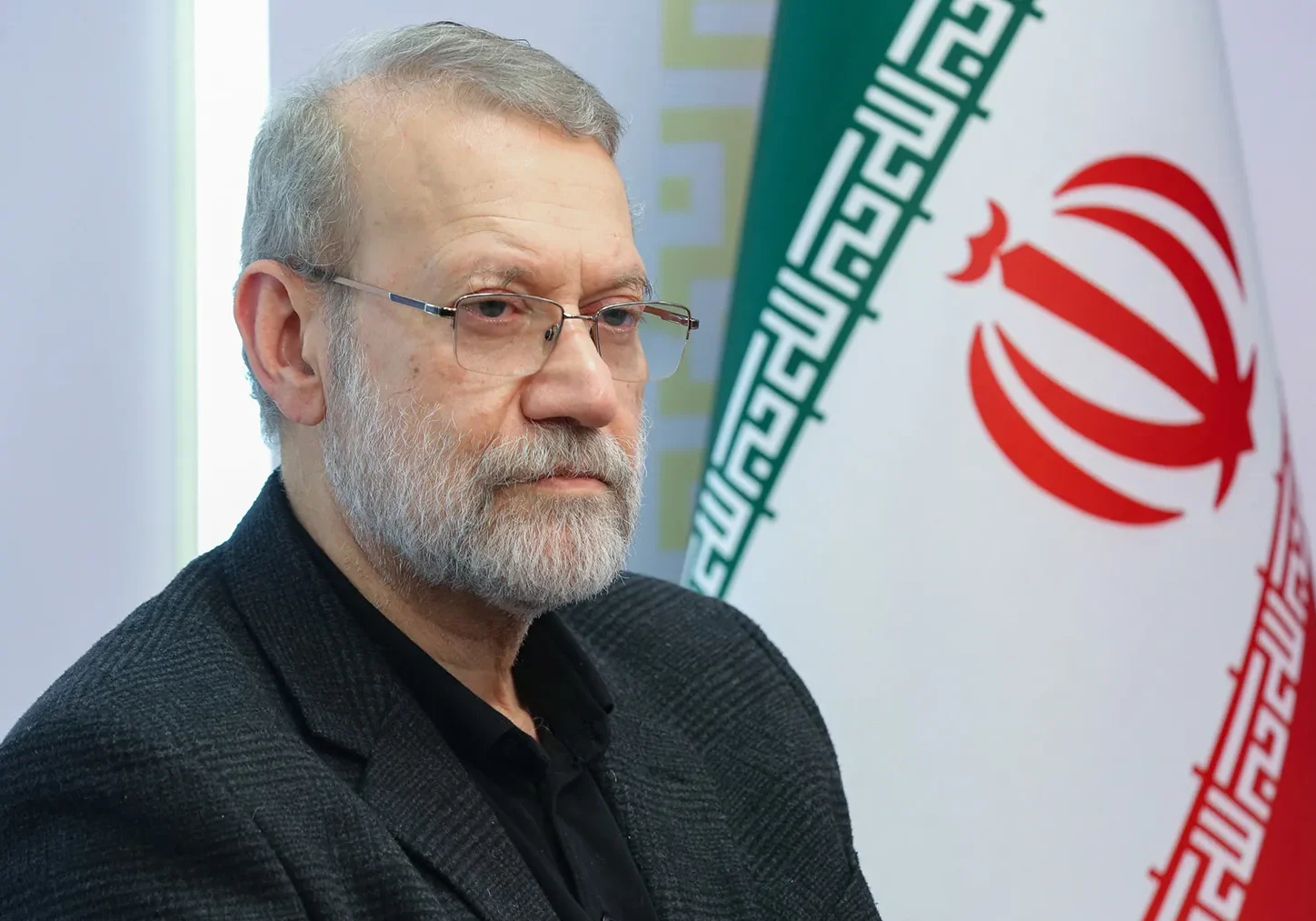
Israeli media reported a strike targeting senior Iranian official Ali Larijani, though there was no immediate confirmation from Iranian or Israeli authorities.
Trump remarks and prior warnings
Trump said Iran’s attacks on neighbouring countries, including Saudi Arabia, Qatar, Bahrain, and Kuwait, were unexpected.
However, US officials and sources familiar with intelligence assessments said he had been warned that military action against Iran could trigger retaliation across the Gulf. Diplomats added that such a response had been widely anticipated by regional and Western governments.
Strait of Hormuz disruption
The conflict has disrupted activity in the Strait of Hormuz, a critical route through which about 20 percent of global oil and gas supplies pass.
Efforts by the United States to secure the waterway have faced resistance, with several countries indicating they have no immediate plans to deploy naval forces.
Oil prices rise
Oil prices rose more than 5 percent following the latest escalation, reflecting concerns over supply disruptions. Economists warn that sustained increases could add to inflationary pressures and affect global growth.



 Today's E-Paper