
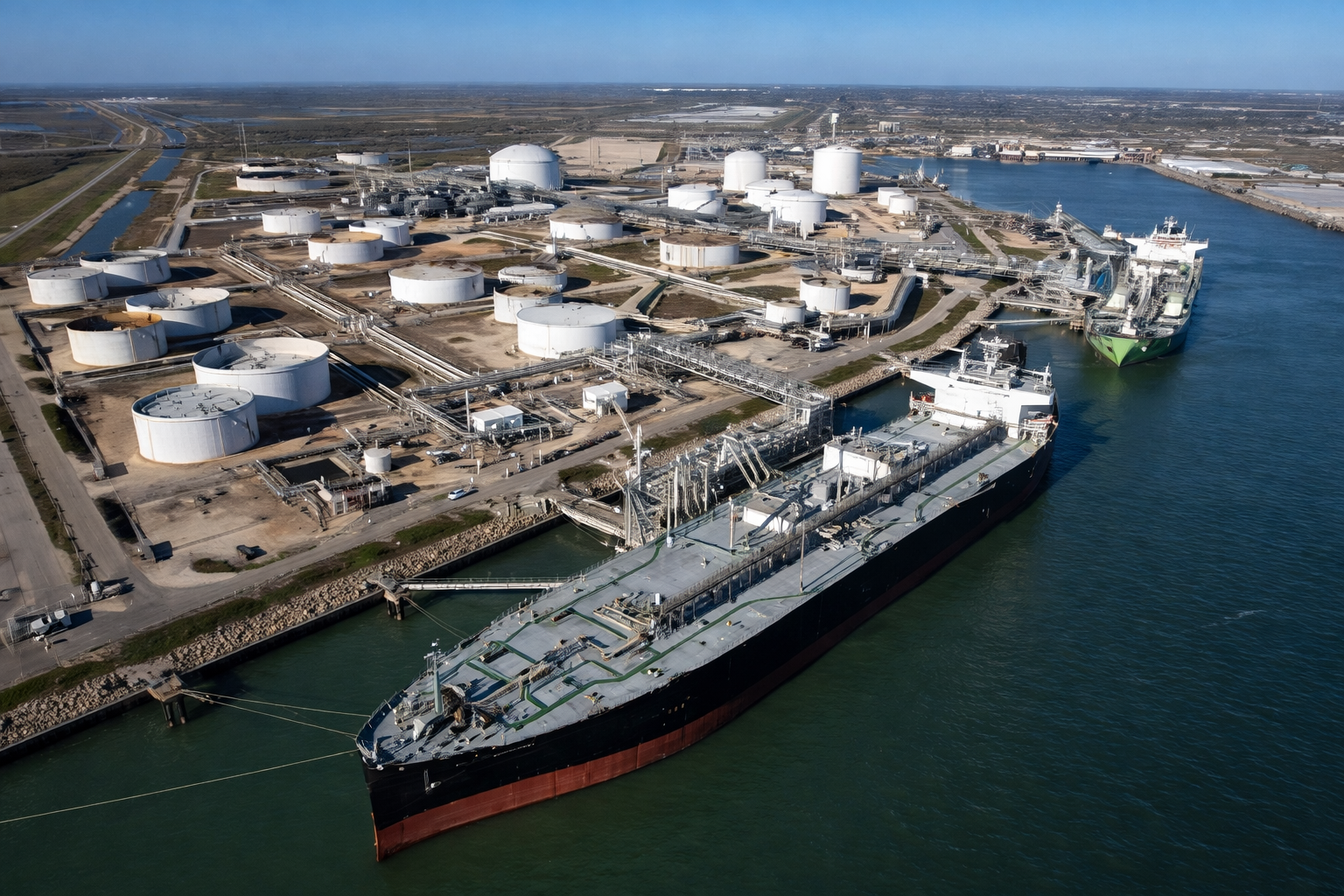
TOKYO/ISLAMABAD: The escalating Iran conflict is disrupting oil supply routes through the Strait of Hormuz, raising energy security concerns for Pakistan and other Asian countries dependent on Middle Eastern imports.
Shipping delays, rising freight costs and tanker rerouting near the Gulf chokepoint are already affecting crude flows, industry sources and analysts said on Monday. Asia imports about 60% of its oil from the Middle East, and prolonged instability could increase fuel costs across the region.
The Strait of Hormuz handles roughly 20% of global oil supply and a similar share of liquefied natural gas (LNG) shipments. Any sustained disruption threatens energy-importing economies in South Asia.
Global oil prices rose around 9% on Monday after earlier surging by as much as 13%, reflecting market concerns over tighter supply.
Pakistan’s exposure to Gulf energy flows
Pakistan relies heavily on crude oil and LNG imports from Middle Eastern producers, particularly Gulf countries. A prolonged slowdown in tanker traffic could increase import costs and put pressure on domestic fuel pricing and the country’s current account balance.
Energy analysts said higher insurance premiums and freight rates are adding to shipping costs as vessels avoid high-risk zones.
Any interruption in LNG exports from Qatar, Oman or the United Arab Emirates would directly affect South Asian buyers, including Pakistan, India and Bangladesh. Consultancy Rystad Energy said affected countries may need to secure alternative cargoes or manage demand if disruptions continue.
Tanker delays and insurance concerns
On Sunday, attacks damaged three tankers and killed one seafarer, prompting nearly 200 vessels to anchor near the Strait to avoid risk, according to industry reports.
Ship insurers have begun withdrawing war-risk cover for certain routes, while freight rates are expected to rise as operators limit exposure in the Gulf.
Also Read: Saudi Aramco shuts Ras Tanura refinery after drone strike amid Gulf escalation
Citi analysts said Iran has not officially closed the Strait, but transit volumes have declined as shipping companies adopt a cautious approach.
Regional response
Japan’s Chief Cabinet Secretary Minoru Kihara said some crude shipments bound for Japan were waiting in the Persian Gulf rather than proceeding through the Strait. Japanese trading house Itochu reported some disruption and said it would explore alternative sourcing.
China and India — the world’s largest and third-largest oil importers — could face supply pressure if the disruption persists. Indian refiners have reportedly experienced difficulties securing vessels for Middle East crude shipments.
The International Energy Agency requires member states to maintain oil reserves equivalent to at least 90 days of net imports. Japan said it has no immediate plans to release strategic reserves.
Outlook
US President Donald Trump signalled that military operations linked to the conflict could continue for weeks, raising concerns that instability around the Strait of Hormuz may persist.
Analysts said the duration of the disruption will determine whether the impact remains limited to higher freight costs or develops into a broader supply squeeze affecting Asian energy markets.





 Today's E-Paper