
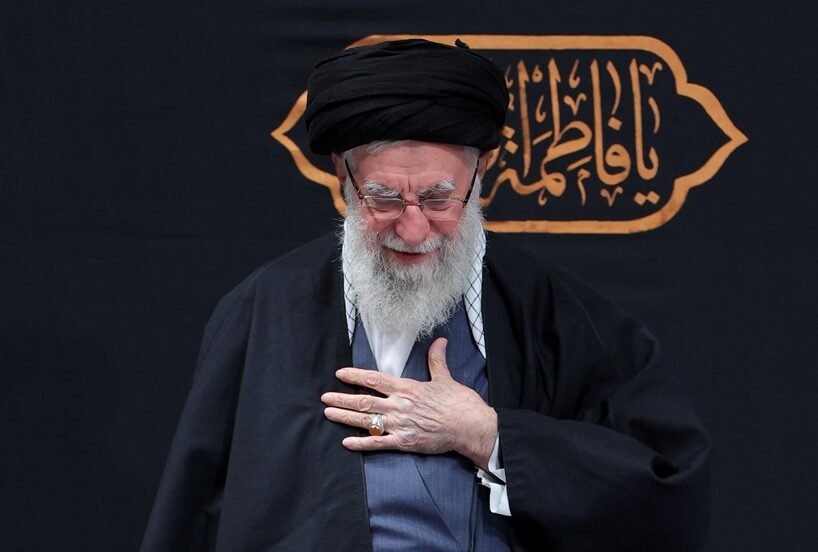
Iranian state media on Sunday confirmed that Supreme Leader Ayatollah Ali Khamenei was killed in a joint US-Israel strike in Tehran, marking a pivotal moment in the country’s political history and escalating tensions across the Middle East. The 86-year-old leader, who held ultimate authority over Iran’s political and military institutions, was reportedly killed in an airstrike targeting his compound in downtown Tehran.
The reported killing of Ayatollah Ali Khamenei, confirmed by state television and the official IRNA news agency, follows claims by US President Donald Trump and Israeli officials that senior Iranian leaders were targeted in a coordinated military operation. The development raises uncertainty about Iran’s leadership structure and increases the risk of wider regional conflict.
Also Read: Israel Claims Iran’s Supreme Leader Khamenei Killed in Tehran Strike; Iran Denies
State media said the strike heavily damaged Khamenei’s office complex. Satellite imagery cited by Iranian outlets showed significant destruction at the site. Authorities also reported that several of his relatives, including a daughter, son-in-law, daughter-in-law and a grandchild, were killed.
Iran declared 40 days of public mourning and announced a seven-day nationwide holiday. A black mourning flag was raised over the Imam Reza shrine in Mashhad, a major religious site for Shiite Muslims. Crowds gathered in Tehran and other cities, chanting slogans against the United States and Israel.
Leadership vacuum and interim governance
Khamenei had served as Iran’s supreme leader since 1989, succeeding the Islamic Republic’s founder. As the country’s highest authority, he had final approval over key domestic and foreign policies, including control of the armed forces and oversight of the Islamic Revolutionary Guard Corps.
Iranian officials said a governing council has been formed to administer state affairs until a new supreme leader is selected. No successor has been publicly identified.
State media also reported that several senior figures were killed in the strikes, including a top security adviser and high-ranking members of the Revolutionary Guard. Israeli military spokespersons said their forces targeted multiple Iranian military sites, including missile launcher positions.
Escalation and retaliatory threats
President Trump said the strikes were aimed at dismantling what he described as a security threat posed by Iran’s nuclear programme. He indicated that military operations could continue in the coming days.
Iran condemned the attack as an act of aggression and warned of retaliation. Government officials told the United Nations Security Council that hundreds of civilians were killed or wounded in the strikes, a claim not independently verified.
Iranian forces launched missiles and drones toward Israel and at US military bases in the region, according to official statements. Air raid sirens sounded in parts of Israel as exchanges continued into the night.
Ali Larijani, secretary of Iran’s Supreme National Security Council, said the country would respond decisively. Meanwhile, exiled Iranian figure Reza Pahlavi said the developments could mark a turning point for Iran’s political future, though Iranian authorities have not indicated any change to the country’s governing system.
The situation remains fluid, with international leaders urging restraint amid concerns that further escalation could destabilize the broader Middle East.


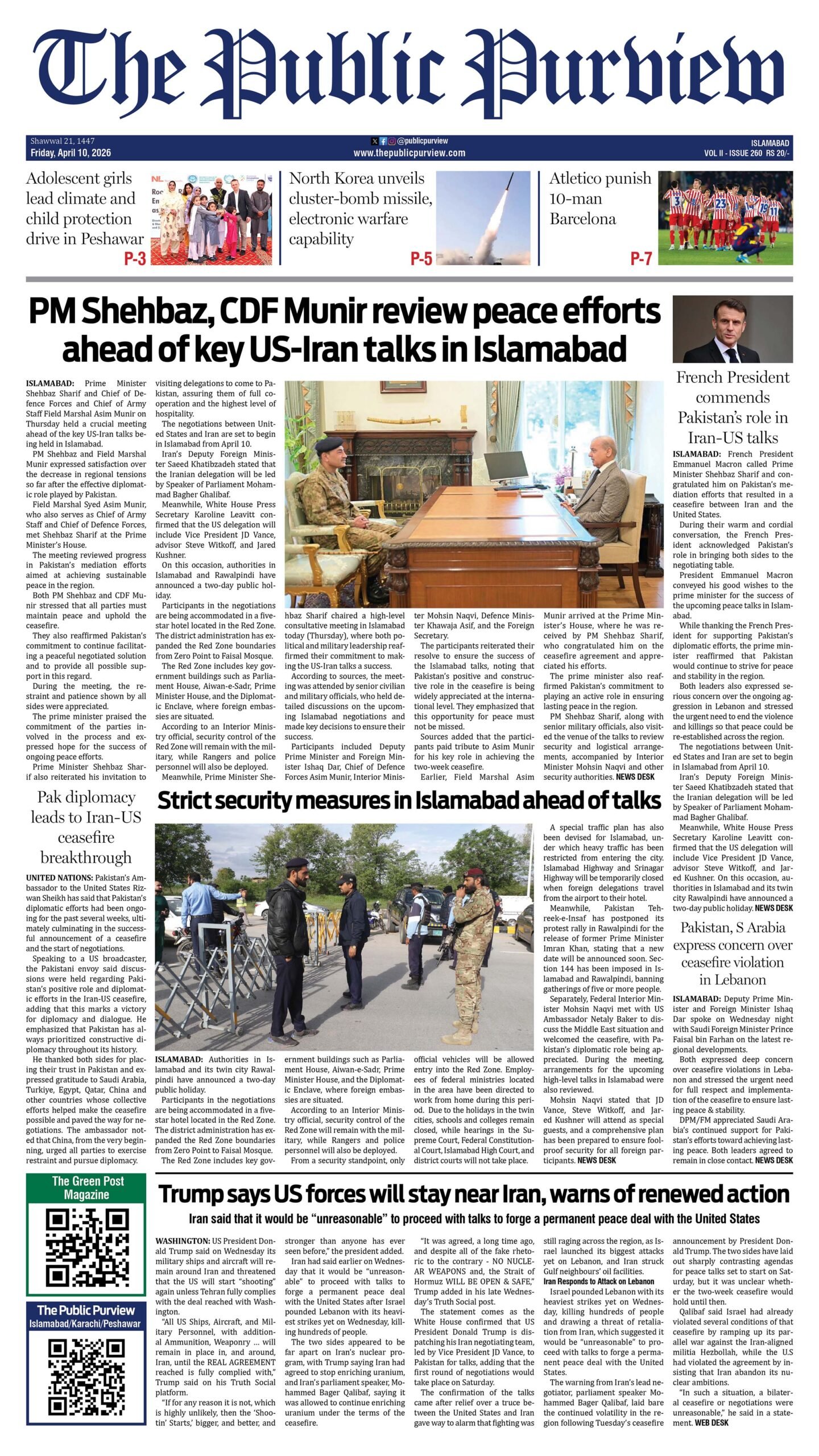 Today's E-Paper