

The growing number of H-1B holders stranded at home reflects more than a temporary immigration disruption; it signals a collective rejection of India as a homeland by a segment of its most skilled professionals. The description of these individuals as “stranded” itself acknowledges their preference for other countries, shaped by what many see as flawed government policies and the resultant decline in economic confidence and civilizational ethos.
Structural Challenges Holding the System Back
The country continues to produce large numbers of skilled professionals, yet simultaneously struggles with governance gaps, infrastructure bottlenecks, uneven public services, and limited high-wage opportunities relative to its population size. This mismatch has intensified frustration, particularly among educated urban populations, who find that domestic institutions fail to absorb or reward their skills adequately.
Why Educated Citizens Are Choosing to Leave
For many educated Indians—especially in technology, medicine, and engineering—migration is increasingly driven not only by economic considerations but also by cultural alienation, lack of opportunities, and growing concerns over religious intolerance in society. These factors together contribute to a weakening emotional and professional attachment to the homeland.
Comparison With Global Opportunity Hubs
By comparison, destinations such as the United States, Canada, and the European Union offer higher incomes, stronger research ecosystems, more predictable regulatory environments, and clearer merit-based career progression. These advantages continue to attract professionals who seek stability, recognition, and long-term growth that they struggle to find domestically.
Rising Frustration Among Those Who Remain
The sense of disillusionment is not limited to those who have already left. Hundreds of millions who remain express fatigue and, increasingly, a desire to migrate. India also suffers from a chronic aspiration gap, where expectations shaped by globalized media collide with slow institutional reform, producing deep frustration among the middle class.
A Widening Aspiration Gap and Loss of Faith
Taken together, these trends suggest that the country underperforms relative to the ambitions of its most mobile citizens. Migration out of India is accelerating, and the language of “stranding” reveals an absolute loss of faith among many skilled professionals in the nation’s future.
Read related news here: https://thepublicpurview.com/world/
For more stories and insights, visit The Green Post




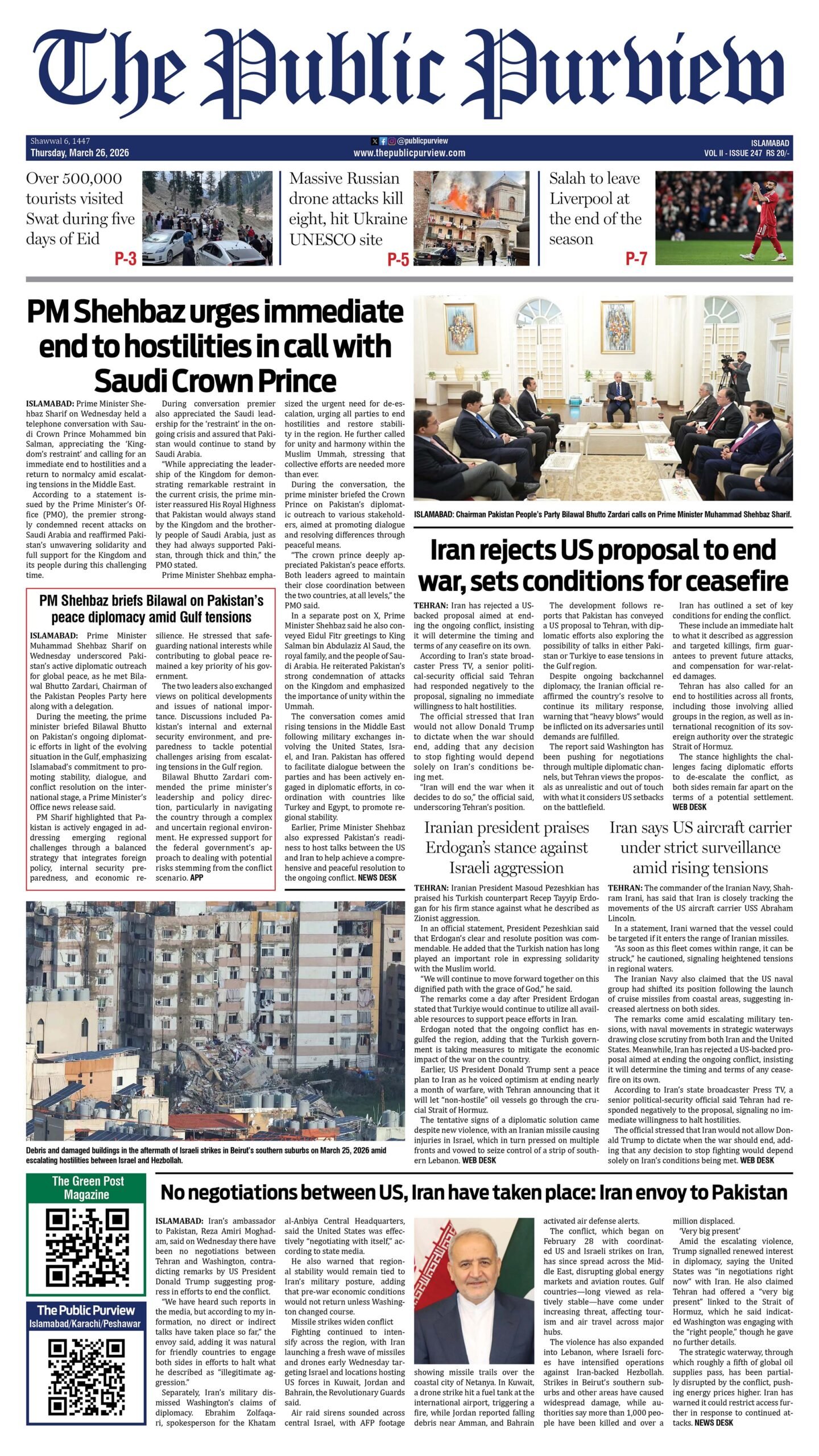 Today's E-Paper