
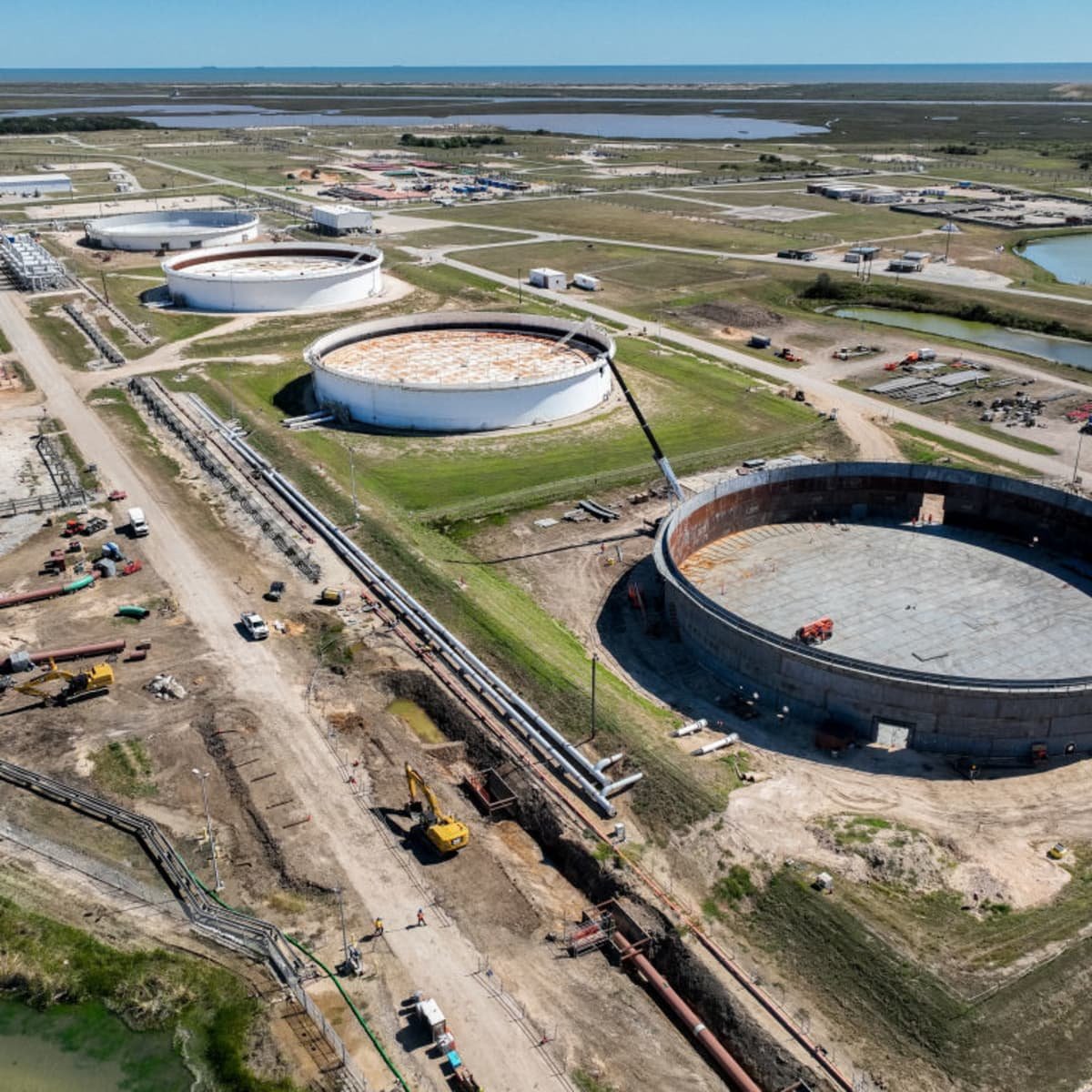
Paris, April 1, 2026 — The global energy market is entering a more severe phase of disruption, with the International Energy Agency warning that oil supply losses could intensify sharply in April following ongoing conflict in the Middle East.
IEA Executive Director Fatih Birol said the crisis has already removed around 12 million barrels of oil per day from global markets — a scale exceeding previous major oil shocks — and warned that supply conditions could deteriorate further in the coming weeks.
Speaking on a podcast, Birol said March supplies were partly sustained by shipments that had already passed through key routes before the conflict escalated. “April will be much worse than March,” he said, noting that disruptions could effectively double as fewer cargoes reach global markets.
The crisis is closely tied to instability around the Strait of Hormuz, a critical route for global oil and gas flows. Ongoing disruption in the region has significantly constrained supply chains and heightened risks across energy markets.
Shortages, inflation risks and global impact
The IEA warned that shortages of refined fuels — particularly jet fuel and diesel — are emerging as a major concern. Supply gaps are already visible in parts of Asia and are expected to extend to Europe by late April or early May.
Birol said the supply shock could push inflation higher, slow economic growth, and increase the likelihood of energy rationing in several countries, especially in emerging markets.
He added that the current disruption is larger than the oil crises of the 1970s and the supply shocks seen after Russia’s invasion of Ukraine, both of which had significant global economic consequences.
Emergency reserves and market response
The agency is now assessing whether to release additional oil from strategic reserves to stabilise markets. Earlier, IEA member countries agreed to release a record 400 million barrels from emergency stockpiles to offset supply disruptions.
Birol cautioned that while such releases may ease short-term pressure, they are not a long-term solution. Restoring normal flows through the Strait of Hormuz remains essential to stabilising the market.
Wider supply chain disruptions
Beyond oil and gas, the conflict is affecting key industrial commodities including petrochemicals, fertilisers and sulphur, raising concerns about broader supply chain disruptions.
Global oil prices have surged since late February, marking one of the sharpest increases in decades, as markets react to supply uncertainty and geopolitical risk.
The IEA has also outlined demand-side measures to ease pressure, including reduced fuel consumption and energy-saving strategies.



 Today's E-Paper