
PESHAWAR — The number of registered thalassemia and other patients at Hamza Foundation Welfare Hospital, Peshawar, has reached 1,560, with new cases continuing to be reported, the organisation said on Tuesday.
The Foundation has appealed to the government, philanthropists, civil society organisations and the business community to support its services through blood donations, financial assistance and institutional backing to help sustain treatment for poor and deserving patients.
The appeal was made during a review meeting on medical services and overall performance, chaired by Hamza Foundation Chairman Ejaz Ali Khan, where a detailed report on patient care and operations was presented.
Also Read: Anti-polio campaign continues in Mardan until February 5
Speaking at the meeting, Ejaz Ali Khan said thalassemia and hemophilia are hereditary diseases passed from parents to children, leading to lifelong anemia and repeated medical interventions. He said the absence of mandatory pre-marital thalassemia screening in Khyber Pakhtunkhwa, along with the prevalence of cousin marriages, has contributed to a steady rise in cases.
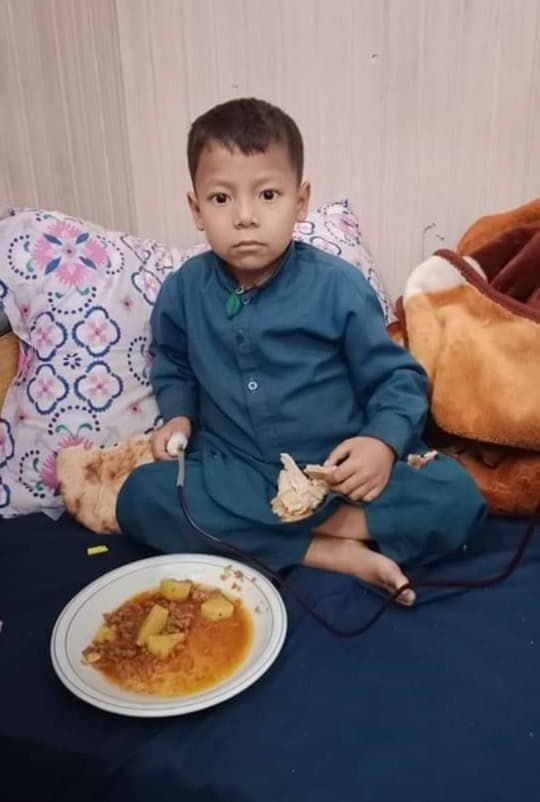
He explained that children with thalassemia require regular blood transfusions every 15 days, a process that is physically painful and emotionally distressing for both patients and their families.
Despite limited resources, he said, Hamza Foundation is currently providing 60 to 70 blood bags daily free of cost, along with essential medicines and two meals a day to registered low-income patients. These services, he added, are delivered using modern medical equipment and facilities.
Ejaz Ali Khan also highlighted the Foundation’s preventive efforts, stating that 447 Chorionic Villus Sampling (CVS) tests have been conducted to help prevent the transmission of thalassemia to future generations. He said millions of rupees are spent annually on treatment and prevention services.
However, he warned that the Foundation faces serious challenges, including shortages of blood bags, building rent, utility bills and other operational expenses. He urged parliamentarians, civil society members and business leaders to step forward and support the organisation to ensure uninterrupted care for patients.





 Today's E-Paper