
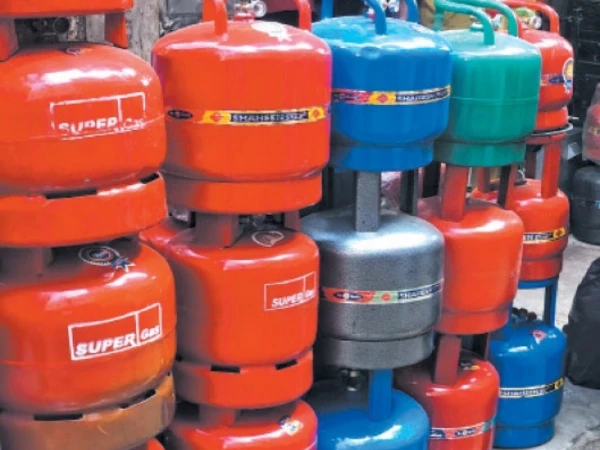
ISLAMABAD, November 3, 2026: The federal government has announced the abolition of discretionary liquefied petroleum gas (LPG) quotas and plans to open imports to greater competition, aiming to curb market monopolies and address pricing practices that have pushed LPG prices as high as Rs800 per kilogram.
Information Minister Attaullah Tarar and Petroleum Minister Ali Pervaiz Malik announced the decision at a joint press conference, outlining measures intended to improve competition, increase transparency and provide relief to consumers facing high energy costs.
Tarar said the government had decided to dismantle the longstanding discretionary quota system in the LPG sector, which he said had allowed a limited number of individuals to dominate the market.
Under the proposed reforms, LPG imports will be opened on a competitive basis, allowing greater market participation and reducing the influence of established operators.
The information minister said certain market participants had exploited supply conditions to charge consumers excessive prices, with LPG reportedly selling for as much as Rs800 per kilogram.
He described the decision to eliminate discretionary quotas as part of broader structural reforms introduced by Prime Minister Shehbaz Sharif’s government to improve transparency and protect consumers.
Addressing energy prices, Tarar said the government intended to pass on the benefits of declining international oil prices to the public.
He said the prime minister had prioritised consumer relief during the energy crisis, including through subsidies and temporary reductions in the petroleum levy despite difficult economic conditions.
According to the minister, refinery profits had also been passed on to consumers for the first time as part of the government’s efforts to ease financial pressure on households.
Tarar said the Oil and Gas Regulatory Authority (OGRA) had begun publishing detailed information on its website, describing the initiative as a step towards greater transparency in the energy sector.
He added that reforms were being implemented across different sectors, citing an additional Rs60 billion in tax revenue collected from the sugar industry.
The government has also begun preparing a strategy to ensure gas availability during winter, with the prime minister directing relevant ministers to continue implementing consumer relief measures.
Tarar said the administration remained open to proposals from Jamaat-e-Islami and had invited the party to present practical solutions and technical recommendations for reducing the burden on consumers.
He maintained that the government would consider further relief measures wherever financially and technically feasible.
The LPG policy changes form part of the government’s wider economic reform agenda, with officials seeking to replace discretionary arrangements with a more competitive and transparent market structure.