

By Khola Gulzar
In the twenty-first century, the debate between globalism and nationalism has become one of the most defining conversations of our political and social landscape. At first glance, both ideas appear opposite, one calling for broader international cooperation and the other insisting on the primacy of national identity and interests. But in reality, they are not simple extremes. They shape the way countries interact, the way societies grow, and the way individuals understand their place in the world.
How Globalism Shapes International Cooperation
Globalism is rooted in the idea that the world is interconnected. Nations connect through trade, technology, and cultural exchange. Borders do not disappear, but they become softer in meaning. A country engaged in globalism believes that cooperation brings prosperity. For example, international agreements on climate, trade routes linking continents, and educational programs connecting students from different cultures all reflect a globalist outlook. Supporters of globalism argue that challenges like climate change, economic instability, and digital security cannot be managed by a single nation. These problems cross borders therefor,e solutions must also cross borders.
Nationalism and the Protection of Identity
Nationalism focuses on the identity and interests of a country. The idea is simple: a nation must protect its culture, economy, and security. Nationalism rises when people feel threatened by rapid global changes or fear losing control over their own destiny. It insists that a country should not compromise its values or its sovereignty for the sake of international pressure or trends. Supporters of nationalism believe that protecting borders and traditions strengthens unity. They say that without a firm national identity, a country becomes dependent on outsiders and vulnerable to exploitation.
Finding Balance Between Globalism and Nationalism
Both sides present strong arguments. Globalism brings cooperation but may weaken local industries or traditions. Nationalism strengthens identity but may isolate a country or create confrontation. The real question is not which ideology should dominate; the real question is how these two forces can balance each other.
Why Modern Nations Need Both Approaches
Modern societies need global connections because no nation can survive alone in the digital age. Trade is essential for economic growth. Knowledge exchange pushes progress. International peace efforts maintain stability. Yet nations also need to protect their independence, their culture, and their right to make decisions that reflect their people and their values. Without this protection smaller countries can lose their voice in the global arena.
Practical Coexistence of Globalism and Nationalism
We often see globalism and nationalism presented as conflicting forces, but in practice, they can work together. A nation can participate in global trade while strengthening its agriculture, industry, and education. A nation can welcome global ideas while preserving its own culture. Balanced policies can protect local workers from unfair competition, encourage responsible international cooperation, and maintain strong national institutions.
Examples of Balanced National Strategies
For example, Japan trades globally but protects its cultural identity. Norway engages in international agreements but manages its own resources with strict national control. Even developing countries are learning to use global connections while maintaining their sovereignty. These examples show that balance is possible.
Public Perception and the Need for Balanced Policy
Media and public opinion often exaggerate the divide between globalism and nationalism. In reality, people want jobs, security, and respect for their culture. They also want access to global opportunities, modern education, and a peaceful world. These desires exist together, not separately. The challenge is to design policies that serve both needs.
Role of Education in Understanding Balance
Education plays an important role. When citizens understand how global markets work or why international cooperation matters, they make informed decisions. At the same time when people learn about their own history and heritage, they strengthen their national identity. Awareness prevents fear, and fear is what often creates extreme nationalism or extreme globalism.
Responsible Leadership for National and Global Stability
Leadership also matters. Leaders must communicate clearly why cooperation is necessary and where national interests must be defended. Honest leadership prevents misunderstandings between communities. It also builds trust so that people do not feel insecure or ignored.
A Middle Path for Future Nations
In the end, globalism and nationalism are not enemies. These are two guiding principles, and nations must choose how to balance them based on their needs. A country that isolates itself will miss opportunities. A country that opens itself without limits may lose its stability. The future belongs to nations that find a middle path between globalism and nationalism.
Why the Debate Matters for Pakistan
For countries like Pakistan, this conversation is especially important. Pakistan sits in a region full of economic potential and strategic importance. The country needs global investment, modern technology, and strong partnerships, but at the same time, it must protect its own resources, traditions, and security. Learning from the experiences of other nations, Pakistan can build a mixed strategy, one that promotes cooperation with the world but keeps national interest at the center.
Balanced Perspectives Lead to Stronger Societies
The global debate on globalism and nationalism will continue, but thoughtful voices like Khola Gulzar remind us that understanding both sides of the argument is the first step toward progress. When we remove fear and focus on reason, we see that globalism and nationalism are not battles to be won but forces to be balanced.
Such a balance between globalism and nationalism creates strong nations and a stable world.
Read more expert opinions here: https://thepublicpurview.com/category/blog/
For more stories and insights, visit: The Green Post



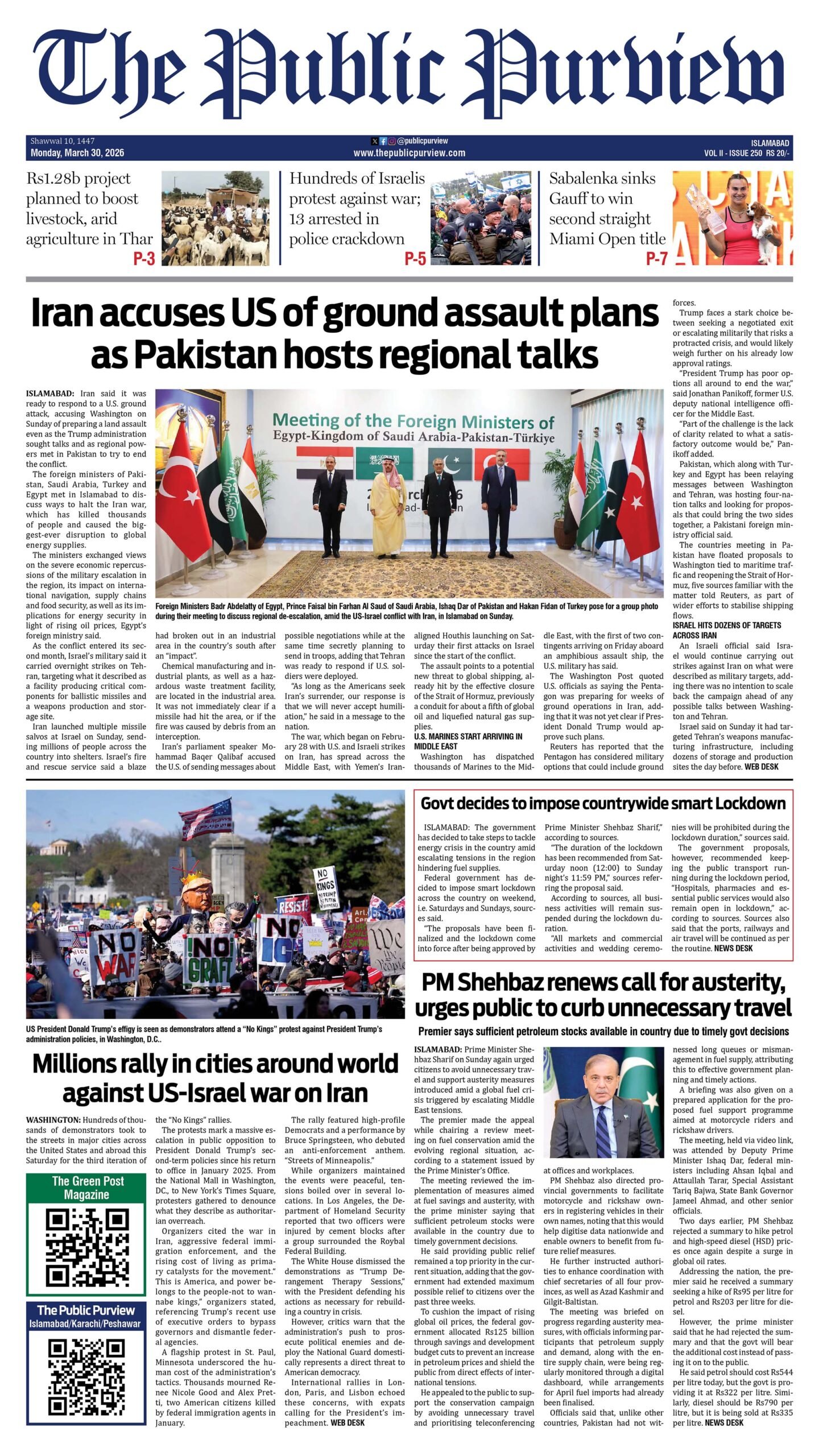 Today's E-Paper