
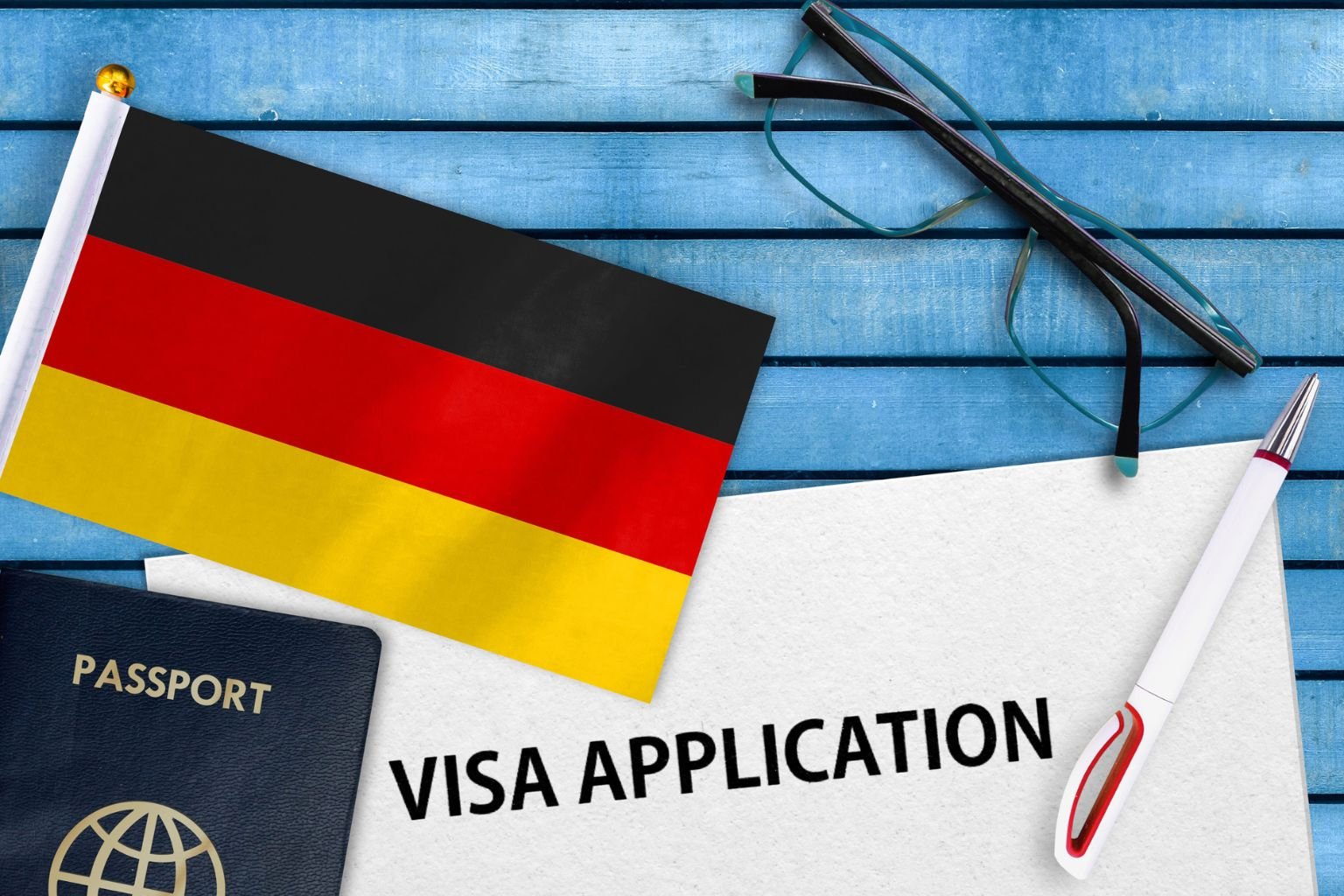
Germany has introduced a fully digital visa application system for Pakistani citizens, a move aimed at speeding up processing, improving transparency, and ending years of long waiting lists at consulates. The German Consulate General has confirmed that student and employment-related visa applications will now be handled through a centralized online portal, marking a major shift in how visas are submitted and processed.
For Pakistani students and professionals, the change represents one of the most significant visa reforms in recent years. The new system replaces manual queues and limited appointment slots with an online-first approach designed to streamline applications and increase overall visa issuance.
Why Germany shifted to a digital visa process
German authorities say the decision was driven by persistent challenges faced by applicants, including overcrowded waiting lists, slow appointment cycles, and administrative backlogs. Digitization, officials argue, is the most effective way to address these issues while ensuring fairness and efficiency.
Under the new framework, the system is expected to accelerate processing times, eliminate outdated waiting lists, offer fairer appointment allocation, expand visa capacity, and provide applicants with real-time status updates.
The reform also aligns with Germany’s broader migration strategy to attract international students, skilled workers, and vocational trainees amid growing labor shortages.
Old visa waiting lists closed
A key element of the announcement is the immediate closure of all existing visa waiting lists. The consulate has clarified that previous lists have been deleted and no applicants will be contacted under the old system. Only those who already hold confirmed appointments will continue through the previous process. All other applicants must submit fresh applications through the new online portal.
Every new visa application will now begin digitally from December 12, 2025.
When online applications will open
According to the German Consulate, the online submission system will officially open on December 12, 2025. From that date onward, all new visa applications from Pakistan must be initiated through the designated digital portals.
Separate portals for student and work visas
To avoid confusion, Germany has divided visa categories across two online platforms.
Student visa applications will cover bachelor’s, master’s and PhD programs, foundation year courses, and study-related language visas. Employment and long-term stay visas will include skilled worker visas, Ausbildung training, job seeker visas, IT and healthcare professionals, researchers, and family reunification cases.
Each portal provides step-by-step guidance, document checklists, and digital forms that must be completed before an appointment is scheduled.
How the new system works
Applicants will begin by selecting the correct visa category and creating an online profile. Required documents, such as passports, admission letters, employment contracts, APS certificates, language credentials, and proof of funds, must be uploaded digitally.
Once the application is submitted, appointments will be assigned based on application completeness, visa type, and processing capacity. Applicants will then attend their scheduled appointment at the embassy or consulate and track updates through the online portal.
What this means for Pakistani applicants
Germany remains a top destination for Pakistani students, engineers, IT specialists, healthcare workers, and vocational trainees. The new system is expected to reduce delays, improve transparency, shorten waiting times, and remove the uncertainty associated with long queues.
With Germany projected to need millions of skilled workers by 2030, Pakistan has emerged as an important source country under Germany’s evolving migration policies.
What remains unchanged
Despite the digital shift, core visa requirements remain in place. Students will still need APS verification where applicable, blocked accounts will continue to be mandatory, recognized qualifications are required for employment visas, and biometric submission at consulates will remain compulsory. The reform primarily changes how applications are submitted and managed at the initial stages.
Read related news here: https://thepublicpurview.com/category/tourism/
For more stories and insights, visit The Green Post



 Today's E-Paper