
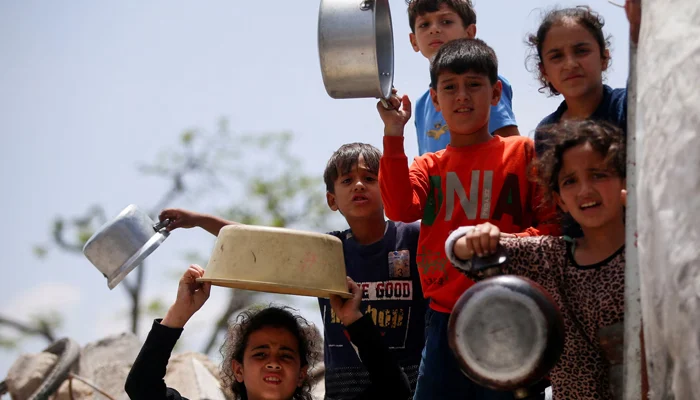
GAZA, October 19, 2026: The United Nations World Food Programme (WFP) has sharply reduced food assistance in Gaza because of funding shortages, cutting the number of monthly aid recipients by 500,000 as an estimated 1.4 million people face severe food shortages across the Palestinian territory.
According to the WFP, the number of people receiving monthly food assistance has fallen from 1.6 million to 1.1 million, while food rations have been reduced by 50%, raising concerns about access to essential supplies for vulnerable families.
The agency has also reduced the number of ready-to-eat meals distributed daily from 250,000 to 150,000, a decline of 100,000 meals.
The reductions have particularly affected families living in hard-to-reach areas of Gaza, where access to regular food assistance is already limited.
In some remote locations, families are now receiving a meal only once every two days, according to the report.
WFP cuts food assistance amid funding shortages
The World Food Programme said financial constraints had forced it to scale back humanitarian food assistance despite the continuing needs of Gaza’s population.
The reduction in monthly beneficiaries means approximately half a million fewer people are receiving assistance under the programme compared with the previous level.
At the same time, the 50% cut in food rations means that people who remain eligible for assistance are receiving smaller quantities of food.
The decline in daily prepared meals has further reduced the availability of immediate food support for families dependent on humanitarian distributions.
1.4 million people facing severe food shortages in Gaza
According to the WFP, approximately 1.4 million people in Gaza are experiencing severe food shortages.
The agency attributed the reductions in its assistance programmes to insufficient funding, which has limited its ability to maintain previous distribution levels.
The cuts affect both monthly food supplies and prepared meals, placing additional pressure on households that rely on humanitarian assistance to meet their daily nutritional needs.
Families in difficult-to-access areas face particular challenges because food deliveries are less frequent.
The WFP’s reported figures highlight the scale of Gaza’s continuing food assistance needs as funding constraints force reductions in humanitarian support.