
Introduction: A digital shift in Pakistan’s tax system
Pakistan’s tax system has long struggled with undocumented retail activity and widespread tax evasion. In response, the Federal Board of Revenue introduced the Point of Sale (POS) system—a technology-driven reform aimed at bringing transparency to the country’s vast retail sector.
The initiative marks a significant step toward digitisation, documentation, and real-time monitoring of sales transactions, particularly in large retail outlets.
What is the FBR POS system?
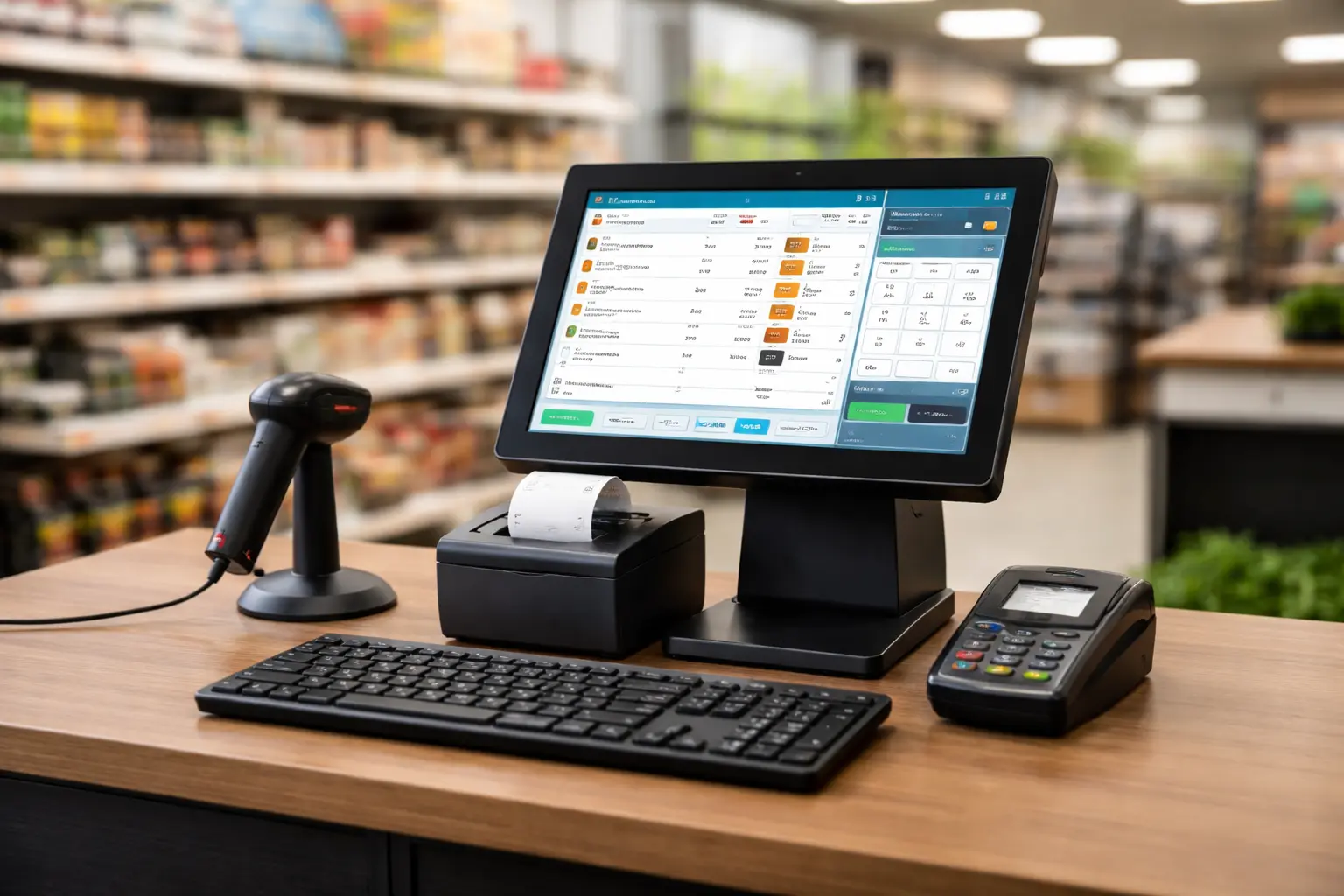
The FBR POS system is a real-time digital integration mechanism that connects a retailer’s sales system directly with FBR’s central database.
Whenever a transaction takes place at a registered outlet:
- A computerized receipt is generated
- The sale is instantly recorded with FBR
- A QR code or invoice number is issued to the customer
In essence, the system transforms retail counters into live reporting points for tax authorities.
The system is currently mandatory for Tier-1 retailers, including:
- Large shopping malls
- Branded outlets
- Chain stores
- High-turnover businesses
Also Read: Pakistan integrates 12,800+ retailers into digital POS system to meet IMF target
How the system works in practice
At the operational level, the system is designed to be seamless:
- A customer makes a purchase at a POS-integrated store
- The system generates a digital invoice with a QR code
- The sale is automatically transmitted to FBR servers
- The customer can verify the receipt via the Tax Asaan app or SMS
This process ensures that every transaction is documented, leaving minimal room for concealment or manipulation.
Why it matters for the public
1. Transparency and fair pricing
The POS system ensures that every purchase is officially recorded. This reduces:
- Overcharging
- Fake billing
- Hidden taxes
Consumers gain confidence that they are paying the correct amount.
2. Consumer empowerment through verification
Customers can independently verify whether their purchase has been reported to FBR. This introduces a citizen-led accountability mechanism, where buyers actively participate in ensuring tax compliance.
3. Incentives through prize schemes
To encourage public participation, FBR introduced POS invoice prize schemes, offering cash rewards to consumers who verify receipts.
This initiative:
- Promotes demand for proper invoices
- Discourages undocumented transactions
- Creates a culture of compliance at the grassroots level
4. Protection against fraud
With every transaction digitally recorded:
- Retailers cannot easily deny sales
- Customers have proof of purchase
- Disputes over pricing or taxation can be resolved more easily
Economic impact: Why POS is crucial for Pakistan
1. Expanding the tax base
Pakistan’s retail sector is one of the largest yet least documented parts of the economy. Estimates suggest that:
- Total retail transactions run into trillions of rupees annually
- A significant portion remains outside the tax net
The POS system helps bring this undocumented activity into the formal economy, broadening the tax base.
2. Increasing government revenue
By ensuring real-time reporting of sales:
- Tax evasion is reduced
- Sales tax collection improves significantly
In recent years, POS-linked revenues have shown strong growth, reflecting improved documentation and compliance.
Higher revenues enable the government to:
- Reduce fiscal deficits
- Increase development spending
- Strengthen economic stability
3. Reducing tax evasion and corruption
The POS system directly targets:
- Under-invoicing
- Sales concealment
- Parallel cash economies
Automation minimizes human discretion, making the system less prone to corruption and manipulation.
4. Creating a level playing field for businesses
Previously, compliant businesses faced unfair competition from those avoiding taxes. With POS:
- All major retailers are monitored equally
- Honest businesses are protected
- Market competition becomes more transparent
5. Supporting digital transformation of the economy
The POS initiative aligns with Pakistan’s broader shift toward:
- Digital payments
- E-governance
- Data-driven policymaking
It strengthens the foundation for a modern, documented, and traceable economy.
6. Enabling better policymaking
Real-time sales data provides valuable insights into:
- Consumer behavior
- Sectoral growth
- Economic trends
This allows policymakers to design more targeted and effective economic policies.
Challenges and limitations
Despite its benefits, the system faces several hurdles:
- Resistance from retailers reluctant to disclose actual sales
- Limited coverage beyond Tier-1 retailers
- Technical and connectivity issues in smaller cities
- Need for stronger enforcement mechanisms
Addressing these challenges is critical for maximizing the system’s impact.
Conclusion: A step toward economic formalisation
The FBR POS system represents more than just a technological upgrade—it is a structural reform aimed at transforming Pakistan’s economic landscape.
For the public, it offers transparency, protection, and incentives.
For the economy, it delivers higher revenues, reduced tax evasion, and a stronger foundation for sustainable growth.
As Pakistan continues its journey toward documentation and digitisation, the success of the POS system will play a pivotal role in shaping a fairer, more accountable, and economically resilient future.





 Today's E-Paper