
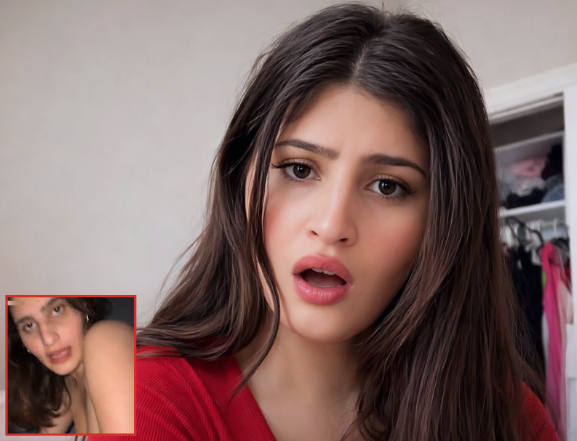
A famous Afghan TikToker has come under intense public criticism after alleged private content linked to the influencer began circulating widely on social media platforms in recent days.
The viral spread of the material triggered strong reactions online, with users across platforms debating privacy, ethics, and the responsibility of digital audiences. The incident has once again highlighted how quickly unverified or leaked content can gain traction in the age of social media.
Also Read: Dua Lipa makes rare political statement on Iran, sparking mixed reactions
Online reaction and privacy concerns
Following the circulation of the alleged leaks, the TikToker faced backlash from sections of the online community. Many social media users condemned the sharing of private material, while others raised questions about digital safety and consent in online spaces.
Media analysts say such incidents underline growing concerns around online harassment and privacy violations, particularly involving social media personalities who already face intense public scrutiny.
Broader debate on social media ethics
The situation has sparked a wider conversation about the treatment of influencers and content creators on platforms like TikTok. Digital rights advocates stress that sharing or amplifying leaked content regardless of public status can cause long-term personal and professional harm.
Experts also note that creators from conservative or conflict-affected regions often face harsher judgment and greater risks when controversies emerge online.
Silence from the influencer
As of now, the TikToker has not issued any public statement addressing the viral content or the backlash. Supporters have urged restraint, calling for respect for privacy and caution against spreading unverified material.
The incident serves as a reminder of the need for responsible online behavior and stronger protections for individuals against digital abuse.





 Today's E-Paper