
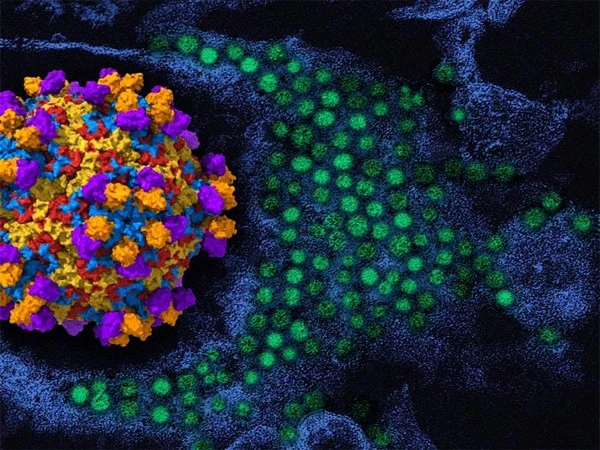
A respiratory virus that can, in rare cases, cause a polio-like neurological illness in children is showing increased activity in parts of California, according to wastewater monitoring data.
Enterovirus D68 (EV-D68) levels have been rising in several areas of the Bay Area, including Palo Alto, Napa, southeastern San Francisco and San Rafael, based on data from WastewaterSCAN, which monitors traces of viruses in municipal wastewater.
EV-D68 is one of more than 100 non-polio enteroviruses. The virus typically circulates more widely toward the end of summer and the beginning of autumn.
Most infections produce respiratory symptoms similar to a common cold, including coughing, difficulty breathing and wheezing.
According to the US Centers for Disease Control and Prevention (CDC), infected children may also develop fever. In some cases, the infection can lead to more serious respiratory complications, including severe breathing difficulties and pneumonia.
Infants, young children and teenagers may face a greater risk of severe illness because they may not have developed immunity from previous exposure to the virus.
Health experts say that in extremely rare cases, EV-D68 can be associated with acute flaccid myelitis (AFM), an uncommon but serious neurological condition that primarily affects children.
Symptoms of AFM generally appear several weeks after an EV-D68 infection. Parents are advised to seek immediate medical attention if a child develops severe breathing problems or unusual neurological symptoms, such as sudden weakness or loss of muscle function.
Health authorities continue to monitor respiratory virus activity as seasonal circulation increases.