
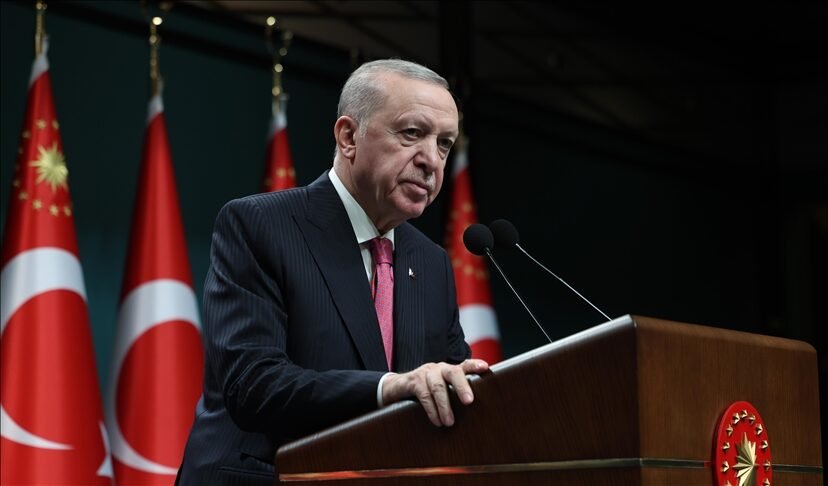
Istanbul: Turkish President Recep Tayyip Erdogan said divisions based on sectarian identity weaken the Muslim world, stressing that Islam should unite Muslims rather than divide them into sects.
Speaking at a news conference in Istanbul after the 13th summit of the Organisation of Islamic Cooperation (OIC), Erdogan said the Islamic world faces major challenges including sectarianism, racism and terrorism.
“These seriously weaken us,” Erdogan said, referring to divisions among Muslim societies.
The Turkish president emphasized that Muslims should not define themselves by sectarian labels. He said he did not identify as belonging to either the Shia or Sunni sect, adding that Islam itself should be the primary identity.
“We have one religion: Islam. I am a Muslim,” he said.
Focus on terrorism and unity
Erdogan also reiterated that extremist groups such as Islamic State (Daesh) and Boko Haram do not represent Islam.
According to Erdogan, leaders from member states discussed terrorism and sectarian tensions during the two-day summit and agreed on the need for stronger cooperation to counter militant organizations.
He thanked OIC member countries for supporting the establishment of a police cooperation and coordination center in Istanbul and expressed support for initiatives aimed at strengthening joint action against terrorism.
Role of the OIC
Erdogan said the OIC must focus on addressing challenges faced by Muslims globally.
He emphasized that issues affecting Muslim communities should be resolved through cooperation among Muslim-majority countries, rather than relying on outside actors.
The Turkish president described the summit as “historic” and expressed hope that Islamic countries would strengthen unity and solidarity.
Turkey assumed the chairmanship of the organization for the next two years after taking over the role from Egypt.
About the OIC
Founded in 1969, the Organisation of Islamic Cooperation consists of 57 member states and serves as a platform representing the collective voice of the Muslim world.
During the summit, leaders also discussed conflicts and political developments in several regions, including Syria, Yemen, Palestine, Iraq and Azerbaijan.

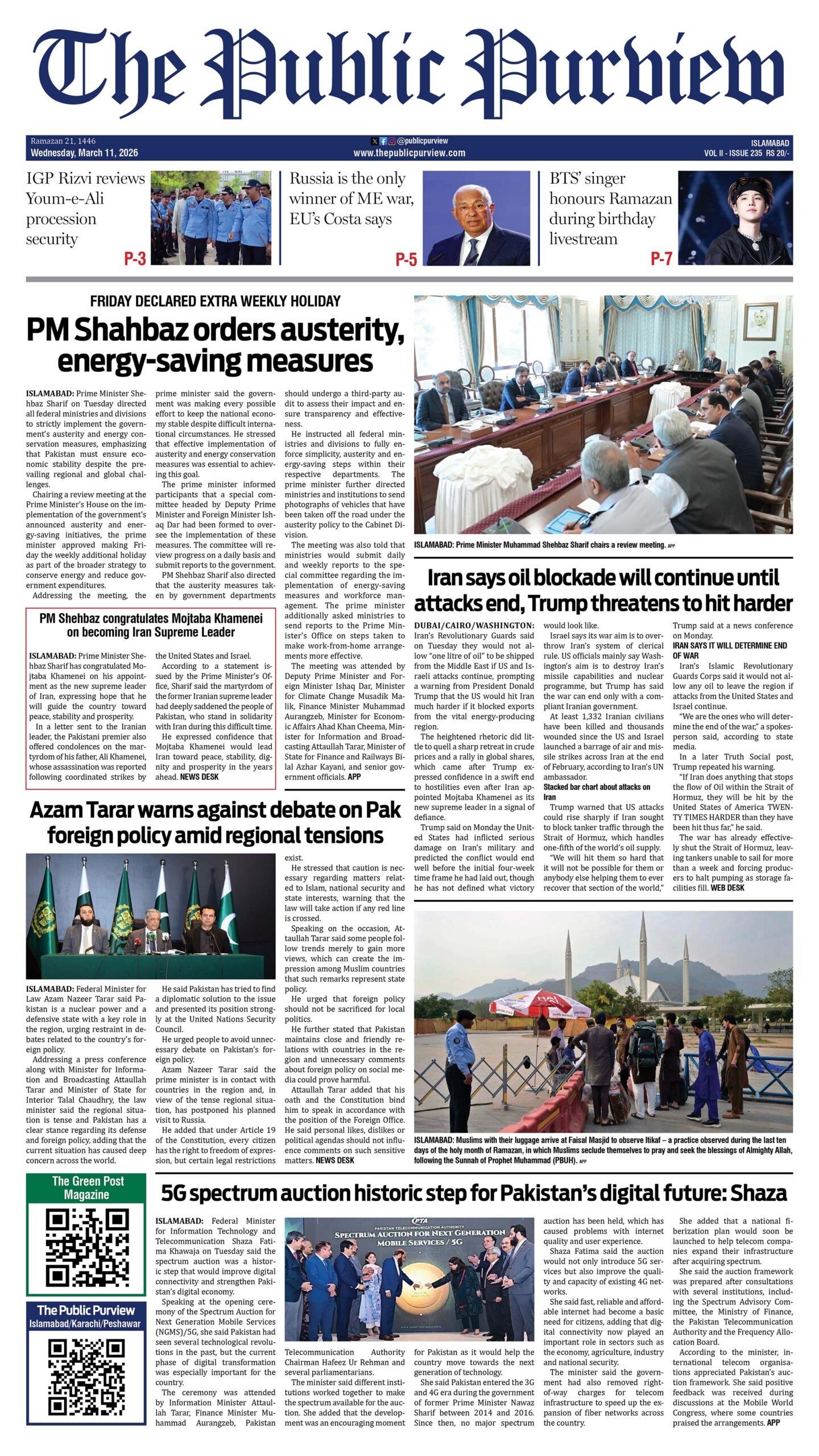 Today's E-Paper