
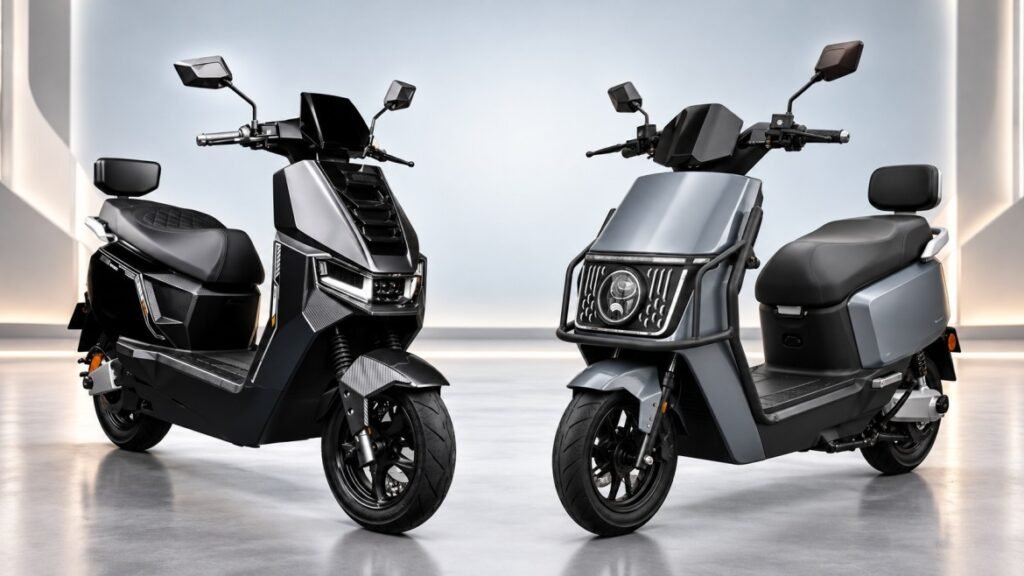
ISLAMABAD, November 2, 2026: Electric scooter owners across Pakistan are raising concerns over poor after-sales support, unresolved battery problems, unavailable spare parts and disputed warranty claims, highlighting growing challenges for consumers switching from petrol-powered motorcycles to electric vehicles.
Complaints involving several electric scooter brands, including EVEE, Road King, AIMA and REVOO, point to recurring problems with technical repairs, service centre communication and warranty handling, according to a report published by automotive platform PakWheels.
The complaints, gathered from consumer forums and social media platforms, suggest that some electric scooter owners face repeated workshop visits, unclear repair charges and delays in obtaining replacement components.
Unlike conventional motorcycles, which can generally be repaired at independent workshops, electric scooters rely on specialised components such as batteries, controllers, sensors and chargers. These parts often require trained technicians and manufacturer-specific replacements.
Battery-related complaints have emerged as a major concern because batteries are among the most expensive components of electric scooters.
A Road King customer in Faisalabad alleged that a damaged scooter battery remained unresolved despite repeated complaints and visits to the company’s service facilities. The owner also complained about inadequate technical assistance.
In another case involving an AIMA electric scooter, a customer reported charging problems approximately 15 months after purchasing the vehicle.
The owner claimed the battery was still covered under warranty but alleged that the dealership initially suggested external charging and later demanded additional payment.
The customer further alleged that a second-hand battery was installed instead of a new replacement, with charging problems reportedly returning two months later.
Similar concerns have been reported by EVEE customers.
One scooter owner in Lahore complained about the handling of brake and horn problems at the company’s Johar Town service facility.
According to the complaint, technicians recommended replacing components rather than repairing them, while some required parts were unavailable.
The customer also alleged that repair charges were communicated verbally without a proper price list and that obtaining an invoice required repeated requests.
The owner claimed that a handwritten receipt eventually provided by the workshop contained an incorrect scooter model.
Further problems reportedly emerged when service centre employees were unaware of an earlier discussion with customer support regarding a controller replacement.
The customer alleged that an older controller was temporarily installed, after which the scooter developed additional operational problems.
A REVOO customer also complained publicly about unresolved buzzer and sensor issues, alleging that repeated attempts to contact after-sales personnel failed to produce a satisfactory response.
The complaints highlight concerns about the availability of trained technicians capable of diagnosing faults in electric scooter batteries, controllers, wiring systems and other electronic components.
Without proper diagnostic equipment and technical expertise, owners may face repeated repairs without the underlying problem being resolved.
Spare parts availability has emerged as another challenge, with customers reporting delays in obtaining controllers, sensors, chargers and other components from authorised service centres.
Because many electric scooters use proprietary electronic systems, owners may have limited alternatives when manufacturers or dealerships cannot provide replacement parts.
Warranty disputes have also raised questions about consumer protection in the emerging electric two-wheeler market.
Some customers alleged that they were asked to pay for battery repairs or replacements despite believing their vehicles remained under warranty.
Others reported uncertainty over whether replacement batteries would be new or refurbished, whether labour charges were covered and how long warranty claims should take.
The complaints also point to communication gaps between dealerships, customer support departments and company head offices, with some owners claiming that repair commitments made over the telephone were not communicated to workshop staff.
The report highlighted the need for electric scooter manufacturers to improve technical training, maintain adequate spare parts inventories, introduce transparent repair charges and establish clear warranty procedures.
It also called for better coordination between service centres and customer support teams to ensure complaints are properly recorded and resolved.
Electric scooters are increasingly promoted as an alternative to petrol-powered motorcycles because of their lower running costs. However, unresolved maintenance problems and weak after-sales support could undermine consumer confidence in electric mobility.
The complaints suggest that manufacturers will need to strengthen their service networks and warranty systems to retain customers and support the long-term growth of electric two-wheelers.