
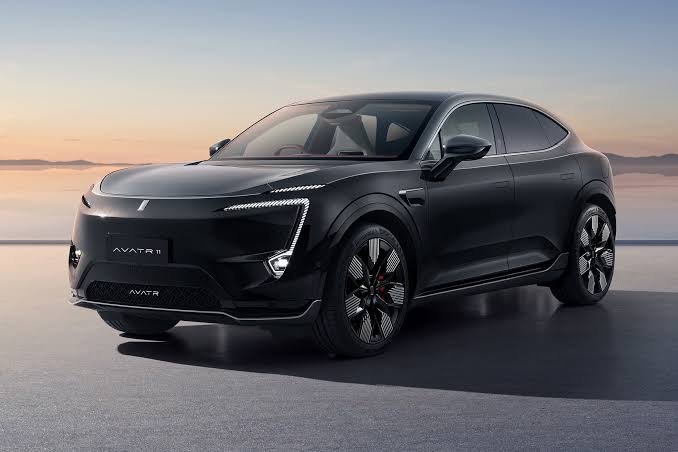
ISLAMABAD: Pakistan’s electric vehicle market is expanding, with several manufacturers introducing electric sedans, SUVs and luxury vehicles equipped with batteries exceeding 100 kilowatt-hours (kWh), offering buyers more options for long-distance travel.
According to an October 2026 comparison published by PakWheels, the Avatr 11 Royal Edition AWD leads the list of electric vehicles with the largest advertised battery capacities available through official sales channels in Pakistan.
The comparison covers fully electric passenger vehicles introduced in the Pakistani market as of October 19, 2026, excluding hybrid vehicles, range-extender models and privately imported used cars.
Top 10 electric cars with the largest batteries in Pakistan
| Rank | Electric vehicle | Battery capacity |
|---|---|---|
| 1 | Avatr 11 Royal Edition AWD | 116.79 kWh |
| 2 | ZEEKR 009 | 116 kWh |
| 3 | BMW i7 M70 xDrive (updated specification) | 112.4 kWh |
| 4 | BMW iX xDrive60 | 109.1 kWh |
| 5 | XPENG X9 Long Range Pro+ | 101.5 kWh |
| 6 | ZEEKR 7X Long Range RWD | 100 kWh |
| 7 | Kia EV9 GT-Line | 99.8 kWh |
| 8 | Audi Q6 e-tron quattro | 94.9 kWh |
| 9 | Deepal E07 Performance AWD | 89.98 kWh |
| 10 | Kia EV5 Earth Long Range AWD | 88.1 kWh |
Source: PakWheels, October 21, 2026. Figures reflect advertised battery capacities, which may use different measurement standards.
Avatr 11 tops Pakistan’s EV battery rankings
The luxury electric SUV features a dual-motor all-wheel-drive system producing 529 horsepower and offers a manufacturer-claimed driving range of 630 kilometres under the NEDC testing cycle.
It also features an 800-volt electrical architecture designed to support high-power DC charging.
ZEEKR 009 and BMW i7 among leading models
Its manufacturer-claimed WLTP range stands at 582 kilometres.
The BMW i7 M70 xDrive follows with approximately 112.4 kWh of usable battery capacity in its updated specification, while earlier versions carry a smaller 101.7 kWh usable battery. Buyers should verify the model year and specifications of vehicles delivered in Pakistan.
The BMW iX xDrive60 ranks fourth with a 109.1 kWh usable battery and a manufacturer-claimed WLTP range of 563 to 701 kilometres, depending on configuration.
Other major electric vehicles available in Pakistan
The XPENG X9 Long Range Pro+ carries a 101.5 kWh battery and offers seven-seat accommodation, while the ZEEKR 7X Long Range RWD features a 100 kWh battery with a claimed WLTP range of 615 kilometres.
Kia’s EV9 GT-Line, equipped with a 99.8 kWh battery, provides a six-seat SUV configuration and dual-motor all-wheel drive.
The Audi Q6 e-tron quattro offers 94.9 kWh of usable battery capacity, while the Deepal E07 Performance AWD features an 89.98 kWh battery.
Completing the ranking is the Kia EV5 Earth Long Range AWD, which uses an 88.1 kWh lithium iron phosphate battery and has a manufacturer-claimed range of 620 kilometres.
Does a bigger EV battery mean more driving range?
A larger battery does not necessarily guarantee a longer driving range.
For example, the ZEEKR 7X Long Range RWD and Performance AWD both feature 100 kWh batteries, but their claimed WLTP ranges differ significantly.
The Long Range RWD offers 615 kilometres, compared with 543 kilometres for the Performance AWD.
Vehicle weight, motor efficiency, driving speed, tyres, weather conditions and air-conditioning usage can all influence how far an electric car travels on a single charge.
Manufacturers also use different testing standards, including WLTP and NEDC, making direct comparisons difficult.
What Pakistani EV buyers should consider
Battery capacity is only one factor when selecting an electric vehicle in Pakistan.
Buyers should also examine the vehicle’s actual usable battery capacity, local charging infrastructure, warranty coverage and authorised servicing facilities.
Pakistan’s high summer temperatures make battery cooling and thermal management particularly important.
For home charging, a vehicle with 100 kWh of usable battery capacity would require approximately 60 kWh of electricity to charge from 20 percent to 80 percent.
Using an 11 kW AC charger, the theoretical minimum charging time would be around five and a half hours, although actual charging may take longer.
The comparison highlights the growing variety of electric vehicles entering Pakistan’s market, from family SUVs to luxury sedans and executive MPVs.
However, buyers should assess battery specifications, real-world range and after-sales support rather than choosing a vehicle solely on the size of its battery.